Search
forProducts matching "acetyl tetrapeptide-3"
Tracking 2 products like 285 Multi-Peptide Serum for Hair Density and 235 Capillum - Peptides 5viales 5ml ( Institute BCN) from by companies like Amazon and Farmacia Tristaina / Andorra. View all 2 products »
Sort by
Research
840-870 / 1000+ results
research Extracellular fraction of adipose tissue as an innovative regenerative approach for vitiligo treatment
Fat tissue extract may help treat vitiligo by reducing cell stress and promoting skin repair.
research Efficacy and safety of treatments in alopecias
Certain treatments, especially MZT1 and PRP2, effectively improve hair density and thickness in androgenetic alopecia.

research Periplaneta americana extract (L.) promotes hair regrowth in Alopecia areata mice by reducing inflammation and modulating skin microbiota
Periplaneta americana extract helps hair regrowth by reducing inflammation and improving skin bacteria balance.
research Strengthening the Skin with Topical Delivery of Keratinocyte Growth Factor-1 Using a Novel DNA Plasmid
Applying a special DNA plasmid to the skin can make it thicker and stronger.
research Activin Controls Skin Morphogenesis and Wound Repair Predominantly via Stromal Cells and in a Concentration-Dependent Manner via Keratinocytes
Activin helps skin growth and healing mainly through stromal cells and affects keratinocytes based on its amount.
research Acne Keloidalis Nuchae Successfully Treated with Halobetasol 0.01% and Tazarotene 0.045% Lotion
A new lotion with halobetasol and tazarotene successfully treats acne keloidalis nuchae.

research Therapeutic Effect of Superficial Cryotherapy versus Intralesional Corticosteroids injection in Alopecia Areata
TCA injections are more effective and safer than cryotherapy for treating alopecia areata.
research Anionic Surfactants as Detergents for Scalp and Hair
AMT is the best surfactant for hair and scalp care.

research Controlled microtrauma opens a regenerative window for appendage-bearing skin repair
Controlled microtrauma can help skin heal with hair growth instead of scars.
research Polymeric Based Bioinspired Microneedle Patch for the Treatment of Androgenetic Alopecia (AGA)

research Platelet-Rich Plasma in Aesthetic Dermatology: Current Evidence and Future Directions
PRP is promising for skin, hair, and wound treatments but needs standardized methods and more research.
research Mechanisms of proton inhibition and sensitization of the cation channel TRPV3
Acid can block TRPV3 from outside the cell but boost its function from inside.

research 3-Deoxysappanchalcone Promotes Proliferation of Human Hair Follicle Dermal Papilla Cells and Hair Growth in C57BL/6 Mice by Modulating WNT/β-Catenin and STAT Signaling
3-Deoxysappanchalcone helps human hair cells grow and stimulates hair growth in mice by affecting certain cell signaling pathways.
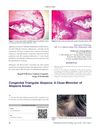
research Congenital triangular alopecia: A close mimicker of alopecia areata
CTA is often mistaken for AA but doesn't respond to steroids and may require hair transplantation.

research Drugs targeting epithelial–mesenchymal transition molecules for treatment of lichen planopilaris
Drugs targeting EMT molecules show promise for treating lichen planopilaris.

research PLATELET RICH PLASMA THERAPY FOR SKIN REJUVENATION
PRP therapy helps improve skin texture and elasticity.
research CS12192 Reverses Alopecia Areata by Selectively Targeting JAK3/JAK1/TBK1.
CS12192 effectively treats alopecia areata with better safety than current options.
research Peptidylarginine Deiminase Isoforms Are Differentially Expressed in the Anagen Hair Follicles and Other Human Skin Appendages
PAD enzymes play a key role in hair growth and structure.
research Multifunctional Dynamic Cerium-Polypeptide Hydrogel with Antibacterial Antioxidative Antiinflammatory for Multidrug-Resistant Bacterial Infected Wound Healing
The cerium-polypeptide hydrogel effectively heals drug-resistant bacterial wounds by fighting bacteria, reducing inflammation, and promoting tissue repair.
research 42004 Scalp, eyebrow, and eyelash hair regrowth with continued ritlecitinib treatment among patients with alopecia areata without target efficacy response at Week 24: post hoc analysis of the ALLEGRO phase 2b/3 study
Continued ritlecitinib treatment can lead to hair regrowth in some patients with alopecia areata who initially don't respond.
research Amelioration of trichotillomania with onabotulinumtoxinA for chronic migraine
OnabotulinumtoxinA treatment improved hair-pulling disorder and hair regrowth in a woman with chronic migraines.

research Upadacitinib: A New Weapon for the Treatment of Twenty-Nail Dystrophy
Upadacitinib may effectively treat twenty-nail dystrophy without causing pain.
research Successful treatment of severe atopic dermatitis and alopecia universalis with upadacitinib in a 29-year-old male patient
Upadacitinib effectively improved severe atopic dermatitis and alopecia universalis in a 29-year-old man.
research A Theoretical Model for the Treatment of Androgenetic Alopecia Using the STEAP3 Protein, and the Genetic Challenges of Treating AGA
STEAP3 protein might help treat hair loss, but more testing is needed.
research Ácido glutámico tópico como estrategia regenerativa en alopecia postquemadura: revisión de la evidencia y perspectivas clínicas
Topical glutamic acid may help hair regrow after burns, but more human testing is needed.

research Reconstructing protein conformations to activate follicular enzyme-nutrient reservoirs for reversing follicle aging
The microneedle patch helps regrow hair by restoring enzyme function in hair follicles.
research Use of γ-Glutamyl Transpeptidase Activity as a Marker of Hair Cycle and Anagen Induction in Mouse Hair Follicles
research Supplementary Material for: A SYSTEMATIC REVIEW AND BAYESIAN NETWORK META-ANALYSIS OF MEDICAL THERAPIES FOR LICHEN PLANOPILARIS.
Triple therapy with clobetasol, hydroxychloroquine, and N-acetylcysteine is recommended for better outcomes in treating lichen planopilaris.
research Using automated microneedling with platelet rich plasma for treating cicatricial alopecia, recalcitrant alopecia areata and traction alopecia, case report
Microneedling with platelet-rich plasma can improve different types of hair loss.