September 2019 in “The journal of investigative dermatology/Journal of investigative dermatology” Certain proteins are significantly increased in the skin of people with hidradenitis suppurativa.
 5 citations
,
December 2014 in “Medicine and Pharmacy Reports”
5 citations
,
December 2014 in “Medicine and Pharmacy Reports” Ciproterone acetate improves hair regrowth and acne in most female patients.
3 citations
,
June 2025 in “Journal of Cellular and Molecular Medicine” CuATSM speeds up wound healing and reduces scarring.
5 citations
,
October 2007 in “PubMed” Amino acids in conditioners improve hair strength, hydration, and color retention.
135 citations
,
December 2006 in “PLoS Medicine” Hyaluronate fragments can help reverse skin thinning by working with the CD44 receptor.
 41 citations
,
February 2001 in “Current pharmaceutical design”
41 citations
,
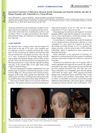
February 2001 in “Current pharmaceutical design” Current and future treatments for alopecia areata focus on immunosuppression, immunomodulation, and protecting hair follicles.
 24 citations
,
June 2016 in “Acta dermato-venereologica”
24 citations
,
June 2016 in “Acta dermato-venereologica” Tofacitinib helped a young woman's severe hair loss and arthritis but not her plaque psoriasis.
1 citations
,
September 2021 in “Dermatologic Therapy” Botulinum toxin injections effectively relieve pain from cutaneous leiomyomas.
 13 citations
,
January 2011 in “International Journal of Trichology”
13 citations
,
January 2011 in “International Journal of Trichology” CTA is often mistaken for AA but doesn't respond to steroids and may require hair transplantation.
1 citations
,
January 1984 1 citations
,
July 2021 in “Current nanomedicine” The new gel formulation for Acitretin improves topical delivery and reduces oral toxicity.
 February 2025 in “Advanced Composites and Hybrid Materials”
 Glutamic acid microneedle patches promote better hair growth than traditional treatments.
October 2021 in “Journal of Investigative Dermatology” Blocking IL-12 can help treat alopecia areata by preventing hair follicle immune issues.
 May 2024 in “Journal of molecular structure”
 A new compound, 3a, effectively fights prostate cancer better than finasteride.
 53 citations
,
January 2014 in “Journal of Cutaneous and Aesthetic Surgery”
53 citations
,
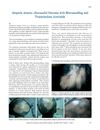
January 2014 in “Journal of Cutaneous and Aesthetic Surgery” Microneedling combined with triamcinolone can safely stimulate faster hair regrowth in people with Alopecia Areata.
 July 2024 in “Periodontology 2000”
 Autologous platelet concentrates show promise in esthetic treatments but need more standardized research.
 23 citations
,
September 2017 in “Journal of the American Academy of Dermatology”
23 citations
,
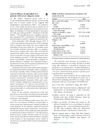
September 2017 in “Journal of the American Academy of Dermatology” Apremilast did not work for treating severe alopecia areata.
186 citations
,
December 2011 in “Molecules” Three specific 4-azasteroid-2-oximes showed strong enzyme inhibition, but less than finasteride.
 40 citations
,
October 2009 in “Journal of Biomedical Nanotechnology”
40 citations
,
October 2009 in “Journal of Biomedical Nanotechnology” Pyrene excimer nucleic acid probes are promising for detecting biomolecules accurately with potential for biological research and drug screening.
 54 citations
,
January 2023 in “Signal Transduction and Targeted Therapy”
54 citations
,
January 2023 in “Signal Transduction and Targeted Therapy” New therapies are being developed that target integrin pathways to treat various diseases.
 11 citations
,
January 2020 in “BMC pediatrics”
11 citations
,
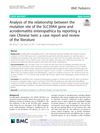
January 2020 in “BMC pediatrics” New mutations in the SLC39A4 gene found in twins help understand the genetic cause of acrodermatitis enteropathica.
November 2023 in “Journal of Investigative Dermatology” Adipose stem cell exosomes may effectively treat atopic dermatitis by reducing inflammation and improving skin health.
 14 citations
,
January 2015 in “Acta dermato-venereologica”
14 citations
,
January 2015 in “Acta dermato-venereologica” Acitretin significantly reduced inflammatory attacks in a woman with Naevus Comedonicus Syndrome but caused side effects.
54 citations
,
December 2004 in “PubMed” Cyclosporin A vesicles effectively regrow hair and reduce inflammation in alopecia areata.
 18 citations
,
January 2008 in “Journal of The American Academy of Dermatology”
18 citations
,
January 2008 in “Journal of The American Academy of Dermatology” Certain proteins and their receptors are more active during the growth phase of human hair and could be targeted to treat hair disorders.
![Verification of the Major Metabolic Oxidation Path for the Naphthoyl Group in Chemoattractant Receptor-Homologous Molecule Expressed on Th2 Cells (CRTh2) Antagonist 2-(2-(1-Naphthoyl)-8-fluoro-3,4-dihydro-1H-pyrido[4,3-b]indol-5(2H)-yl)acetic Acid (Setipiprant/ACT-129968)](/images/assets/d743d32f-3115-48ff-9697-2f2d56130701/small/14175.jpg) 6 citations
,
September 2015 in “Journal of Medicinal Chemistry”
6 citations
,
September 2015 in “Journal of Medicinal Chemistry” The document confirms the structures of major metabolites of the CRTh2 antagonist Setipiprant and identifies minor metabolites.
 1 citations
,
April 2006 in “International Journal of Oncology”
1 citations
,
April 2006 in “International Journal of Oncology” Lysocellin helps stop cell damage from etoposide and may prevent hair loss.
 March 2026 in “Clinical Cosmetic and Investigational Dermatology”
 Upadacitinib improved multiple immune-related conditions in one patient.
 3 citations
,
March 2016 in “Journal of Cosmetic Dermatology”
3 citations
,
March 2016 in “Journal of Cosmetic Dermatology” GPIGS peptide increases thick hair growth in balding Japanese men.
May 2026 in “Journal of Medicinal Chemistry” dAR-6–1 is a promising new treatment for hair loss that works better than minoxidil.