 June 2025 in “Clinical Cosmetic and Investigational Dermatology”
 Gray hair can potentially be managed or reversed with treatments that boost melanin production and address nutritional deficiencies.
 April 2023 in “International journal of dermatology and venereology”
 Dermoscopic features can help identify and differentiate types of pityriasis versicolor.
January 2018 in “Florence Research (University of Florence)” Melanoma and vitiligo patients have different gut fungi and bacteria compared to healthy people.
Integrating ABI screening in clinics can improve patient care for those at risk of peripheral artery disease.
 14 citations
,
August 2009 in “Cancer epidemiology”
14 citations
,
August 2009 in “Cancer epidemiology” AHCC reduces hair loss and liver injury caused by chemotherapy in rodents.
 1 citations
,
January 1970
1 citations
,
January 1970 Precise objectives can improve student achievement in health education.
 May 2014 in “Hair transplant forum international”
 The ISHRS received high-level approval for its educational programs.
2 citations
,
July 2025 in “Scientific Reports” Acinetobacter strain A1-4-2 can safely clean water pollutants.
 April 2018 in “Journal of Investigative Dermatology”
 High amphiregulin in the skin is a bad sign for acute graft-versus-host disease.
 April 2019 in “International research journal of pharmacy”
 Adiantum capillus extract reduces pain and swelling in animals.
AnnoPharma effectively identifies substances causing adverse drug reactions in medical abstracts.

A new AIRE gene mutation causes rare autoimmune symptoms in a Lebanese boy.
July 2004 in “Journal of the American Academy of Dermatology” 
ACA from Alpinia galanga may prevent testosterone-related hair loss.
September 2023 in “Journal of the American Academy of Dermatology” Early diagnosis and treatment are crucial for skin emergencies and drug reactions.
October 2025 in “OPAL (Open@LaTrobe) (La Trobe University)” Early genetic testing and zinc therapy are crucial for managing acrodermatitis enteropathica in infants.
 July 2018 in “Hair transplant forum international”
 The document's content couldn't be processed.
1 citations
,
November 2025 in “International Journal of Dermatology” The AAcQLI is a promising tool for assessing quality of life in children with alopecia areata.
 November 1998 in “Hair transplant forum international”
 The document's conclusion cannot be summarized because the content is not understandable.
1 citations
,
April 2025 in “Skin Health and Disease” Abrocitinib is being evaluated for safety and effectiveness in treating moderate to severe atopic dermatitis.

Early recognition and zinc treatment can effectively improve acrodermatitis symptoms.
 71 citations
,
November 2013 in “Clinics in Dermatology”
71 citations
,
November 2013 in “Clinics in Dermatology” Acne is a chronic disease linked to various systemic conditions and has significant psychological and social effects.

An infant with a zinc deficiency skin disorder improved with zinc treatment.
 5 citations
,
April 2013 in “Nasza Dermatologia Online”
5 citations
,
April 2013 in “Nasza Dermatologia Online” Oral zinc therapy is effective for treating acrodermatitis enteropathica.
October 2025 in “OPAL (Open@LaTrobe) (La Trobe University)” Early genetic testing and zinc therapy are crucial for managing acrodermatitis enteropathica effectively.
 3 citations
,
March 2010 in “Dermatologica Sinica”
3 citations
,
March 2010 in “Dermatologica Sinica” A Taiwanese patient had hair loss and skin bumps without the usual gene mutation, suggesting other genetic factors might be involved.
 July 2016 in “Reumatología Clínica (English Edition)”
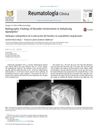
 The patient with Ankylosing Spondylitis had shoulder joint damage and bone changes.
 September 2019 in “Journal of Investigative Dermatology”
 Abrocitinib at 100 mg and 200 mg daily may significantly improve moderate-to-severe atopic dermatitis in patients 12 years and older.
99 citations
,
May 2013 in “Familial cancer” People with Birt-Hogg-Dubé syndrome often have lung problems and delayed diagnosis, and better recognition of CT scan signs could improve diagnosis and management.