 28 citations
,
September 2008 in “Current Pharmaceutical Design”
28 citations
,
September 2008 in “Current Pharmaceutical Design” Allergic reactions to blood thinners are rare but can be serious, requiring careful management and alternative treatments.
164 citations
,
November 1989 in “Clinical and Experimental Dermatology” Juvenile alopecia areata is more severe and has a worse prognosis than maturity-onset alopecia areata.
 April 2016 in “Journal of The American Academy of Dermatology”
 Both atopy and eosinophilia are linked to more severe hair loss in people with alopecia areata.
8 citations
,
January 2019 in “Turkish journal of medical sciences” Ischemic modified albumin could be a new indicator of oxidative stress in people with alopecia areata.
 6 citations
,
November 2022 in “Journal of autoimmunity”
6 citations
,
November 2022 in “Journal of autoimmunity” JAK inhibitors like tofacitinib may effectively treat Alopecia Areata.
 15 citations
,
May 2016 in “Archives of Dermatological Research”
15 citations
,
May 2016 in “Archives of Dermatological Research” ULBP3 could be a marker for diagnosing alopecia areata incognita and may be linked to its cause and development.
40 citations
,
October 2012 in “Dermatologic clinics” More research is needed to understand the genetic causes of Alopecia areata to develop better treatments.
7 citations
,
July 2024 in “Dermatology Practical & Conceptual” SII is a useful and affordable tool to assess and monitor alopecia areata.
161 citations
,
March 1992 in “International Journal of Dermatology” Alopecia areata often starts before age 20, is more common in women, and may have a genetic link with other autoimmune diseases.
5 citations
,
July 2024 in “Pediatric Dermatology” Dupilumab effectively reduces alopecia areata symptoms in children with atopic dermatitis.
69 citations
,
July 2002 in “Clinical and Experimental Dermatology” Alopecia areata is influenced by genetics and immune system factors, and better understanding could improve treatments.
 January 2024 in “Wiadomości Lekarskie”
 Alzheimer's may be treated by targeting gut bacteria and inflammation.
51 citations
,
July 2003 in “Annals of the Rheumatic Diseases” Co-trimoxazole may help treat autoimmune diseases.
143 citations
,
January 2007 in “The American Journal of Human Genetics” Certain genes on chromosomes 6, 10, 16, and 18 may increase the risk of alopecia areata.
 13 citations
,
October 2002 in “Journal of Biochemical and Biophysical Methods”
13 citations
,
October 2002 in “Journal of Biochemical and Biophysical Methods” Men with male-pattern baldness have higher levels of certain testosterone metabolites and may have more active androgen metabolism.
 January 2023 in “Journal of Cutaneous Pathology”
 The study found certain scalp biopsy features can help tell apart alopecia areata from pattern hair loss even when typical immune cells are not seen.
 1 citations
,
September 2022
1 citations
,
September 2022 Distinguishing drug-induced lupus from systemic lupus is challenging and requires careful monitoring.
 October 2023 in “Frontiers in Medicine”
 Dupilumab helped a 4-year-old grow hair back after another treatment failed.
 February 2025 in “Dermatology and Therapy”
 Alopecia areata incognita causes sudden hair loss but usually improves with topical steroids.
 November 2024 in “SKIN The Journal of Cutaneous Medicine”
 Ritlecitinib provides new treatment options for diverse alopecia areata patients.
12 citations
,
May 2016 in “British Journal of Dermatology” A 6-year-old boy's skin condition improved after stopping a specific treatment and starting new medications.
May 2023 in “The Journal of Immunology” BST2 is a key marker for hair loss disease alopecia areata.
19 citations
,
January 2021 in “Journal of the American Academy of Dermatology” Dupilumab may help children with alopecia areata and atopic dermatitis regrow hair.
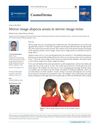
Mirror-image twins can have alopecia areata on opposite sides of their heads.
 June 2023 in “Romanian Medical Journal”
 The case shows how hard it is to tell apart Multiple Autoimmune Syndrome from other similar autoimmune conditions, but correct diagnosis is key for treatment to work.
November 2024 in “SKIN The Journal of Cutaneous Medicine” Baricitinib slightly increased cholesterol levels in alopecia areata patients, but these changes were manageable.
November 2025 in “The Journal of Dermatology” Nemolizumab improved both severe atopic dermatitis and alopecia areata in one patient.
July 2025 in “Journal of Investigative Dermatology” Enhancing Tregs can protect against alopecia areata.
February 2026 in “Immunity Inflammation and Disease” Recognizing unusual skin, eye, or hair issues can help diagnose immune system disorders early, especially in children.
56 citations
,
June 2010 in “Clinical and experimental dermatology” Coudability hairs are useful markers for alopecia areata activity.