January 2023 in “Figshare” Patients with advanced breast cancer prioritize quality of life, overall survival, and progression-free survival in treatment decisions.
 November 2003 in “Skinmed”
 Unable to summarize as the document content is not provided.
January 2025 in “Clinical Case Reports” Timely and aggressive treatment is crucial for improving outcomes in severe complications of adult-onset Still's disease.
 2 citations
,
January 2014 in “The Korean journal of medicine”
2 citations
,
January 2014 in “The Korean journal of medicine” The 2012 SLICC criteria provide an updated method for classifying Systemic Lupus Erythematosus.
April 2026 in “Clinical Case Reports” A strict gluten-free diet can improve liver issues in celiac disease.
5 citations
,
January 2002 in “European journal of pediatrics” "D-CHRAMPS syndrome" is a newly identified condition with multiple severe symptoms.
 April 2014 in “Medical Clinics of North America”
 Accurate diagnosis and tailored treatment are crucial for managing common primary care symptoms.
December 2007 in “Pediatrics in review” Some CAM therapies help with pediatric atopic dermatitis, but more research is needed.
6 citations
,
December 2015 in “Medicine” Cronkhite-Canada syndrome may be more treatable and less severe than previously thought.
May 2018 in “Dermatologic Surgery”  1 citations
,
November 2013 in “Pediatrics in Review”
1 citations
,
November 2013 in “Pediatrics in Review” Effective acne treatment and patient education are crucial to prevent long-term physical and psychological effects.
 April 2006 in “Journal of the Islamic Medical Association of North America”
 The document's content could not be processed.
 3 citations
,
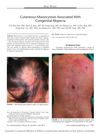
February 2012 in “The American Journal of Dermatopathology”
3 citations
,
February 2012 in “The American Journal of Dermatopathology” A 3-year-old girl with skin mast cell buildup and congenital baldness improved with treatment, suggesting a rare link between these conditions.
 46 citations
,
July 2008 in “Dermatologic Therapy”
46 citations
,
July 2008 in “Dermatologic Therapy” A scale was made to measure hair loss severity in African American women.
 87 citations
,
March 2000 in “American Journal of Clinical Dermatology”
87 citations
,
March 2000 in “American Journal of Clinical Dermatology” Alpha-hydroxy acids, like glycolic acid, safely improve skin issues and work on all skin types.
3 citations
,
October 2024 in “International Journal of Molecular Sciences” Acetylsalicylic acid affects platelet-rich plasma activation, requiring personalized approaches for effective treatment.
7 citations
,
December 2011 in “InTech eBooks” Glucocorticoid and mineralocorticoid therapy effectively manage Congenital Adrenal Hyperplasia symptoms but have limitations.
Hair loss in African American women, caused by hair care, genetics, and environment, needs more research for better treatment.
 1 citations
,
December 2011 in “Journal of The American Academy of Dermatology”
1 citations
,
December 2011 in “Journal of The American Academy of Dermatology” The book concludes that treating acne scars requires a variety of methods and patience, with no single best way to classify or treat them.
 14 citations
,
August 2009 in “Cancer epidemiology”
14 citations
,
August 2009 in “Cancer epidemiology” AHCC reduces hair loss and liver injury caused by chemotherapy in rodents.
 May 2025 in “The Journal of Rheumatology”
 Early recognition and a team approach are crucial for managing diffuse alveolar hemorrhage in antiphospholipid syndrome.
 January 2024 in “JAAD case reports”
 MSUD patients need careful monitoring of amino acids and zinc to prevent severe symptoms.
July 2024 in “Journal of Maxillofacial and Oral Surgery” September 2023 in “Journal of the American Academy of Dermatology”  July 2001 in “Annals of Internal Medicine”
 The document's conclusion cannot be provided because the content is not accessible.
 July 2011 in “Facial Plastic Surgery”
 The document provides a quiz for physicians to earn continuing medical education credits in facial plastic surgery.
 April 2024 in “International journal of women's health”
 Adult female acne is a complex condition that can worsen with menopause, requiring holistic treatment and tailored skincare at different life stages.
2 citations
,
October 2000 in “Journal of Investigative Dermatology” AUC and APL are distinct conditions needing careful clinical assessment.
 37 citations
,
August 2016 in “Clinical, Cosmetic and Investigational Dermatology”
37 citations
,
August 2016 in “Clinical, Cosmetic and Investigational Dermatology” The document concludes that better treatments for CCCA are needed and more research is required to understand its causes related to hairstyling and genetics.