29 citations
,
January 2016 in “Experimental Dermatology” Mechanical stress may cause lesions in Hidradenitis suppurativa.
 18 citations
,
October 2014 in “Experimental Dermatology”
18 citations
,
October 2014 in “Experimental Dermatology” Local skin glucocorticoid production is crucial for healthy skin, and its disruption can lead to skin diseases.
 19 citations
,
April 2019 in “Journal of the European Academy of Dermatology and Venereology”
19 citations
,
April 2019 in “Journal of the European Academy of Dermatology and Venereology” Acne lesions start with changes in hair follicles and increase in inflammation, suggesting a cycle that could affect treatment strategies.
198 citations
,
January 1998 in “Dermatology” The human sebocyte culture model has improved understanding of oily skin and acne, and how they can be treated.
3 citations
,
March 2022 in “Chinese Journal of Plastic and Reconstructive Surgery” Androgens may contribute to keloid development, and hormone-targeting treatments could help.
 February 2024 in “Australasian journal of dermatology”
 Inflammatory acne damages skin stem cells and reduces their growth, leading to atrophic acne scars.
Nanocarriers improve acne treatment by enhancing drug delivery and reducing side effects.
6 citations
,
January 1997 in “Pediatric dermatology” The case suggests a possible link between severe acne and certain bone deformities.
 1 citations
,
January 2010 in “Serbian Journal of Dermatology and Venereology”
1 citations
,
January 2010 in “Serbian Journal of Dermatology and Venereology” The document concludes that effective acne treatment requires a personalized combination of therapies and long-term commitment, with retinoids being important for maintenance.
 49 citations
,
August 2007 in “Dermatologic surgery”
49 citations
,
August 2007 in “Dermatologic surgery” New treatments for acne scars are safer and more effective because we understand the causes better.
 20 citations
,
January 2019 in “Journal of dermatological science”
20 citations
,
January 2019 in “Journal of dermatological science” Male hormones indirectly affect skin cell development by increasing growth factor levels from skin fibroblasts.
 57 citations
,
August 1995 in “British Journal of Dermatology”
57 citations
,
August 1995 in “British Journal of Dermatology” Acne severity is linked to higher levels of certain androgenic hormones, even when those levels are within the normal range.

research Acne
4 citations
,
January 2019 Acne is a common skin condition that can be influenced by diet, lifestyle, and hormones, and requires a treatment approach that includes psychological considerations.
 April 2018 in “The journal of investigative dermatology/Journal of investigative dermatology”
 Androgens increase growth factors in skin cells, which may lead to acne.
 8 citations
,
November 2020 in “Optics and Laser Technology”
8 citations
,
November 2020 in “Optics and Laser Technology” LED light therapy is effective for skin and hair treatments but requires careful use to minimize risks.
 June 2022 in “Indian Dermatology Online Journal”
 A man with total hair loss developed blackhead-like spots on his scalp, possibly because no hair was present to help drain oils.
 5 citations
,
February 2013 in “Expert Review of Dermatology”
5 citations
,
February 2013 in “Expert Review of Dermatology” New acne treatments include combination creams, advanced retinoids, and light therapies, focusing on safety and patient adherence.
 September 2018 in “International Journal of Advanced Community Medicine”
 The cream effectively treats acne and dermatitis without causing irritation.
 1 citations
,
May 2018 in “International Journal of Advanced Community Medicine”
1 citations
,
May 2018 in “International Journal of Advanced Community Medicine” The cream effectively treats acne without causing irritation.
 September 2021 in “International Journal of Biomedicine”
 Certain gene variations are linked to a higher risk of severe acne, suggesting a genetic influence on the condition.
 October 2025 in “Dermatology Practical & Conceptual”
 Early detection and treatment of acne can prevent scarring and improve quality of life.
466 citations
,
June 2009 in “Experimental dermatology” We now understand more about what causes acne and this could lead to better, more personalized treatments.
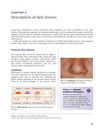
The document explains different types of skin lesions and their characteristics, causes, and related conditions.
7 citations
,
March 2018 in “Experimental Dermatology” Acne lesions don't show increased keratinocyte growth compared to healthy hair follicles.
 118 citations
,
May 2015 in “European journal of pharmaceutics and biopharmaceutics”
118 citations
,
May 2015 in “European journal of pharmaceutics and biopharmaceutics” The hydrogel with a 1:3 ratio of hydroxyethyl cellulose to hyaluronic acid is effective for delivering drugs through the skin to treat acne.
 29 citations
,
March 2017 in “International Journal of Women's Dermatology”
29 citations
,
March 2017 in “International Journal of Women's Dermatology” Hormone therapies like birth control pills and spironolactone are safe and effective for treating women's adult acne.

research Acne
2 citations
,
May 2011 in “Harper's Textbook of Pediatric Dermatology” Acne is a common skin condition linked to diet, hormones, and genetics, and early treatment can prevent scarring.
 March 2026 in “International Journal of Homoeopathic Sciences”
 An integrative homeopathic approach may help manage acne, but more research is needed.
 January 2024 in “International Journal of Dermatology Venereology and Leprosy Sciences”
 Patients with acne vulgaris have lower serum irisin levels.
 November 2023 in “Berkala Ilmu Kesehatan Kulit dan Kelamin/Berkala ilmu kesehatan kulit dan kelamin (Periodical of dermatology and venerology)”
 A dermoscope helps accurately tell apart Pityrosporum folliculitis and Acne vulgaris.