 January 2011 in “Yearbook of Dermatology and Dermatologic Surgery”
 The adapalene-benzoyl peroxide gel works better and faster for acne treatment than using either ingredient alone, with manageable side effects.
 37 citations
,
January 2011 in “Annals of Dermatology”
37 citations
,
January 2011 in “Annals of Dermatology” ALA-photodynamic therapy helps reduce acne by causing acne cell death and lowering certain skin protein levels.

New acne treatments like clascoterone and minocycline foam are effective, and using antibiotics carefully is important to avoid resistance.
24 citations
,
March 2001 in “PubMed” In Freixo de Espada à Cinta, common skin conditions include melanocytic nevi, hemangiomas, and acne, with variations based on age and sex.
 January 2023 in “Revista da Associação Médica Brasileira”
 Brazilian patients with inflammatory bowel disease have a high rate of skin problems compared to healthy people.
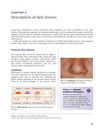
The document explains different types of skin lesions and their characteristics, causes, and related conditions.
 September 1988 in “Inpharma (Balgowlah)”
 Retinoids are effective for acne but can cause serious side effects.
 May 2024 in “Aktualʹnì problemi sučasnoï medicini: Vìsnik Ukraïnsʹkoï medičnoï stomatologìčnoï akademì”
 Spironolactone and clascoterone are promising acne treatments with fewer side effects.
 April 2019 in “Journal of the Endocrine Society”
 The study found that imaging might miss small ovarian tumors causing high testosterone, and suggested using certain testosterone levels and treatment responses to identify these tumors.
 101 citations
,
October 2016 in “Nanomedicine: Nanotechnology, Biology and Medicine”
101 citations
,
October 2016 in “Nanomedicine: Nanotechnology, Biology and Medicine” Fullerenes show potential in skin care but need more safety research.
 18 citations
,
October 2014 in “Experimental Dermatology”
18 citations
,
October 2014 in “Experimental Dermatology” Local skin glucocorticoid production is crucial for healthy skin, and its disruption can lead to skin diseases.
14 citations
,
January 2014 in “Annals of Dermatology” Some cases of folliculotropic mycosis fungoides may progress slowly and not need aggressive treatment.
 7 citations
,
April 2021 in “Dermatology and Therapy”
7 citations
,
April 2021 in “Dermatology and Therapy” H-1 antihistamines may help with various skin conditions, but more research is needed to confirm their effectiveness.

Bee venom can improve various skin conditions, including varicose veins and psoriasis, and has anti-aging benefits.
April 2025 in “La Prensa Medica” Oral contraceptives help treat acne and hair issues by balancing hormones but need careful use due to possible side effects.
 January 2016 in “Dermatology Review”
 Endocrine disorders can cause various skin and hair issues.
173 citations
,
July 2012 in “British Journal of Dermatology” Dabrafenib can cause skin growths and sometimes low-grade skin cancer.
 66 citations
,
March 2009 in “British journal of surgery”
66 citations
,
March 2009 in “British journal of surgery” Hidradenitis suppurativa treatment should be tailored to the individual, with quitting smoking being important.
48 citations
,
August 1998 in “Journal of the American Academy of Dermatology” Retinoids help manage skin conditions in black individuals.
 45 citations
,
January 1998 in “Dermatology”
45 citations
,
January 1998 in “Dermatology” Some skin conditions look like acne but are caused by drugs, and they usually get better when the drug is stopped.
17 citations
,
August 2018 in “Clinics in Dermatology” Skin and hair-picking disorders are common and need both skin and mental health treatments.
16 citations
,
August 2017 in “Lupus” Chronic cutaneous lupus erythematosus should be considered when acne treatments don't work.
September 2025 in “Cuadernos de Educación y Desarrollo” Laser and light technologies are used in dermatology for skin treatments and improving outcomes.
April 2024 in “Russian Journal of Preventive Medicine” Skin changes can signal diabetes and metabolic issues, aiding early diagnosis and treatment.
 January 2018 in “Elsevier eBooks”
 The document concludes that proper diagnosis and treatment of follicular disorders are crucial, with specific treatments for conditions like acne, drug-induced eruptions, and rosacea.
 49 citations
,
August 2007 in “Dermatologic surgery”
49 citations
,
August 2007 in “Dermatologic surgery” New treatments for acne scars are safer and more effective because we understand the causes better.
 8 citations
,
June 2021 in “Journal of Cosmetic Dermatology”
8 citations
,
June 2021 in “Journal of Cosmetic Dermatology” The review found that COVID-19 can cause skin problems, including rashes and issues from wearing PPE, and suggests more research and protective measures for healthcare workers.
 2 citations
,
September 2021
2 citations
,
September 2021 The COVID-19 pandemic increased the use of teledermatology to treat skin conditions in low-income areas, despite challenges like poor photo quality.
 January 2024 in “RSC pharmaceutics”
 Removing the outer skin layer increases drug absorption and offers non-invasive treatment options, with some methods allowing for quick skin recovery.
 September 2023 in “International Journal of Community Medicine and Public Health”
 Different sebaceous gland diseases can be treated with medications, hormone therapy, or surgical methods.