 21 citations
,
June 2004 in “International Journal of Dermatology”
21 citations
,
June 2004 in “International Journal of Dermatology” Most skin diseases in Hajjah, Yemen, were dermatitis, infections, and acne, influenced by local socioeconomic and environmental factors.
 9 citations
,
August 2014 in “Archivos Argentinos de Pediatria”
9 citations
,
August 2014 in “Archivos Argentinos de Pediatria” Viral warts are common in children, so prevention against HPV is important.
6 citations
,
January 1997 in “Pediatric dermatology” The case suggests a possible link between severe acne and certain bone deformities.
3 citations
,
November 2024 in “Pediatric Dermatology” Selumetinib causes fewer and less severe skin issues in children than binimetinib.

Any medication can cause skin reactions, some due to allergies and others due to dosage or genetic factors.
 October 2018 in “Springer eBooks”
 The document concludes that various topical medications are effective for skin conditions but often cause skin irritation as a side effect.
7 citations
,
January 2008 in “Indian Journal of Dermatology” Pigmentary mosaicism causes skin color changes and can affect multiple body systems, but has no cure.
June 2025 in “British Journal of Dermatology” A rare skin condition in a boy is likely due to a specific genetic mutation pattern.
13 citations
,
June 2012 in “European journal of medical genetics” Identical twins had different symptoms because one had more cells with an extra chromosome fragment in different tissues.
26 citations
,
June 2004 in “Clinical Genetics” The keratin 5 mutation in a family with epidermolysis bullosa simplex was due to mosaicism, not a new mutation.
February 2022 in “Authorea (Authorea)” PAON shows skin patterns due to genetic mosaicism.
43 citations
,
September 2001 in “Annals of Neurology” Hair root analysis can effectively detect somatic mosaicism in double cortex syndrome.
 March 2025 in “American Journal of Medical Genetics Part A”
 A rare genetic variant linked to skin cysts was found in blood DNA, suggesting its role in cyst formation.
January 2005 in “Experimental Dermatology” Genetic factors play a major role in acne.
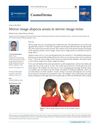
Mirror-image twins can have alopecia areata on opposite sides of their heads.
 August 2023 in “Dermatology Reports”
 Acne not improved by usual treatments may indicate a genetic disorder.
32 citations
,
May 1986 in “Archives of Dermatology” The condition is likely inherited in an autosomal-dominant pattern.
August 2025 in “Biomedicines” Half-siblings with a rare skin condition improved with treatment for a fungal infection, but hair loss remained.
69 citations
,
May 2002 in “Journal of Investigative Dermatology” Congenital atrichia with papular lesions is often misdiagnosed, and new diagnostic criteria can improve accuracy.

The patient with total hair loss did not regrow hair despite treatment, indicating a poor outlook for this type of hair loss.
 3 citations
,
July 2013 in “Journal of Cutaneous Pathology”
3 citations
,
July 2013 in “Journal of Cutaneous Pathology” A woman's hair loss, resembling an autoimmune condition, improved after treatment, but requires ongoing checks due to potential serious associations.
29 citations
,
June 2016 in “Experimental Dermatology” MCHR2 gene duplications may be linked to alopecia areata.
 43 citations
,
November 2018 in “Nature Communications”
43 citations
,
November 2018 in “Nature Communications” Genetic variations affecting skin structure play a key role in severe acne.
 9 citations
,
July 2010 in “British Journal of Dermatology”
9 citations
,
July 2010 in “British Journal of Dermatology” The document suggests a rare skin condition might be caused by a genetic phenomenon.
20 citations
,
January 2002 in “Laboratory Animals” Mutations in the hairless gene cause hair loss and skin cysts in rhesus macaques.
7 citations
,
November 2021 in “JAAD Case Reports” Mogamulizumab can cause hair loss and skin rashes.
 January 2023 in “Al-Azhar International Medical Journal /Al-Azhar International Medical Journal”
 Acne patients have higher mTOR gene expression.
October 2019 in “European Journal of Dermatology” The boy's hair and skin color differences are due to a pigmentation disorder.
July 2024 in “Clinical Case Reports” Recognizing rare hair loss patterns in young females can improve understanding and treatment.
 October 2025 in “Pediatric Dermatology”
 A 16-year-old boy's facial condition improved with doxycycline, suggesting an immune response to hair follicle damage.