13 citations
,
November 1985 in “International Journal of Dermatology” The study found clear differences in lesion distribution and microscopic features among trichostasis spinulosa, keratosis pilaris, and eruptive vellus hair cysts.
 2 citations
,
April 2019 in “Dermatologic Therapy”
2 citations
,
April 2019 in “Dermatologic Therapy” A patient with alopecia had hair regrowth with tofacitinib but developed a skin reaction, choosing to continue the treatment despite the side effect.
 1 citations
,
May 2015 in “Journal of The American Academy of Dermatology”
1 citations
,
May 2015 in “Journal of The American Academy of Dermatology” Oral clindamycin and rifampicin are the most effective treatments for Folliculitis decalvans.
 10 citations
,
November 2017 in “Advances in Dermatology and Allergology”
10 citations
,
November 2017 in “Advances in Dermatology and Allergology” Scalp involvement in pemphigus means the disease is more severe and harder to treat.
September 2016 in “European Journal of Pediatric Dermatology/PD. European journal of pediatric dermatology” Ulerythema ophryogenes causes hair thinning and inflammation, with limited treatment options.
9 citations
,
June 2017 in “The journal of allergy and clinical immunology/Journal of allergy and clinical immunology/The journal of allergy and clinical immunology” Local inflammation worsens autoimmune skin conditions by increasing antibody buildup.
9 citations
,
September 2018 in “JAAD Case Reports” Lichen planopilaris can be triggered by prolonged scalp traction and can be treated with corticosteroids.
 August 2025 in “Scientific Reports”
 C4BPA protein may link acne severity and insulin resistance.
1 citations
,
June 1999 in “American Journal of Contact Dermatitis” Tazarotene gel is more effective for acne than tretinoin and works as well as adapalene.
 3 citations
,
January 2019 in “Cureus”
3 citations
,
January 2019 in “Cureus” Hormonal imbalances in Polycystic Ovarian Syndrome (PCOS) might trigger a rare skin disorder called Confluent and Reticulated Papillomatosis (CRP), so dermatologists should consider checking for PCOS in CRP patients.
 88 citations
,
January 2011 in “Annals of Dermatology”
88 citations
,
January 2011 in “Annals of Dermatology” The document concludes that specific itchy skin diseases during pregnancy have varying fetal risks and treatments, including corticosteroids and other medications.
 18 citations
,
August 2011 in “Clinical Drug Investigation”
18 citations
,
August 2011 in “Clinical Drug Investigation” Low-dose isotretinoin combined with pulsed azithromycin cleared acne in most patients, with mild side effects.
 1 citations
,
June 2023 in “Cureus”
1 citations
,
June 2023 in “Cureus” Many women with seborrheic dermatitis also have acne and diabetes, and should be checked for these conditions to help improve their quality of life.
 9 citations
,
January 2017 in “Dermatology Online Journal”
9 citations
,
January 2017 in “Dermatology Online Journal” Some hair loss drugs can cause a unique type of hair loss that resembles both psoriasis and alopecia.
 January 2023 in “Bio web of conferences/BIO web of conferences”
 The document concludes that specific dermoscopic features can help diagnose different facial red skin conditions.
2 citations
,
September 2021 in “JAAD case reports” A man with a weakened immune system was diagnosed with a rare skin condition called trichodysplasia spinulosa using skin examination techniques.
 March 2021 in “Annals of Translational Medicine”
 Two patients with lupus had an unusual type of hair loss not typical for the disease.
4 citations
,
April 1955 in “Archives of Dermatology” Hydrocortisone ointment effectively improved eyebrow skin and hair in a 10-year-old.
 December 2024 in “Indian Journal of Dermatology”
 Dermoscopy is useful for diagnosing Atrichia with Papular Lesions in children without needing a biopsy.
 December 2025 in “Clinical Cosmetic and Investigational Dermatology”
 A rare lupus case on the chin was successfully treated with steroids and immunomodulators after accurate diagnosis using advanced imaging techniques.
May 2024 in “Lithuanian University of Health Sciences” Many patients with hidradenitis suppurativa also have severe acne and pilonidal cysts, often linked to other health problems.
 November 2025 in “Pacific Journal of Medical Research”
 Skin issues are common in lupus patients, highlighting the need for thorough skin checks.
April 2023 in “Dermatologica Sinica” The Pemphigus Disease Area Index and Autoimmune Bullous Skin Disorder Intensity Score are the best tools for assessing pemphigus severity.

Early diagnosis and lifelong zinc supplementation are crucial for treating acrodermatitis enteropathica effectively.
 16 citations
,
January 2005 in “Pediatric Dermatology”
16 citations
,
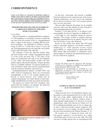
January 2005 in “Pediatric Dermatology” A 10-year-old girl with Fox Fordyce disease improved with treatment, suggesting the disease can occur before puberty and might be underdiagnosed in young girls.
 September 1995 in “American Journal of Contact Dermatitis”
 Antiyeast treatments work better for seborrheic dermatitis than steroids, and other findings include increased skin bacteria under plastic wrap, a nasal cell defect in Staphylococcus aureus carriers, quick resolution of certain skin reactions, high rubber latex allergy in spina bifida patients, and glyceryl monopentadecanoate's effectiveness for male hair loss.
 43 citations
,
November 2018 in “Nature Communications”
43 citations
,
November 2018 in “Nature Communications” Genetic variations affecting skin structure play a key role in severe acne.
36 citations
,
January 2012 in “Dermatology” Stopping gefitinib improved scalp condition in a woman with lung cancer.
 April 2016 in “JAMA Dermatology”
 Acne is not a key diagnostic feature for PCOS, postadolescent men with acne may have insulin resistance, melanoma patients often have few moles, tumor size in CSCC indicates higher risk of serious outcomes, and hidradenitis suppurativa is linked to higher risk of heart problems and death.
 13 citations
,
January 2018 in “BioMed Research International”
13 citations
,
January 2018 in “BioMed Research International” Scalp involvement is common in pemphigus and can lead to hair loss, with the severity of scalp lesions linked to overall disease severity.