December 2017 in “Journal of the Hellenic Veterinary Medical Society” Canine acral lick dermatitis is a complex skin issue in dogs caused by excessive licking, often needing various treatments.
 8 citations
,
January 2015 in “International journal of trichology”
8 citations
,
January 2015 in “International journal of trichology” A woman's total hair loss was linked to a Borrelia infection and was reversed with appropriate treatment.
March 2026 in “Journal of the American Academy of Dermatology” The treatment significantly improved lymphocytic cicatricial alopecia symptoms in most patients.
Obstructive sleep apnea can be hereditary and linked to a genetic mutation in the COL1A2 gene.
 1 citations
,
May 2001 in “Pharmacology & Toxicology”
1 citations
,
May 2001 in “Pharmacology & Toxicology” Cyproterone acetate may cause liver cancer at high doses, but is considered safe at recommended doses for approved uses.
 January 2015 in “Journal of evolution of medical and dental sciences”
 Topical tacrolimus is effective and safe for treating alopecia areata.
2 citations
,
August 2022 in “World Journal of Clinical Cases” Albumin and prednisone improved symptoms in a woman with Cronkhite-Canada syndrome, revealing potential genetic causes.
February 2006 in “Journal of the American Academy of Dermatology”  1 citations
,
November 2015 in “Indian Journal of Clinical Biochemistry”
1 citations
,
November 2015 in “Indian Journal of Clinical Biochemistry” The conference presented findings on how vitamin D levels, genetic factors, and lifestyle choices like smoking and yoga affect various health conditions and diseases.
 11 citations
,
January 2022 in “Journal der Deutschen Dermatologischen Gesellschaft”
11 citations
,
January 2022 in “Journal der Deutschen Dermatologischen Gesellschaft” Alopecia areata is a chronic condition causing hair loss, with new treatments targeting the immune system showing promise.
May 2025 in “OPAL (Open@LaTrobe) (La Trobe University)” Targeting specific metabolic and ionic pathways may improve alopecia areata treatment.
 May 2025 in “The Journal of Rheumatology”
 A woman with skin and joint issues progressed from one type of lupus to another, highlighting the need to recognize complex conditions.
 July 2025 in “Journal of Cosmetic Dermatology”
 Alternative treatments are needed when Tofacitinib alone fails for alopecia areata.
December 2024 in “JDDG Journal der Deutschen Dermatologischen Gesellschaft” Deucravacitinib helped a man regrow hair significantly.
January 2025 in “Clinical Case Reports” Timely and aggressive treatment is crucial for improving outcomes in severe complications of adult-onset Still's disease.
 16 citations
,
July 2017 in “Rheumatology and Therapy”
16 citations
,
July 2017 in “Rheumatology and Therapy” Tofacitinib, a medication for arthritis, showed potential for treating severe hair loss in a small Brazilian case series, but more research is needed.
 35 citations
,
August 2010 in “The American journal of pathology”
35 citations
,
August 2010 in “The American journal of pathology” Researchers created a new mouse model for studying Citrullinemia Type I and similar conditions, showing symptoms and treatment responses like those in humans.
Introducing the OTC gene improved symptoms in mice with OTC deficiency.
 51 citations
,
November 2011 in “British Journal of Dermatology”
51 citations
,
November 2011 in “British Journal of Dermatology” A gene called HDAC9 might be a new factor in male-pattern baldness.
 3 citations
,
February 2020 in “The journal of gene medicine”
3 citations
,
February 2020 in “The journal of gene medicine” A mutation in the HR gene causes a rare form of irreversible hair loss in two Kashmiri families. Whole exome sequencing is effective for finding such mutations.
Alopecia Areata has no cure, treatments are limited, and the condition often recurs, but new therapies like JAK inhibitors show promise.
 12 citations
,
August 2020 in “JEADV. Journal of the European Academy of Dermatology and Venereology/Journal of the European Academy of Dermatology and Venereology”
12 citations
,
August 2020 in “JEADV. Journal of the European Academy of Dermatology and Venereology/Journal of the European Academy of Dermatology and Venereology” Azathioprine is the most continued treatment for chronic alopecia areata over a year, often with added low-dose prednisolone.
2 citations
,
September 2020 in “bioRxiv (Cold Spring Harbor Laboratory)” The laser system helps study brain cell functions by precisely removing specific cells and observing changes.
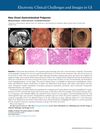 August 2013 in “Gastroenterology”
 A 60-year-old man with Cronkhite-Canada syndrome improved with treatment, but the condition has a high mortality rate and a risk of colorectal cancer.
6 citations
,
December 2015 in “Medicine” Cronkhite-Canada syndrome may be more treatable and less severe than previously thought.
 May 2026 in “Journal of Asia Pacific Aesthetic Sciences”
 Low-dose intralesional corticosteroid treatment led to rapid hair regrowth in localized alopecia areata.
31 citations
,
April 2016 in “Journal of the American Academy of Dermatology” Oral dexamethasone may help regrow hair in adults with alopecia totalis and universalis.
20 citations
,
January 2002 in “Laboratory Animals” Mutations in the hairless gene cause hair loss and skin cysts in rhesus macaques.
 May 2026 in “Zenodo (CERN European Organization for Nuclear Research)”
 The EDAR V370A allele in East Asians likely evolved due to reliance on aquatic resources providing essential nutrients.