May 2023 in “Karnataka Pediatric Journal” Early diagnosis and aggressive treatment are crucial for managing SLE-related pancreatitis in children.
December 2025 in “Journal of Paediatrics and Child Health” Tick-bite alopecia can be identified by a bite-centered mark and treated with topical steroids, while SENLAT needs doxycycline.
73 citations
,
January 2004 in “Journal of the American Academy of Dermatology” Immunocompromised patients can develop skin and hair issues due to a virus.
October 2012 in “Indian Journal of Dermatology, Venereology and Leprology” 16 citations
,
August 2017 in “Lupus” Chronic cutaneous lupus erythematosus should be considered when acne treatments don't work.
 1 citations
,
June 2015 in “Australasian Journal of Dermatology”
1 citations
,
June 2015 in “Australasian Journal of Dermatology” A patient with Cronkhite-Canada syndrome improved with nutritional support and steroids, but early diagnosis is key due to high mortality.

A girl with Crohn's disease developed hair loss due to her increased medication, a rare side effect seen in some children.
 April 2023 in “Jurnal Sain Veteriner”
 A young Persian cat had a skin infection and low platelets, treated with various medications.

Traumatic anserine folliculosis is a harmless skin condition in young males that needs correct diagnosis to avoid unnecessary treatments.
May 2025 in “The Journal of Dermatology” 1 citations
,
September 2022 in “European Journal of Dermatology” Gene sequencing is essential for diagnosing junctional epidermolysis bullosa.
 5 citations
,
December 1964 in “Australasian journal of dermatology”
5 citations
,
December 1964 in “Australasian journal of dermatology” Congenital atrichia is a rare condition where children are born without hair, and treatment is often ineffective.
January 2002 in “대한피부과학회지” Most patients with dermatomyositis had skin rash and were treated with prednisolone and hydroxychloroquine.
6 citations
,
April 2012 in “PubMed” Enteral supplements can improve symptoms of Cronkhite-Canada syndrome.
 1 citations
,
September 2023 in “Rheumatology advances in practice”
1 citations
,
September 2023 in “Rheumatology advances in practice” A woman's rare scalp condition worsened after using a specific arthritis medication, suggesting such medications can sometimes trigger or aggravate psoriasis.
 1 citations
,
December 2022 in “Pediatric dermatology”
1 citations
,
December 2022 in “Pediatric dermatology” A boy developed a rare skin condition after recovering from a severe skin reaction, and it improved with lotion treatment.
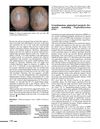
September 2011 in “Archives of dermatology” The child was diagnosed with cutaneous leishmaniasis.
 8 citations
,
July 2018 in “European Journal of Dermatology”
8 citations
,
July 2018 in “European Journal of Dermatology” A medication may help with hair growth in psoriasis, and a skin condition might be linked to a specific bacteria.
 December 2025 in “Cureus”
 Avoiding friction and using topical treatments can significantly improve rough skin caused by repeated rubbing.
5 citations
,
May 2024 in “Journal of Allergy and Clinical Immunology Global” Upadacitinib effectively improved severe atopic dermatitis and alopecia universalis in a 29-year-old man.
 12 citations
,
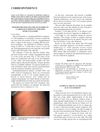
January 2005 in “Pediatric Dermatology”
12 citations
,
January 2005 in “Pediatric Dermatology” Fox Fordyce disease might be more common in prepubertal girls than thought and can be managed with treatment.
 27 citations
,
March 2018 in “Allergy and asthma proceedings”
27 citations
,
March 2018 in “Allergy and asthma proceedings” People with alopecia areata often have higher rates of allergies and autoimmune diseases.
February 2010 in “Emergency Medicine News” The woman has Discoid Lupus Erythematosus and needs specialist care.
July 2012 in “American Journal of Clinical Pathology” Hair examination is crucial for diagnosing Netherton syndrome in patients with certain skin symptoms.
12 citations
,
June 2006 in “Pediatric blood & cancer” A 16-year-old boy had pernicious anemia, autoimmune hemolytic anemia, and later developed alopecia areata.
 August 2018 in “Journal of The American Academy of Dermatology”
 A 5-year-old girl with a rare skin disorder was effectively treated with skin creams instead of oral medication.
2 citations
,
January 2025 in “Allergy” Having asthma, atopic dermatitis, or Hashimoto's thyroiditis increases the risk of severe and long-lasting alopecia areata.
 January 2026 in “Acta Dermatovenerologica Alpina Pannonica et Adriatica”
 Accurate diagnosis is crucial for effectively treating severe alopecia and related symptoms.
April 2026 in “Asian journal of pediatric dermatology.” Early diagnosis and targeted therapy improve outcomes for children with skin conditions.
 May 2025 in “The Journal of Rheumatology”
 Mixed Connective Tissue Disease can develop from overlapping symptoms of several autoimmune diseases, making diagnosis complex.