January 2025 in “Dermatology Online Journal” The man's hair loss and skin papules were diagnosed as atrichia with papular lesions, not alopecia areata universalis.
1 citations
,
January 2024 in “Clinical Cosmetic and Investigational Dermatology” Recognizing and treating oral lichen sclerosus is important, but treatment guidelines are lacking.
1 citations
,
February 2024 in “Australasian Journal of Dermatology” Tick bites can cause temporary hair loss similar to alopecia areata in some people.
 1 citations
,
July 2020 in “Journal of cosmetic dermatology”
1 citations
,
July 2020 in “Journal of cosmetic dermatology” A woman on immunosuppressants developed two rare scalp conditions, which improved with specific treatments.
December 2022 in “Journal of Paediatrics and Child Health” The girl's itchy armpit and pubic lesions didn't improve with antifungal cream.
 5 citations
,
April 2013 in “Nasza Dermatologia Online”
5 citations
,
April 2013 in “Nasza Dermatologia Online” Oral zinc therapy is effective for treating acrodermatitis enteropathica.
 November 2018 in “Skin appendage disorders”
 The document concludes that a woman has both Frontal Fibrosing Alopecia and Lichen Simplex Chronicus, a previously unreported combination of conditions.
 December 2025 in “Clinical Cosmetic and Investigational Dermatology”
 A rare lupus case on the chin was successfully treated with steroids and immunomodulators after accurate diagnosis using advanced imaging techniques.
October 2025 in “OPAL (Open@LaTrobe) (La Trobe University)” Early genetic testing and zinc therapy are crucial for managing acrodermatitis enteropathica effectively.
 4 citations
,
January 2010 in “Journal of Veterinary Medical Science”
4 citations
,
January 2010 in “Journal of Veterinary Medical Science” The analyses helped identify different skin diseases in the two dogs.
July 2023 in “Cosmoderma”  5 citations
,
April 2016 in “The American Journal of Dermatopathology”
5 citations
,
April 2016 in “The American Journal of Dermatopathology” A tick bite caused temporary hair loss in a man, which is a rare condition that usually gets better within 3 months.

An infant with a zinc deficiency skin disorder improved with zinc treatment.

Early diagnosis and lifelong zinc supplementation are crucial for treating acrodermatitis enteropathica effectively.

This rare genetic disorder causes permanent hair loss and skin bumps from birth.
69 citations
,
May 2002 in “Journal of Investigative Dermatology” Congenital atrichia with papular lesions is often misdiagnosed, and new diagnostic criteria can improve accuracy.
 December 2025 in “Cureus”
 Zinc supplements effectively treat inherited zinc deficiency in infants.
 1 citations
,
January 2020 in “Revista Brasileira de Ciência Veterinária”
1 citations
,
January 2020 in “Revista Brasileira de Ciência Veterinária” A cat in Brazil had severe skin issues worsened by improper treatment.
January 2016 in “Indian journal of drugs in dermatology” Acitretin effectively treats severe hypertrophic lichen planus.
33 citations
,
November 1999 in “The Veterinary clinics of North America. Small animal practice/Veterinary clinics of North America. Small animal practice” Dogs with zinc-responsive dermatosis need zinc supplements or dietary changes for treatment.
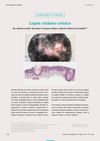 January 2024 in “Revista Dermatológica Centro Uraga”
 The patient has Chronic Cutaneous Lupus, a skin condition causing plaques and hair loss.
January 2016 in “Elsevier eBooks” Dermatophycosis is a treatable fungal skin infection spread by contact with infected animals.
 September 2022 in “The American journal of dermatopathology/American journal of dermatopathology”
 A patient with a thick scalp and hair loss was correctly diagnosed with alopecia areata and a thick scalp fat layer, not lipedematous alopecia, and regrew hair after treatment.
 14 citations
,
September 2009 in “International Journal of Dermatology”
14 citations
,
September 2009 in “International Journal of Dermatology” DCPA is a chronic leg infection often related to Staphylococcus aureus, affecting mostly young men in India.
The chapter concludes that certain skin diseases in bovines cause symmetrical, non-painful lesions and temporary hair loss due to stress.
April 2011 in “Companion Animal” Feline pododermatitis is less common in cats than in dogs.
Scalp itching can be caused by various skin conditions, hair loss, allergies, or anxiety.
8 citations
,
May 2005 in “Australian veterinary journal” A Tibetan Terrier had recurring seasonal hair loss for three years.
19 citations
,
April 2014 in “Veterinary Dermatology” Demodicosis should be considered in cats with facial skin issues exposed to inhalant glucocorticoids.

The woman has a scalp condition causing hair loss.