 March 2024 in “Frontiers in endocrinology”
 A new MTX2 gene mutation caused a severe genetic disorder in a young Chinese girl.
 January 2023 in “International Journal of Pharmaceutical and Clinical Research”
 Follicular targeting could improve hirsutism treatment by focusing directly on hair follicles.

Researchers found a genetic link for hereditary hair loss but need more analysis to identify the exact gene.
 July 2017 in “British Journal of Dermatology”
 The document concludes that scalp conditions have various causes and can present in many different ways.
 September 2016 in “Elsevier eBooks”
 Different types of hair loss in dogs and cats have various causes and treatments, with outcomes ranging from good to uncertain.

Hormonal treatments can help with hair loss, acne, and excess hair growth, but it takes 3-6 months to see results and patients should know the possible side effects.
 January 2015 in “Springer eBooks”
 The document concludes that managing PCOS involves lifestyle changes, medication, and monitoring for associated health risks.
 January 2013 in “Dermatologic Clinics”
 Hair disorders need a holistic approach, including medical, cosmetic, and psychological support.
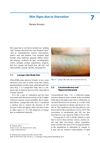 June 2012 in “Springer eBooks”
 Skin changes can indicate starvation and nutritional deficiencies in anorexia nervosa.

Laser hair removal may cause skin changes that prevent hair regrowth.

The document concludes that Syndromes of Severe Insulin Resistance are rare disorders with limited treatment options.
 February 2025 in “Journal of Cosmetic Dermatology”
 Temporary facial blanching can occur after Botulinum toxin injections, but it resolves without discomfort.
1 citations
,
September 2023 in “Frontiers in Genetics” A heterozygous mutation in HTRA1 can cause severe CARASIL symptoms.
September 2023 in “Journal of the American Academy of Dermatology” Severe alopecia areata may increase the risk of hidden artery disease.
 September 2023 in “Hair transplant forum international”
 Temporary hair loss can happen after a facial rejuvenation procedure due to blood flow blockage caused by a certain filler.
12 citations
,
July 2013 in “Circulation” Improving mitochondrial health may better treat atherosclerosis than antioxidants.
Oxidative stress is linked to mild patchy alopecia areata.
 25 citations
,
June 2015 in “Scientific Reports”
25 citations
,
June 2015 in “Scientific Reports” People with alopecia areata have a higher risk of stroke.
 January 2024 in “Wiadomości Lekarskie”
 Aortic aneurysm treatment has shifted to less invasive methods, improving safety and outcomes.
 February 2023 in “Frontiers in Bioengineering and Biotechnology”
 Optical imaging and light therapy show promise for diagnosing and treating liver injury caused by surgery.
January 2023 in “Mansoura Medical Journal” Higher ischemia-modified albumin levels are linked to acne severity.
 May 2020 in “Research Square (Research Square)”
 Hair follicle stem cells may help treat strokes.
1 citations
,
August 2020 in “Research Square (Research Square)” Hair follicle stem cells may help treat strokes by improving brain recovery.
 March 2026 in “Critical Care Medicine”
 Hair restoration can cause severe seizures due to combined drug toxicity.
 January 2016 in “Ankara Üniversitesi Tıp Fakültesi mecmuası”
 Severe hair loss (androgenetic alopecia) is linked to higher risk of heart disease (cardiovascular atherosclerosis).
 June 2026 in “Journal of Cutaneous and Aesthetic Surgery”
 Recipient site scalp necrosis in hair transplantation is linked to microvascular injury and regional vascular vulnerability, especially in the frontal and mid-scalp areas.
 18 citations
,
March 2024 in “Frontiers in Pharmacology”
18 citations
,
March 2024 in “Frontiers in Pharmacology” Natural plant products like Proanthocyanidins and curcumin may help treat ischemic stroke by reducing inflammation.
 June 2016 in “American Journal of Cardiology”
 Hair loss may indicate higher risk of heart disease.
 3 citations
,
June 2015 in “Serbian Journal of Dermatology and Venereology”
3 citations
,
June 2015 in “Serbian Journal of Dermatology and Venereology” The conclusion is that cerebrovascular diseases can cause seizure-like activity in stroke patients, which can be improved with antiepileptic drugs.
 October 2017 in “Indian heart journal”
 Higher levels of small, dense LDL cholesterol are linked to a greater risk of heart attack in young adults.