1 citations
,
January 2016 in “Dermatology Online Journal” Triangular temporal alopecia can occur in adults and should be correctly identified to prevent misdiagnosis.
 August 2021 in “Acta medica Philippina”
 A girl's hair loss was found to be caused by both a hair-pulling disorder and another hair loss condition.
 April 2014 in “Jurnal Biomedik : JBM”
 An 8-year-old girl had nail and hair issues that improved without specific treatment, but fungal nail infection was hard to cure.
 March 2014 in “Journal of The American Academy of Dermatology”
 Azathioprine may help with severe hair loss, a new topical treatment could counteract hair thinning, and trichoscopy can diagnose hair-pulling disorder effectively.
52 citations
,
October 1997 in “American Journal of Psychiatry” Trichotillomania is a complex condition involving compulsive hair pulling that causes distress and hair loss.
19 citations
,
July 2004 in “Australasian Journal of Dermatology” Her hair grew back normally after she stopped rubbing it.
 June 1995 in “Archives of Dermatology”
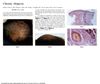
 A woman's hair loss was due to trichotillomania, which is often misdiagnosed and can require different treatments based on age and underlying conditions.
July 2025 in “Indian Dermatology Online Journal” Trichotillomania incognita can mimic hair loss patterns and requires careful diagnosis to avoid misdiagnosis.
September 2001 in “Swiss Medical Forum ‒ Schweizerisches Medizin-Forum”  37 citations
,
January 2017 in “International Journal of Dermatology”
37 citations
,
January 2017 in “International Journal of Dermatology” Trichoscopy helps tell apart alopecia areata and trichotillomania in Asians by looking at specific hair and scalp features.
 April 2023 in “Our Dermatology Online”
 Trichoscopy is effective in diagnosing trichotillomania by showing specific hair patterns.
January 2023 in “Odisha Journal of Psychiatry” Thorough patient interviews are crucial to identify self-inflicted hair loss.
 November 2023 in “International Journal of Dermatology”
 Trichoscopy helps tell apart other hair loss conditions from common hair loss.
 January 2025 in “Surgical & Cosmetic Dermatology”
 Histopathological confirmation is crucial to accurately diagnose alopecia triangular temporal and avoid unnecessary treatments.
February 2025 in “International Journal of Clinical & Experimental Dermatology” Trichotillomania in children is a sign of emotional distress needing tailored treatment and family support.
2 citations
,
July 2019 in “Indian dermatology online journal” A 17-year-old girl and her brothers have a rare hair condition with long eyelashes, thick eyebrows, and easily pluckable hair.
51 citations
,
August 2010 in “British journal of dermatology/British journal of dermatology, Supplement” Intralesional triamcinolone acetonide helps regrow eyebrows in patients with frontal fibrosing alopecia.
18 citations
,
January 1992 in “Dermatology” A 4-year-old girl has a rare condition causing hairlessness and skin bumps, but normal teeth and sweating.
8 citations
,
January 2013 in “International journal of trichology” Two people had unusual ring-shaped hair loss due to an autoimmune disorder.
3 citations
,
June 2016 in “JEADV. Journal of the European Academy of Dermatology and Venereology/Journal of the European Academy of Dermatology and Venereology” A patient with hair loss condition grew excessive hair in areas covered by a cast.
January 2019 in “Revista Dermatológica Centro Uraga” Alopecia triangular temporal is a rare condition with unclear causes and treatment, but trichoscopy helps in diagnosis.
January 1999 in “대한피부과학회지” Trichotillomania is more common in young females and often linked to stress and psychiatric conditions, with hair loss and increased catagen hair observed.
March 1999 in “Annals of the Academy of Medicine Singapore” Trichotillomania is a chronic condition where people uncontrollably pull out their hair, often needing medication and therapy for treatment.
2 citations
,
April 2008 in “Advances in therapy” Proper diagnosis and treatment of childhood hair loss require distinguishing between alopecia and trichotillomania.
12 citations
,
January 2001 in “Der Hautarzt” Trichorhinophalangeal syndrome causes hair, facial, and bone issues, with no specific treatment beyond gentle care.
 November 2018 in “Skin appendage disorders”
 The document concludes that a woman has both Frontal Fibrosing Alopecia and Lichen Simplex Chronicus, a previously unreported combination of conditions.
 December 2020 in “TURKDERM”
 A 3-year-old boy was diagnosed with a rare, non-scarring hair loss condition called temporal triangular alopecia.
6 citations
,
October 2006 in “International Journal of Dermatology” Hair splitting and nail detachment are linked conditions.
 1 citations
,
September 2024 in “Indian Journal of Postgraduate Dermatology”
1 citations
,
September 2024 in “Indian Journal of Postgraduate Dermatology” Trichoscopy effectively diagnoses temporal triangular alopecia in children.
 39 citations
,
July 2015 in “British Journal of Dermatology”
39 citations
,
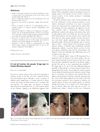
July 2015 in “British Journal of Dermatology” The pseudo 'fringe sign' can also appear in frontal fibrosing alopecia, not just in traction alopecia, showing that this condition may be more common than thought.