 8 citations
,
June 2019 in “Pharmaceutical research”
8 citations
,
June 2019 in “Pharmaceutical research” Applying heat with certain chemicals can greatly improve how well isotretinoin gets into the skin through hair follicles.
January 2023 in “JOURNAL OF CLINICAL AND DIAGNOSTIC RESEARCH” Combining injections with lotion is more effective for hair regrowth in alopecia areata than using the lotion alone.
 2 citations
,
April 2019 in “Dermatologic Therapy”
2 citations
,
April 2019 in “Dermatologic Therapy” A patient with alopecia had hair regrowth with tofacitinib but developed a skin reaction, choosing to continue the treatment despite the side effect.
 22 citations
,
January 1968 in “THE JOURNAL OF VITAMINOLOGY”
22 citations
,
January 1968 in “THE JOURNAL OF VITAMINOLOGY” α-Tocopheryl acetate is well absorbed through healthy skin.
December 2020 in “Forum Dermatologicum” Intralesional triamcinolone acetonide can effectively limit the progression of GLPLS.
 November 2022 in “JAAD case reports”
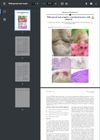
 A man with skin and hair symptoms improved partially with specific treatment.
1 citations
,
August 2024 in “Journal of Cosmetic and Laser Therapy” Intralesional vitamin D3 is an effective and safe treatment for patchy alopecia areata with fewer side effects.
 August 2015 in “Dermatología Argentina”
 Frontal fibrosing alopecia causes hairline recession and eyebrow loss in postmenopausal women.
July 2025 in “International Journal of Trichology” Intralesional methotrexate and triamcinolone acetonide are more effective than Vitamin D3 for treating alopecia areata.
 81 citations
,
January 2003 in “The FASEB Journal”
81 citations
,
January 2003 in “The FASEB Journal” Follistatin helps hair growth and cycling, while activin prevents it.
2 citations
,
November 2025 in “Healthcare” Combining a 675 nm laser with isotretinoin improves acne treatment results.
 14 citations
,
April 2019 in “International Journal of Women's Health”
14 citations
,
April 2019 in “International Journal of Women's Health” Some treatments can stabilize Frontal Fibrosing Alopecia, but more research is needed to find effective treatments, and hair transplants often fail.
 January 2026 in “Dermatology Practical & Conceptual”
 Triamcinolone acetonide is more effective than cryotherapy for hair regrowth in alopecia areata but has different side effects.
75 citations
,
September 1971 in “British Journal of Dermatology” Both steroids effectively promote hair growth for at least 9 months.
 17 citations
,
June 2016 in “Australasian Journal of Dermatology”
17 citations
,
June 2016 in “Australasian Journal of Dermatology” Treatment with dutasteride, minoxidil, and artificial hair transplantation improved appearance but caused folliculitis.
 January 2016 in “The Australian Pharmacist”
 Tofacitinib might be used to treat hair loss.
 2 citations
,
October 2018 in “Archives of Dermatological Research”
2 citations
,
October 2018 in “Archives of Dermatological Research” Tofacitinib helps mice grow more hair by increasing noggin and BMP4 levels, possibly better than minoxidil.
 1 citations
,
June 2017 in “Skin”
1 citations
,
June 2017 in “Skin” Apremilast may help treat lichen planopilaris and frontal fibrosing alopecia when other treatments fail.
August 1993 in “Journal of Dermatological Science” 17 citations
,
January 2016 in “Advances in Dermatology and Allergology” Isotretinoin may reduce inflammation by increasing adiponectin and leptin levels.
 October 2023 in “Journal of the American Academy of Dermatology”
 Clascoterone cream could be used for other skin conditions affected by hormones.
11 citations
,
January 2020 in “Journal of Drugs in Dermatology” Intralesional triamcinolone acetonide is effective and safe for treating early to mid-stage traction alopecia.
 December 2023 in “Journal of Ayub Medical College Abbottabad”
 Ritlecitinib effectively treats alopecia areata in patients 12 and older with fewer side effects.
 September 2025 in “Tạp chí Da liễu học Việt Nam”
 2.5 mg/mL TAC is as effective and safe as 5 mg/mL, but 5 mg/mL may improve hair regrowth and density more.
 February 2006 in “Journal of The American Academy of Dermatology”
 Terbinafine is more effective than itraconazole for toenail fungus, especially in older patients, and debridement improves its effectiveness.
 January 2025 in “International journal of research and scientific innovation”
 The liposomal hydrogel shows promise for hair loss treatment but needs more testing.
2 citations
,
December 2004 in “PubMed”  5 citations
,
April 2015 in “HSOA journal of clinical dermatology & therapy”
5 citations
,
April 2015 in “HSOA journal of clinical dermatology & therapy” Triamcinolone acetonide mesotherapy may be effective for treating patchy hair loss in alopecia areata.
 1 citations
,
January 2018 in “Journal of cosmetology & trichology”
1 citations
,
January 2018 in “Journal of cosmetology & trichology” Hair loss lotion with specific ingredients effectively improves hair growth and thickness safely.
4 citations
,
December 2020 Methotrexate may help stabilize frontal fibrosing alopecia.