November 2023 in “SKIN The Journal of Cutaneous Medicine” Ritlecitinib effectively maintains hair regrowth in alopecia areata patients.
January 2019 in “프로그램북(구 초록집)” Both tofacitinib and ruxolitinib are effective and tolerable for treating alopecia areata.
 April 2018 in “Journal of Investigative Dermatology”
 Anigozanthos Flavidus flower extract helps regenerate skin and reduce wrinkles.
July 2024 in “Journal of Investigative Dermatology” ATR04-484 ointment shows promise for treating skin issues from cancer therapies.
2 citations
,
January 2010 in “PubMed” Current treatments for postmenopausal frontal fibrosing alopecia stop hair loss but don't regrow hair.
9 citations
,
January 2012 in “International journal of trichology” Trichostasis spinulosa can be diagnosed with a simple skin biopsy and treated with specific gels, but lesions may return after stopping treatment.
 3 citations
,
February 2005 in “Aktuelle Dermatologie”
3 citations
,
February 2005 in “Aktuelle Dermatologie” Prolactin and TGF-β receptor blockers might help treat hair loss.
 April 2018 in “The journal of investigative dermatology/Journal of investigative dermatology”
 Androgens increase growth factors in skin cells, which may lead to acne.
 February 2026 in “Frontiers in Immunology”
 Ivarmacitinib significantly improved hair regrowth in severe alopecia areata after tofacitinib was less effective.
 17 citations
,
January 2015 in “International Journal of Trichology”
17 citations
,
January 2015 in “International Journal of Trichology” Frontal fibrosing alopecia may affect nails and could be a type of lichen planus, treatable with certain medications.
3 citations
,
August 2023 in “Journal of Cutaneous Medicine and Surgery” Topical Flutamide 1% gel effectively and safely reduces acne.
January 2013 in “International journal of contemporary surgery” Using Cyproterone Acetate with Eflornithine together is safe and works better for treating facial hair in women.
 1 citations
,
July 2024 in “Journal of the European Academy of Dermatology and Venereology”
1 citations
,
July 2024 in “Journal of the European Academy of Dermatology and Venereology” Oral dutasteride is effective and safe for treating frontal fibrosing alopecia.
Tofacitinib significantly improved hair loss and lesions in a patient with overlapping autoimmune disorders.
5 citations
,
January 1995 in “Journal of Dermatological Treatment” Calcipotriol does not improve the effectiveness of squaric acid dibutylester in treating alopecia areata.
June 2025 in “Acta Dermato Venereologica” Low-dose Ritlecitinib may help children with stubborn Alopecia Areata.
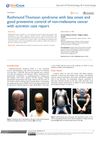 August 2024 in “Journal of Dermatology & Cosmetology”
 Acitretin effectively prevented skin cancer in a patient with late-onset Rothmund-Thomson syndrome.
Activin B helps start and grow hair follicles in mice.
TCA injections are more effective and safer than cryotherapy for treating alopecia areata.
17 citations
,
October 2024 in “Journal of the American Academy of Dermatology” Brepocitinib effectively reduces inflammation and improves symptoms in cicatricial alopecia with good safety.
7 citations
,
September 2021 in “Antimicrobial Agents and Chemotherapy” Olorofim effectively treats fungal skin infections.
10 citations
,
June 2011 in “PubMed” Most skin care products are safe during pregnancy, but avoid hydroquinone and tretinoin.
 June 2026 in “Dermatology and Therapy”
 Ritlecitinib provides new treatment options for diverse alopecia areata patients.
7 citations
,
August 2024 in “Journal of Cosmetic Dermatology” Isotretinoin effectively treats acne with low risk if dosed correctly.
 40 citations
,
January 1996 in “Journal of Dermatological Treatment”
40 citations
,
January 1996 in “Journal of Dermatological Treatment” Antimicrobial lotion reduces inflammation and increases hair density in hair loss patients.
10 citations
,
October 1981 in “Archives of Dermatology” The man's skin condition was finally identified as tinea incognito, a fungal infection.
December 2024 in “PubMed” Freezia cream helps regrow hair in people with Alopecia Areata.
8 citations
,
August 2016 in “Journal of the European Academy of Dermatology and Venereology” Oral tacrolimus helped a rheumatoid arthritis patient regrow hair lost due to alopecia areata.
 16 citations
,
July 2002 in “JOGC/Journal of obstetrics and gynaecology Canada”
16 citations
,
July 2002 in “JOGC/Journal of obstetrics and gynaecology Canada” Birth control pills can help reduce mild to moderate acne in women.
 1 citations
,
October 2020 in “Journal of Cosmetic Dermatology”
1 citations
,
October 2020 in “Journal of Cosmetic Dermatology” Using minoxidil and tofacitinib together can effectively treat severe hair loss.