 8 citations
,
January 2015 in “International journal of trichology”
8 citations
,
January 2015 in “International journal of trichology” A woman's total hair loss was linked to a Borrelia infection and was reversed with appropriate treatment.
 1 citations
,
September 2003 in “The Journal of the American Animal Hospital Association/Journal of the American Animal Hospital Association”
1 citations
,
September 2003 in “The Journal of the American Animal Hospital Association/Journal of the American Animal Hospital Association” Transdermal fluoxetine is less effective in cats, clomipramine may help with feline alopecia, younger dogs often start fights, dietary changes can reduce cribbing in horses, negative aggression tests in shelter dogs predict good behavior, many older cats show cognitive issues, and fluoxetine or paroxetine can improve canine anxiety.
June 2025 in “British Journal of Dermatology” Ruxolitinib helped a woman with a genetic mutation regrow her hair and improved her health.
March 2026 in “Actas Dermo-Sifiliográficas” JAK inhibitors are recommended for severe alopecia areata if corticosteroids fail.
 June 2026 in “Wiener klinische Wochenschrift”
 New treatments for alopecia areata show promise but need ongoing use and have infection risks.
 42 citations
,
November 2018 in “Archives of dermatological research”
42 citations
,
November 2018 in “Archives of dermatological research” Apremilast was not effective in treating moderate-to-severe alopecia areata.
 April 2024 in “Frontiers in medicine”
 Alopecia Areata significantly lowers quality of life and current treatments are inadequate, highlighting a need for better therapies and standardized treatment protocols.
 10 citations
,
January 2018 in “Postępy Dermatologii i Alergologii”
10 citations
,
January 2018 in “Postępy Dermatologii i Alergologii” Treating alopecia areata every 3 weeks with diphenylcyclopropenone is more effective than weekly treatments.
 March 2014 in “Journal of The American Academy of Dermatology”
 Tavaborole is a safe and effective toenail fungus treatment, with the 5% solution being the best option.
11 citations
,
February 2022 in “JAAD case reports” Abrocitinib, a JAK inhibitor, may help treat atopic dermatitis and alopecia universalis together.
3 citations
,
November 2023 in “The Journal of Dermatology” 2 citations
,
May 2017 in “Journal of the American Academy of Dermatology” Tofacitinib helped a 19-year-old regrow hair after other treatments failed.
 20 citations
,
January 2014 in “Journal of the European Academy of Dermatology and Venereology”
20 citations
,
January 2014 in “Journal of the European Academy of Dermatology and Venereology” The critique highlights an error in a review about hair loss treatment, stressing the need for accurate information and caution due to poor evidence quality.
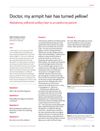
A 15-year-old boy's smelly, yellow armpit hair improved with clindamycin treatment.

An infant with a zinc deficiency skin disorder improved with zinc treatment.
April 2025 in “International Journal of Clinical & Medical Case Studies” Dextroamphetamine may help treat alopecia areata.
8 citations
,
January 2011 in “International journal of trichology” Accurate diagnosis of APL is crucial to avoid unnecessary treatments.
 August 2016 in “Journal of Investigative Dermatology”
 Blocking the CCR5 receptor may be a new way to treat hair loss from alopecia areata.
 October 2009 in “Reactions Weekly”
 A woman developed lupus after taking hydroxyurea for two years.
August 2025 in “Veterinary Dermatology” Canine alopecia areata is a chronic condition needing long-term management.
 100 citations
,
September 2016 in “Clinical transplantation/Clinical transplantation.”
100 citations
,
September 2016 in “Clinical transplantation/Clinical transplantation.” Voriconazole can cause serious side effects, especially in long-term use.
July 2025 in “Malaria Journal” Resolving malaria-related lung issues doesn't rely on Alox12 and leaves some inflammation.
 4 citations
,
August 2016 in “JEADV. Journal of the European Academy of Dermatology and Venereology/Journal of the European Academy of Dermatology and Venereology”
4 citations
,
August 2016 in “JEADV. Journal of the European Academy of Dermatology and Venereology/Journal of the European Academy of Dermatology and Venereology” Using cetirizine on the skin and taking vitamin D can help increase hair growth in children with hair loss from ectodermal dysplasia.
November 2003 in “Journal of Neurochemistry” Allopregnanolone may enhance alcohol's effects on dopamine neurons, influencing addiction risk.
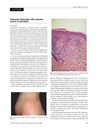 9 citations
,
July 2002 in “Journal of the European Academy of Dermatology and Venereology”
9 citations
,
July 2002 in “Journal of the European Academy of Dermatology and Venereology” The document concludes that fexofenadine reduces inflammation in chronic hives, cholestyramine helps half of pregnant women with itchy rashes, and relaxing incisions are a good alternative in facial surgery for the elderly.
New drugs, baricitinib and ritlecitinib, are effective for severe alopecia areata.
1 citations
,
January 2022 in “Italian journal of dermatology and venereology” The combination of arginine and zinc reduces hair loss and increases hair growth effectively.
 2 citations
,
June 2004 in “PubMed”
2 citations
,
June 2004 in “PubMed” Carbamazepine caused hair loss in a man, which stopped after he stopped taking the drug.
June 2026 in “International Journal of Advanced Multidisciplinary Research and Studies” Ketoconazole hair spray is an effective and easy treatment for scalp fungal infections.
October 2022 in “The Egyptian Journal of Hospital Medicine” Methotrexate and azathioprine can help treat alopecia areata.