Search
for
Sort by
Research
480-510 / 1000+ resultsresearch Comparing the therapeutic effects of finasteride gel and tablet in treatment of the androgenetic alopecia
Finasteride gel is slightly more effective than the tablet for treating hair loss.
research Pilot Clinical Evaluation of a Hyaluronic Acid– and Hydrogen Peroxide–Based Gel in the Management of Folliculitis: An Open-Label, Post-Marketing Study
The gel effectively reduced folliculitis symptoms and was safe to use.
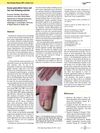
research Excess granulation tissue and hair loss following acitretin
Acitretin can cause excess tissue growth and hair loss.
research Caffeic acid skin absorption: Delivery of microparticles to hair follicles
Microparticles help caffeic acid stay longer in hair follicles for better treatment of folliculitis.
research A case report of verruca vulgaris on basis of alopecia areata successfully treated with diphenylcyclopropenone
Diphenylcyclopropenone (DPCP) effectively treated both alopecia areata and verruca vulgaris.
research Comparing the Efficiency of Elidel Cream and Elidel Accompanied With Tretinoin Cream in Treatment of Alopecia Areata
Elidel combined with tretinoin is more effective for treating alopecia areata than Elidel alone.
research Retinoids in Dermatology
Retinoids are effective for severe acne and psoriasis but can cause serious side effects and birth defects.
research Erosive pustular dermatosis of the scalp following topical methylaminolaevulinate photodynamic therapy
A 93-year-old woman developed a rare scalp condition after therapy, which improved with steroids, not antibiotics.
research 139 Anti-BCC efficacy of a topical hedgehog inhibitor without adverse effects in BCNS patients in a phase 2 randomized controlled trial
Topical patidegib gel effectively treats basal cell carcinoma in Gorlin syndrome patients without causing the side effects seen with oral treatments.
research Experimental Study on Anticomedone Effect of Anti-acne Gel of Curcuma in Rabbit Ear Acne Model
Curcuma anti-acne gel effectively reduces acne symptoms.
research The comparison of treatment with clobetasol propionate 0.05% and topical pimecrolimus 1% treatment in the treatment of alopecia areata
Clobetasol and pimecrolimus are similarly effective for alopecia areata, but pimecrolimus has fewer side effects and is preferred for long-term use.
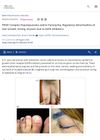
research PRIDE Complex (Papulopustules and/or Paronychia, Regulatory Abnormalities of Hair Growth, Itching, Dryness Due to EGFR Inhibitors)
PRIDE complex side effects from EGFR inhibitors can be managed without stopping treatment.
research Transepidermal Delivery of Triamcinolone Acetonide or Platelet Rich Plasma using either Fractional Carbon Dioxide Laser or Microneedling in Treatment of Alopecia Areata
Both treatments help hair regrowth, with PRP being slightly better.
research Histological evaluation of hair follicle due to papain's depilatory effect
Papain cream removes hair better than papain gel, causing hair follicles to widen and skin to thicken.
research Cirmcumscribed juvenile pityriasis rubra pilaris in a 5-year-old-girl treated with topical keratolytic and steroid
A 5-year-old girl with a rare skin disorder was effectively treated with skin creams instead of oral medication.
research A randomized placebo-controlled single-center pilot study of the safety and efficacy of apremilast in subjects with moderate-to-severe alopecia areata
Apremilast was not effective in treating moderate-to-severe alopecia areata.
research Glabellar pomade crust mimicking dyskeratosis follicularis
The woman's forehead lesion was caused by ointment use and resolved with treatment.
research Efficacy of Upadacitinib in Treating Alopecia Areata, Atopic Dermatitis, and Th1 Comorbidities in Pediatric Patients: A Comprehensive Case Series and Literature Review
Upadacitinib is safe and effective for treating alopecia areata and atopic dermatitis in children.
research Oral Treatment of Keratinizing Disorders of Skin and Mucous Membranes With Etretinate
Etretinate was effective for certain skin conditions, but caused side effects like chapped lips, dry mucous membranes, and hair loss.

research A Novel Topical Compound Gel Loading Minoxidil and Tofacitinib for Treatment of Alopecia Areata: Formulation, Characterization, and In Vitro/In Vivo Evaluation
The new gel combining minoxidil and tofacitinib effectively treats alopecia areata by promoting hair growth and reducing inflammation.
research A double-blind, placebo-controlled study with Kevis lotion
research Platelet rich plasma use for treatment of acne scars: an overview of systematic reviews.
PRP's effectiveness for acne scars is uncertain.
research Comparative evaluation for the efficacy and tolerance of two skin products containing either hydroquinone or emblica extract with kojic acid in female subjects with facial dyschromia
Both skin products were equally effective in improving facial discoloration and skin quality.
research Micropore-Forming Photocurable Tissue Adhesive Promotes Cell Infiltration for Wound Healing
research Isotretinoin
Isotretinoin is a preferred treatment for severe acne, often leading to long-term improvement, but requires careful monitoring due to potential side effects.
research Severe pustular lesions induced by topical immunotherapy with squaric acid dibutylester for alopecia totalis
Squaric acid dibutylester can cause severe skin reactions in people with allergies.
research Fabrication of Thymoquinone and Ascorbic Acid-Loaded Spanlastics Gel for Hyperpigmentation: In Vitro Release, Cytotoxicity, and Skin Permeation Studies
The gel is a safe and effective treatment for hyperpigmentation.
research Upadacitinib: A New Weapon for the Treatment of Twenty-Nail Dystrophy
Upadacitinib may effectively treat twenty-nail dystrophy without causing pain.
research Erosive Pustular Dermatosis of the Scalp Due to Afatinib: A Rare Case
Stopping afatinib improved a rare scalp condition in a patient.