1 citations
,
January 2026 in “International Journal of Dermatology” Dupilumab can cause unexpected scalp issues, so early symptom recognition is important to avoid hair loss.
5 citations
,
October 2024 in “Reumatismo” Upadacitinib significantly improved alopecia universalis and psoriatic arthritis in a patient.
 3 citations
,
June 2023 in “Journal of cosmetic dermatology”
3 citations
,
June 2023 in “Journal of cosmetic dermatology” A new drug, abrocitinib, helped a child with severe hair loss regrow hair.
16 citations
,
January 2021 in “Journal of the American Academy of Dermatology” Asynchronous telemedicine for acne treatment is effective and improves access and productivity.
 25 citations
,
November 2022 in “British journal of dermatology/British journal of dermatology, Supplement”
25 citations
,
November 2022 in “British journal of dermatology/British journal of dermatology, Supplement” Baricitinib for severe alopecia areata is generally safe, with common side effects like infections and acne, and low rates of serious complications.
1 citations
,
May 2025 in “BMC Cancer” CDK4/6 inhibitors affect safety and quality of life differently, requiring careful use.
12 citations
,
March 2019 in “Cosmetics” The oral supplement with Pinus pinaster and Grape seed extract, used with sunscreen, effectively and safely improved mild-to-moderate facial melasma.
8 citations
,
January 2019 in “Journal of cosmetic dermatology” Modified phenol peels effectively reduced stubborn skin pigmentation in patients with Lichen Planus Pigmentosus.
2 citations
,
January 2010 in “Side effects of drugs annual” Dermatological drugs and cosmetics can cause serious side effects like cancer, allergies, and heart issues.
3 citations
,
May 2025 in “Carbohydrate Polymers” The new microneedle patch effectively treats alopecia areata with fewer side effects than oral medication.
 2 citations
,
January 2012 in “Hair therapy & transplantation”
2 citations
,
January 2012 in “Hair therapy & transplantation” DDAIP-HCl significantly increases minoxidil absorption into the skin.
 October 2024 in “Asian Journal of Pharmaceutical and Clinical Research”
 Topical methotrexate is more effective and as safe as betamethasone for treating alopecia areata.
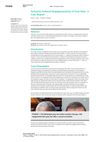
Acitretin treatment unexpectedly darkened a patient's gray hair.
 115 citations
,
January 2001 in “American journal of clinical dermatology”
115 citations
,
January 2001 in “American journal of clinical dermatology” Eflornithine cream effectively reduces women's unwanted facial hair but hair returns if treatment stops.
 August 1986 in “Journal of The American Academy of Dermatology”
 Minoxidil showed a 30% success rate for hair growth in a study, and various skin treatments were effective, but some had limitations or side effects.
Encapsulating ascorbyl palmitate in curcumin-grafted particles improves its stability and skin penetration.
 April 2023 in “Iraqi postgraduate medical journal”
 Microneedling with clobetasol cream works better for hair regrowth in alopecia areata than clobetasol cream alone.
May 2008 in “10th European Congress of Endocrinology” 6 citations
,
March 1990 in “The American journal of cosmetic surgery” Daily use of emollients from birth may reduce atopic dermatitis in infants, but results are mixed.
July 2025 in “Journal of Investigative Dermatology” Solid Lipid Particle technology makes retinol more stable, effective, and gentle on the skin.
 63 citations
,
May 2011 in “Clinical cancer research”
63 citations
,
May 2011 in “Clinical cancer research” The topical inhibitor CUR61414 was not effective in treating basal cell carcinoma in human trials.
 8 citations
,
February 2010 in “Journal of Dermatology”
8 citations
,
February 2010 in “Journal of Dermatology” A topical treatment safely and effectively reduced acne by causing targeted cell death in sebaceous glands without side effects.
 61 citations
,
June 2010 in “European Journal of Pharmaceutics and Biopharmaceutics”
61 citations
,
June 2010 in “European Journal of Pharmaceutics and Biopharmaceutics” Cationic polymers improved liposome stability and increased skin absorption of aciclovir and minoxidil.
 9 citations
,
January 2017 in “Organic Process Research & Development”
9 citations
,
January 2017 in “Organic Process Research & Development” In 2017, a new method was created to efficiently produce a topical antiandrogen, a compound used to treat excess sebum and acne, with a high yield and purity.
169 citations
,
September 2002 in “British journal of dermatology/British journal of dermatology, Supplement” ZD1839 (Iressa) causes skin and hair side effects, treatable with tretinoin cream and minocycline.
July 2024 in “Journal of Investigative Dermatology”  May 2020 in “JAAD case reports”
 Using anthralin and calcipotriene together might help treat tough cases of alopecia areata, but more research is needed to understand how it works.
 July 2026 in “Dermatology Practical & Conceptual”
 Methotrexate via microneedling is more effective than triamcinolone for treating stubborn alopecia areata.