 October 2012 in “Semina. Ciências Agrárias”
 A Shi Tzu dog with high cortisol levels improved after increasing the dose of trilostane.
 September 2019 in “Rheumatology advances in practice”
 Diagnosing and treating rapidly worsening lung disease is difficult and requires better guidelines and understanding.
 May 2023 in “Frontiers in Endocrinology”
 Blocking CRF1 receptors improved male hormone levels and reduced testicular tumor size in men with a specific adrenal condition.
 July 2026 in “Frontiers in Medicine”
 A new treatment plan for alopecia areata considers disease severity, quality of life, and progression to offer personalized care.
 February 2005 in “Journal of The American Academy of Dermatology”
 Metabolic syndrome can cause serious health issues and should be considered when treating women with severe acne.
September 2022 in “Reactions Weekly” November 2021 in “Circulation” SCAD can indicate ANA-negative lupus, especially in women with unusual symptoms.
 8 citations
,
May 2012 in “Clinical and Experimental Dermatology”
8 citations
,
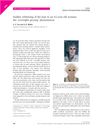
May 2012 in “Clinical and Experimental Dermatology” An 82-year-old woman's hair turned white suddenly, likely due to a rare form of alopecia that targets pigmented hair.
 December 2024 in “Brazilian Journal of Health Review”
 Early diagnosis of alopecia frontal fibrosante is crucial, but treatment remains controversial and varies.
 January 2024 in “Современные проблемы науки и образования (Modern Problems of Science and Education)”
 Treating post-COVID hair loss leads to full recovery, while not treating it often results in ongoing symptoms.
Lupus nephritis can cause severe kidney and blood vessel problems.
2 citations
,
October 1974 in “Archives of Dermatology” The woman's skin condition persisted for 20 years despite treatments.
46 citations
,
June 1983 in “Cleveland Clinic Journal of Medicine” Higher DHEAS levels may cause hair loss in women by disrupting hair growth.
January 2000 in “Linchuang pifuke zazhi” The man had pretibial myxedema and hyperthyroidism, causing skin changes and thyroid issues.
April 2019 in “Journal of the Endocrine Society” A 31-year-old woman was diagnosed with Complete Androgen Insensitivity Syndrome much later than usual, leading to a call for earlier detection and treatment guidelines.
1 citations
,
May 2021 in “Journal of the Endocrine Society” A woman developed Cushing syndrome and adrenal insufficiency from using fluticasone and ritonavir together.
14 citations
,
February 2007 in “Irish Veterinary Journal” A dog with a pituitary tumor developed tertiary hypothyroidism, improved with treatment, but was later euthanized due to neurological issues.
A brain injury can lead to compulsive hair-pulling and psychosis-like symptoms, needing comprehensive treatment.
 November 2025 in “International Dermatology”
 Accurate diagnosis is crucial to distinguish telogen effluvium from male pattern baldness to avoid unnecessary treatments.
 February 2026 in “Reports — Medical Cases Images and Videos”
 Upadacitinib may help regrow hair in children with alopecia areata and is generally safe.

A girl with Crohn's disease developed hair loss due to her increased medication, a rare side effect seen in some children.
June 2025 in “Pediatric Annals” Adolescents face skin and hair issues due to hormonal changes, needing informed care beyond social media advice.
60 citations
,
February 2003 in “Postgraduate Medical Journal” Early diagnosis and haemodialysis can effectively treat thallium poisoning.
 April 2024 in “International journal of research in dermatology”
 Azathioprine can cause hair loss and matted hair.
 March 2026 in “Frontiers in Pediatrics”
 COVID-19 may trigger hair loss conditions like alopecia areata.
 2 citations
,
May 2018 in “Diagnosis”
2 citations
,
May 2018 in “Diagnosis” A 68-year-old woman developed male traits due to a tumor in her ovary, which was removed, returning her hormone levels to normal.
March 2026 in “JCEM Case Reports” Surgery removed ovarian tumors, normalizing testosterone and improving symptoms.
 5 citations
,
July 2020 in “Journal of the American Academy of Dermatology”
5 citations
,
July 2020 in “Journal of the American Academy of Dermatology” Adding antihistamines to topical corticosteroid and cryotherapy may improve hair regrowth in alopecia areata patients.
35 citations
,
October 2017 in “JAMA dermatology” Children with alopecia areata should only have thyroid screening if they have Down syndrome, a history of atopy, family history of thyroid disease, or signs of thyroid problems.
 March 2024 in “Frontiers in Endocrinology”
 The study found that alopecia areata and hypothyroidism increase the risk of each other, but androgenetic alopecia and hypothyroidism do not.