 August 2024 in “Archives of Dermatological Research”
 Acne severity is not related to the type or severity of androgenetic alopecia.
January 2014 in “Repository KITopen (Karlsruhe Institute of Technology)” Autoimmune diseases need combined therapy of tolerance induction and immunosuppression.
 April 2023 in “Journal of Investigative Dermatology”
 Injecting anti-herpes antibodies locally can prevent skin lesions and sweating problems caused by herpes simplex virus in mice.
 185 citations
,
August 2005 in “Autoimmunity Reviews”
185 citations
,
August 2005 in “Autoimmunity Reviews” Alopecia areata is an autoimmune condition causing hair loss due to the immune system attacking hair follicles, often influenced by genetics and stress.
2 citations
,
May 2024 in “Expert Opinion on Drug Safety” Infections during JAK inhibitor treatment for alopecia areata are usually manageable and rarely stop treatment permanently.
 1 citations
,
January 2017 in “Springer eBooks”
1 citations
,
January 2017 in “Springer eBooks” Understanding the immune-related causes of Alopecia Areata has led to potential treatments like JAK inhibitors.
January 2015 in “프로그램북(구 초록집)” A 25-year-old man had an unusual case of benign skin tumors and hair loss.
 23 citations
,
September 2019 in “Dermatology practical & conceptual”
23 citations
,
September 2019 in “Dermatology practical & conceptual” The study concluded that AAI and DAA are forms of the same disease, with different symptoms in men and women, and that corticosteroid treatment is effective.
 15 citations
,
January 2010 in “Reproduction, Fertility and Development”
15 citations
,
January 2010 in “Reproduction, Fertility and Development” A certain gene variant may increase the risk of polycystic ovary syndrome in Chinese women.

People with early-onset hair loss (AGA) have a higher risk of heart disease, metabolic syndrome, and prostate enlargement.
 13 citations
,
January 2011 in “International Journal of Trichology”
13 citations
,
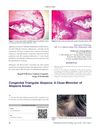
January 2011 in “International Journal of Trichology” CTA is often mistaken for AA but doesn't respond to steroids and may require hair transplantation.
 7 citations
,
December 2015 in “International Journal of Dermatology”
7 citations
,
December 2015 in “International Journal of Dermatology” New and known mutations in the hairless gene cause a hair loss condition called Atrichia with papular lesions.
 22 citations
,
October 2021 in “Dermatologic Therapy”
22 citations
,
October 2021 in “Dermatologic Therapy” COVID-19 may cause temporary hair loss in some people.
 21 citations
,
February 2012 in “Journal of the European Academy of Dermatology and Venereology”
21 citations
,
February 2012 in “Journal of the European Academy of Dermatology and Venereology” Late-onset alopecia areata in Taiwanese patients is more common in women, usually starts at age 57, often involves less than 10% hair loss, and may have a minimal link to thyroid issues.
14 citations
,
February 2013 in “Veterinary dermatology” Horse alopecia areata is rare and mainly affects their appearance.
 2 citations
,
October 2023 in “Frontiers in Immunology”
2 citations
,
October 2023 in “Frontiers in Immunology” People with rheumatoid arthritis have a higher risk of developing alopecia areata.
 December 2022 in “Urology Herald”
 Hormonal status from androgen deprivation therapy may affect COVID-19 severity in men.
 23 citations
,
March 2001 in “Clinics in dermatology”
23 citations
,
March 2001 in “Clinics in dermatology” Alopecia areata involves immune response and gene changes affecting hair loss.
 August 2024 in “OSMANGAZİ JOURNAL OF MEDICINE”
 The visfatin GT genotype may increase the risk of Alopecia Areata.
 2 citations
,
November 2011 in “Journal of Infection”
2 citations
,
November 2011 in “Journal of Infection” A woman with asthma improved from a severe fungal infection after treatment change, and most HIV-positive women in a UK study had low immune cell counts but were responding well to treatment.
1 citations
,
June 2022 in “Journal of Cosmetic Dermatology” Two specific genetic markers increase the risk of hair loss in Asian populations.
 2 citations
,
September 2013 in “Serbian Journal of Dermatology and Venereology”
2 citations
,
September 2013 in “Serbian Journal of Dermatology and Venereology” HIV-positive patients, especially men who have sex with men, had a high rate of skin diseases and sexually transmitted infections.
 11 citations
,
May 2021 in “Journal of The American Academy of Dermatology”
11 citations
,
May 2021 in “Journal of The American Academy of Dermatology” COVID-19 doesn't make alopecia areata worse.
Most severe COVID-19 patients had hair loss, suggesting a possible link.
 31 citations
,
October 2010 in “Journal of the European Academy of Dermatology and Venereology”
31 citations
,
October 2010 in “Journal of the European Academy of Dermatology and Venereology” Some people with heavy hair shedding might actually have a hidden form of alopecia, which can be identified by specific hair changes.
 January 2024 in “Editora In Vivo eBooks”
 H5N1 avian flu poses risks to birds and humans, requiring strict biosecurity measures.
 1 citations
,
January 1996 in “Springer eBooks”
1 citations
,
January 1996 in “Springer eBooks” Androgenetic alopecia is a condition causing noticeable hair loss, especially in middle age, which is more severe than normal balding.
1 citations
,
November 2024 in “Expert Opinion on Drug Safety” Aromatase inhibitors can cause various adverse reactions, so monitoring is crucial.
 51 citations
,
November 2020 in “Journal of the European Academy of Dermatology and Venereology”
51 citations
,
November 2020 in “Journal of the European Academy of Dermatology and Venereology” COVID-19 infection may cause significant hair loss, but full hair recovery is likely without special treatment.
13 citations
,
August 2017 in “Journal of Cellular Physiology” PD‐L1 and PD‐L2 may not effectively control immune activation in alopecia areata.