March 1998 in “Journal of Dermatological Science” Eccrine gland activity may be linked to alopecia areata.
January 1995 in “대한피부과학회지” Androgenetic alopecia is linked to family history and androgen effects.
 5 citations
,
November 1999 in “Medical Hypotheses”
5 citations
,
November 1999 in “Medical Hypotheses” Minoxidil, a common hair loss treatment, might work by counteracting a hormone that reduces hair growth and promotes hair loss.
 June 2026 in “BMC Biotechnology”
 The new model mimics hair loss and helps test treatments.
92 citations
,
February 2005 in “Endocrinology” Estrogen receptors affect hair growth, with ER beta slowing down the hair cycle changes caused by ER alpha.
June 2026 in “International Journal of Drug Delivery Technology” Polymeric micelles offer a promising new way to treat hair loss with fewer side effects.
 August 1994 in “Journal of dermatological science”
 Different substances affect hair and skin cell growth in various ways, with some promoting and others inhibiting cell proliferation.

Trichoriboside treatment helps maintain scalp hair by increasing cAMP levels in hair follicles of men with hair loss.
 May 2024 in “Research Square (Research Square)”
 Pediatric androgenetic alopecia is linked to obesity, family history, hormonal imbalances, and requires personalized treatment including managing comorbidities.
24 citations
,
May 2000 in “Journal of the American Academy of Dermatology” Pseudopelade can affect both the scalp and beard, causing hair loss.
 5 citations
,
September 2021 in “Frontiers in Cell and Developmental Biology”
5 citations
,
September 2021 in “Frontiers in Cell and Developmental Biology” Dihydrotestosterone treatment on 2D and 3D-cultured skin cells slows down hair growth by affecting certain genes and could be a potential target for hair loss treatment.
July 2024 in “Journal of Investigative Dermatology” Topical thyroid hormones may boost hair growth.
January 1983 in “Elsevier eBooks” Masculinization in affected individuals occurs gradually after puberty due to hormone changes.
January 2021 in “Dermatology online journal” One twin girl has Loose anagen syndrome with poorly anchored hair, diagnosed with a simple hair pull test, while her identical twin does not have the condition.
 January 2015 in “Journal of Cytology and Histology”
 Hair loss in Androgenetic Alopecia is not caused by damage to follicular stem cells.
 April 2024 in “Journal of cutaneous pathology”
 Skin conditions like seborrheic dermatitis can make it harder to correctly diagnose hair loss because they can cause the oil glands in the skin to shrink.
 March 2026 in “Trends in Sciences”
 A mouse model was created to study hair loss similar to humans.
April 2019 in “Journal of Investigative Dermatology” Dihydrotestosterone (DHT) increases oil production in skin cells by activating mTOR, and mTOR inhibitors can reduce this effect.
April 2023 in “Journal of Investigative Dermatology” A new treatment for hair loss shows promise with fewer side effects.
414 citations
,
August 2005 in “Nature” Activating TERT in mice skin boosts hair growth by waking up hair follicle stem cells.
 April 2017 in “Journal of Investigative Dermatology”
 A virus protein can activate a pathway that may lead to abnormal hair follicle development.
 32 citations
,
February 2024 in “Growth Hormone & IGF Research”
32 citations
,
February 2024 in “Growth Hormone & IGF Research” Dihydrotestosterone (DHT) stops hair growth in mice by lowering a growth factor important for hair.
 160 citations
,
January 2014 in “Seminars in cell & developmental biology”
160 citations
,
January 2014 in “Seminars in cell & developmental biology” Early development of hair, teeth, and glands involves specific signaling pathways and cellular interactions.
 37 citations
,
November 2003 in “Veterinary pathology”
37 citations
,
November 2003 in “Veterinary pathology” Hair loss in mice starts with immune cells damaging hair roots before it becomes visible.
 9 citations
,
January 2005 in “Pediatric Dermatology”
9 citations
,
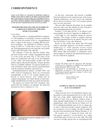
January 2005 in “Pediatric Dermatology” Fox Fordyce disease can occur in prepubertal girls and may be underdiagnosed.

Anti-androgens can help treat tough skin conditions like severe acne and excessive hair growth.
 April 2023 in “The journal of investigative dermatology/Journal of investigative dermatology”
 Blocking EGFR can lead to hair loss due to inflammation and stem cell damage.
 March 2026 in “Zenodo (CERN European Organization for Nuclear Research)”
 Regenerative therapies may help treat hair loss in androgenetic alopecia.
47 citations
,
January 1998 in “Molecular Carcinogenesis” ErbB2 signaling is crucial for skin cell growth and cancer development in mice.