 67 citations
,
May 2018 in “Journal of Ginseng Research”
67 citations
,
May 2018 in “Journal of Ginseng Research” Red ginseng may improve immunity, fatigue, memory, blood circulation, and menopausal symptoms, and is generally safe to consume.
 49 citations
,
November 2014 in “Journal of Medicinal Food”
49 citations
,
November 2014 in “Journal of Medicinal Food” Red Ginseng Extract may help human hair grow by activating growth pathways and blocking negative effects of certain hormones.
 43 citations
,
November 2019 in “American Journal of Clinical Dermatology”
43 citations
,
November 2019 in “American Journal of Clinical Dermatology” FAGA diagnosis uses blood tests and trichoscopy, with treatments like topical minoxidil, oral anti-androgens, and hormone-modulating drugs.
 41 citations
,
November 2013 in “Experimental Dermatology”
41 citations
,
November 2013 in “Experimental Dermatology” Leptin, a hormone, is important for starting hair growth.
 34 citations
,
December 2015 in “Neuroscience & Biobehavioral Reviews”
34 citations
,
December 2015 in “Neuroscience & Biobehavioral Reviews” Some hormone-related drugs may protect brain cells in Parkinson's disease differently in men and women.
 27 citations
,
February 2020 in “Journal of Cardiovascular Translational Research”
27 citations
,
February 2020 in “Journal of Cardiovascular Translational Research” Women generally handle heart enlargement better than men, but it's riskier for them if it occurs; hormones like estrogen offer some protection.
 26 citations
,
January 2019 in “Expert Opinion on Investigational Drugs”
26 citations
,
January 2019 in “Expert Opinion on Investigational Drugs” New treatments for hair loss show promise, but more research is needed to confirm their safety and effectiveness.
 26 citations
,
May 2014 in “BioEssays”
26 citations
,
May 2014 in “BioEssays” Using neurohormones to control keratin can lead to new skin disease treatments.
 24 citations
,
April 2014 in “Oncotarget”
24 citations
,
April 2014 in “Oncotarget” Minoxidil can reduce functions related to androgen receptors.
 23 citations
,
August 2005 in “Expert opinion on pharmacotherapy”
23 citations
,
August 2005 in “Expert opinion on pharmacotherapy” New treatments for low male hormones improved sexual function and mood but had unclear risks, especially for older men.
21 citations
,
April 2008 in “Toxicologic Pathology” CI-1033 causes skin lesions in rats, similar to humans, due to EGF receptor inhibition.
 15 citations
,
June 2020 in “Experimental Dermatology”
15 citations
,
June 2020 in “Experimental Dermatology” Hormones and genes affect hair growth and male baldness.
 14 citations
,
July 2021 in “Reviews in endocrine and metabolic disorders”
14 citations
,
July 2021 in “Reviews in endocrine and metabolic disorders” SARS-CoV-2, the virus causing COVID-19, can affect all endocrine organs and systems, altering their function and potentially leading to disorders. Factors like diabetes and obesity increase infection risk and severity. Understanding these effects is key for effective treatment.
 14 citations
,
September 2019 in “Eye”
14 citations
,
September 2019 in “Eye” Some oral medications may help treat central serous chorioretinopathy, especially eplerenone, but more research is needed.
 12 citations
,
September 2017 in “Molecular and Cellular Endocrinology”
12 citations
,
September 2017 in “Molecular and Cellular Endocrinology” Testosterone significantly affects sexual desire in both men and women, but its impact on women is more complex and influenced by psychological factors.
 5 citations
,
December 1979 in “Clinical and Experimental Dermatology”
5 citations
,
December 1979 in “Clinical and Experimental Dermatology” Anti-androgens are effective for female acne but less so for male-pattern hair loss, with side effects similar to birth control pills.
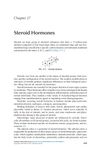 3 citations
,
January 2016 in “Elsevier eBooks”
3 citations
,
January 2016 in “Elsevier eBooks” Steroid hormones are crucial for body functions and have various medical uses, but their misuse can lead to dependence.
 2 citations
,
January 2025 in “Pharmaceutical Research”
2 citations
,
January 2025 in “Pharmaceutical Research” Angelica gigas Nakai root extracts may help with cancer, pain, memory loss, and metabolic issues.
 1 citations
,
October 2022 in “International journal of endocrinology”
1 citations
,
October 2022 in “International journal of endocrinology” Dihydrotestosterone changes some hormone-related gene expressions in rat pituitary glands but doesn't affect the estrous cycle.
 June 2026 in “Scientific Reports”
 Hypericin and berberine may help hair growth by activating oxytocin signals.
 February 2025 in “Intisari Sains Medis”
 PDRN from salmon may slow skin aging by improving skin quality and reducing inflammation.
 September 2024 in “Health Sciences”
 Androgenic alopecia can be treated with minoxidil, finasteride, and hormonal therapy.
December 2023 in “International journal of molecular sciences” Chromosomal differences affect how muscle cells respond to testosterone.
May 2020 in “Authorea (Authorea)” Olfactory receptors found outside the nose may offer new treatments for diseases like cancer and help in wound healing and hair growth.
 April 2019 in “The journal of investigative dermatology/Journal of investigative dermatology”
 Scientists discovered a new way UVB light increases skin pigmentation through the ATP-P2X7 pathway.
 August 2016 in “Journal of Investigative Dermatology”
 Human hair follicles have a scent receptor that can influence hair growth.
Avicennia Marina extract and avicequinone C can reduce hair loss hormone production and increase hair growth factors, suggesting they could be used to treat androgenic alopecia.
 February 2010 in “ePrints Soton (University of Southampton)”
 Male sexual differentiation is regulated independently, while female differentiation occurs in an androgenic environment, affecting conditions like congenital adrenal hyperplasia.
 September 2004 in “Experimental dermatology”
 Melatonin directly affects mouse hair follicles and may influence hair growth.
 January 1995 in “Adolescent and pediatric gynecology”
 Mutations in the androgen receptor gene cause different levels of androgen insensitivity, making it hard to create simple tests for the condition.