Autologous Regenerative Therapy may improve hair restoration by using stem cells from fat.
Nanofat injection is safe and effective for improving skin texture and patient satisfaction.
 November 2022 in “Journal of Investigative Dermatology”
 The research found specific genes that are more active in balding cells, which could be causing hair loss.
January 2022 in “Springer eBooks” Combining PRP with lipofilling shows promise for tissue regeneration but needs more clinical trials to confirm benefits.
 January 2019 in “Springer eBooks”
 PRP may help with hair loss and improve hair quality with few side effects, but more research is needed.
 July 2018 in “Elsevier eBooks”
 New hair loss treatments show promise, but more research is needed to confirm their effectiveness.
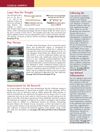 June 2017 in “Experimental dermatology”
 Skin has a larger surface area than thought, certain skin cells improve skin flap survival, better trials for skin conditions in children are needed, Stevens-Johnson syndrome rates vary by age and race, and better skin barrier function may reduce inflammation in the elderly.
January 1998 in “Boletín de la Asociación Andaluza de Bibliotecarios/Boletín de la Asociación Andaluza de Bibliotecarios” ADSC therapy is promising for antiaging skin treatment.
January 2021 in “International Journal of Research in Dermatology” Combination therapies are more effective for treating androgenetic alopecia than single treatments.
 18 citations
,
August 2017 in “PLOS ONE”
18 citations
,
August 2017 in “PLOS ONE” Skin and its underlying fat layer act together to resist mechanical stress, and reinforcing this composite structure may help more with anti-aging than just strengthening the skin alone.
August 2026 in “The Journal of Dermatology” dWAT actively supports hair growth by interacting with immune cells.
A high fat lard diet may protect against skin fibrosis and affect hair growth.
 April 2018 in “Journal of Investigative Dermatology”
 Macrophages are more involved in Lichen planopilaris than in Frontal fibrosing alopecia.
 6 citations
,
April 2022 in “Advanced Pharmaceutical Bulletin”
6 citations
,
April 2022 in “Advanced Pharmaceutical Bulletin” Cefazolin-loaded nanoparticles in nanofibers can help heal wounds and support regeneration.
 February 2024 in “Skin health and disease”
 Exosomes could improve skin and hair treatments but are limited by cost, production difficulty, and need for more research.
November 2015 in “Archivio Istituzionale della Ricerca (Universita Degli Studi Di Milano)” Platelet concentrates may help tissue regeneration and have potential for regenerative therapies.
1 citations
,
September 2019 in “DOAJ (DOAJ: Directory of Open Access Journals)” Using a person's own fat cells can help regrow hair after injury.
April 2026 in “Biomaterials and Biosystems” Combining exosomes with nanoparticles speeds up healing of diabetic pressure ulcers.
December 2025 in “Clinical Case Reports” The exosome injections were from stem cells and plants, not umbilical cords.
November 2025 in “Scientia Pharmaceutica” Injectable biostimulators can improve skin by boosting collagen and fat cell activity, but more research is needed to confirm their safety and effectiveness.
September 2025 in “Development” Nelfb is crucial for forming skin fat tissue by regulating genes needed for fat cell development.
7 citations
,
May 2025 in “Cells” Adipose tissue-derived therapies show promise for improving osteoarthritis symptoms but need more research for safety and effectiveness.
 437 citations
,
August 2014 in “Cell metabolism”
437 citations
,
August 2014 in “Cell metabolism” Turning white fat into brown-like fat could help fight obesity and type 2 diabetes.
 115 citations
,
December 2017 in “Wiley Interdisciplinary Reviews-Developmental Biology”
115 citations
,
December 2017 in “Wiley Interdisciplinary Reviews-Developmental Biology” Skin cells called dermal fibroblasts are important for skin growth, hair growth, and wound healing.
 23 citations
,
December 2017 in “Scientific Reports”
23 citations
,
December 2017 in “Scientific Reports” ARL15 is important for fat cell development and the release of the hormone adiponectin.
7 citations
,
April 2023 in “Biomedicines” Dihydrotestosterone boosts inflammation in fat cells more than testosterone.

Removing SIX1 in fat cells reduces skin fibrosis.
 1 citations
,
November 2018 in “bioRxiv (Cold Spring Harbor Laboratory)”
1 citations
,
November 2018 in “bioRxiv (Cold Spring Harbor Laboratory)” Signals from skin cells controlled by Rac proteins help turn certain precursor cells into white fat cells.
 218 citations
,
October 2013 in “Proceedings of the National Academy of Sciences of the United States of America”
218 citations
,
October 2013 in “Proceedings of the National Academy of Sciences of the United States of America” Mice lacking the PPARγ gene in their fat cells had almost no fat tissue, severe metabolic problems, and abnormal development of other fat-related tissues.
July 2025 in “Journal of Investigative Dermatology” Androgens reduce THY1 in skin cells, leading to less fat, more fibrosis, and worse healing in males.