 August 2022 in “International Journal of Health Sciences (IJHS) (En línea)”
 Oxidative stress is important in causing alopecia areata.
 March 2022 in “Journal of Clinical Case Studies Reviews & Reports”
 COVID-19 can cause or worsen skin conditions and might show early signs of infection.
 March 2022 in “Journal of clinical case studies reviews & reports”
 COVID-19 can cause different skin issues, including rashes and hair loss.
 February 2022 in “Programa de Iniciação Científica - PIC/UniCEUB - Relatórios de Pesquisa”
 PRP is more effective than Minoxidil for reducing hair loss and promoting hair growth.
 February 2022 in “Global academic journal of medical sciences”
 People with alopecia areata have much lower Vitamin-D levels than healthy individuals.
 April 2021 in “BMJ Case Reports”
 Accurate diagnosis of pseudolymphomatous folliculitis is crucial to avoid mistaking it for more serious conditions.
 September 2020 in “Journal of the turkish academy of dermatology”
 Some dermatology patients in Turkey use traditional medicine, with herbal remedies being most common, but these treatments can have mixed results and risks.
 June 2019 in “Journal of Aesthetic Nursing”
 The author now supports the JCCP's efforts to improve non-surgical aesthetic practices after initial skepticism.
 April 2019 in “University of Huddersfield Repository (University of Huddersfield)”
 Alopecia causes emotional distress, and better psychological support is needed.
 July 2018 in “British Journal of Dermatology”
 Mindfulness reduces anxiety and depression in skin disease patients; dermatologists and psychiatrists often lack confidence in treating psychodermatological conditions.
 December 2016 in “British Journal of Dermatology”
 The meeting highlighted the importance of genetic testing and multidisciplinary approaches in pediatric dermatology.
 September 2016 in “Princeton University Press eBooks”
 The document concludes that understanding health requires considering evolutionary perspectives on reproductive fitness, and recognizing the complexity of factors like diet, testosterone, and sexual orientation.

Off-label drug use can be risky but sometimes beneficial when standard treatments fail.
 March 2016 in “National Repository of Dissertations in Serbia”
 Dutasteride is more cost-effective than finasteride for treating benign prostatic hyperplasia in Montenegro.
 January 2015 in “Springer eBooks”
 Hair damage shows as fragility, dullness, and discoloration, varies by ethnicity, and is worsened by cosmetic procedures and diseases.
 January 2015 in “Hair therapy & transplantation”
 Hair restoration greatly improved George's confidence and self-identity.
 July 2013 in “British Journal of Dermatology”
 The document reviews key historical figures and discoveries in dermatology.
 November 2012 in “Actas Dermo-Sifiliográficas”
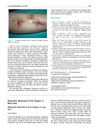
 An 86-year-old man had a rare tongue melanoma but refused treatment, showing the need for early cancer detection and treatment.
 June 2012 in “Springer eBooks”
 Skin changes can indicate starvation and nutritional deficiencies in anorexia nervosa.
 May 2012 in “The journal of nervous and mental disease”
 The book provides comprehensive information on Impulse Control Disorders but lacks definitive evidence for effective treatments.
 December 2011 in “The Diabetes Educator”
 The Blood Glucose Management Service improved patient safety and outcomes in managing blood sugar in hospitalized patients.
 July 2008 in “Baylor University Medical Center Proceedings”
 Global oil use will rise, US corn-to-ethanol policy is flawed, and various social and economic issues need attention.
 June 2007 in “Journal of The Royal Society for The Promotion of Health”
 Smoking doubles the risk of blindness, and physical exercise helps dyslexic children read better.
 December 2006 in “The Brown University Psychopharmacology Update”
 Second-generation antipsychotics offer no significant benefit over first-generation ones for schizophrenia.
 May 2002 in “British Journal of Dermatology”
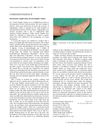
 A pregnant woman's skin condition improved after giving birth, possibly due to high estrogen levels during pregnancy.
 December 1992 in “Reviews in Medical Virology”
 The review concluded that restrictions on people with HIV/AIDS often violated their rights without proven effectiveness in stopping the virus, highlighting education as the best control method.

The document listed various medical job opportunities with competitive benefits and living conditions.
 January 1991 in “Journal of Pediatric Health Care”
 Hair loss in children can be caused by fungal infections, trauma, autoimmune disorders, or stress, and treatments vary depending on the cause.
 August 1988 in “Journal of the Royal Society of Medicine”
 Hyperbaric oxygen therapy shows promise for multiple sclerosis, but skepticism and funding issues limit tech use in clinics, and outdated single-drug cancer treatments may cause unnecessary side effects.
 January 1977 in “Case Reports in Medicine”
 Steroid cell tumors in the ovary are rare, can produce testosterone causing symptoms, and are mainly treated with surgery.