March 2024 in “Cosmetics” New regenerative techniques show promise for improving skin, healing wounds, and growing hair.
 January 2024 in “Authorea (Authorea)”
 Nanomaterials can significantly improve wound healing and future treatments may include smart, real-time monitoring.
 January 2024 in “Journal of Cosmetics, Dermatological Sciences and Applications”
 Injecting a peptide-hyaluronic acid mix improved hair growth in men with hair loss and was safe.
 November 2023 in “International Journal of Medical Sciences”
 New regenerative medicine-based therapies for hair loss look promising but need more clinical validation.
 November 2023 in “Materials Today Bio”
 Light therapy might help treat hereditary hair loss by improving hair follicle growth in lab cultures.
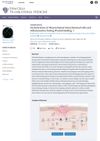 July 2023 in “Stem Cells Translational Medicine”
 Mesenchymal Stem/Stromal Cells (MSCs) help in wound healing and tissue regeneration, but can also contribute to tumor growth. They show promise in treating chronic wounds and certain burns, but their full healing mechanisms and potential challenges need further exploration.
 May 2023 in “Cytotherapy”
 Hair follicle and adipose cell vesicles both protect neurons and reduce inflammation similarly.
 January 2023 in “Springer eBooks”
 Using one's own blood platelets and fat can improve facial and hair appearance without surgery.
December 2021 in “Figshare” New therapies like JAK inhibitors and stem cells show promise for treating vitiligo.
April 2023 in “Chinese Medical Journal” Human hair follicle stem cells help repair tendon injuries.
 February 2023 in “Journal of Advanced Research”
 A new method using Platelet-rich Plasma (PRP) in a microneedle can promote hair regrowth more efficiently and is painless, minimally invasive, and affordable.
19 citations
,
August 2019 in “Journal of Cellular Biochemistry” ADSCs help protect skin from UV damage and aging.

Combining Nanofat with PRP is a safe and effective treatment for female pattern hair loss.
Higher levels of certain proteins in hair loss areas may help understand and treat hair loss.
61 citations
,
April 2021 in “Regenerative Biomaterials” 3D bioprinted hydrogel scaffolds with stem cells and nitric oxide help heal severe burns faster.
 40 citations
,
November 2019 in “Frontiers in Endocrinology”
40 citations
,
November 2019 in “Frontiers in Endocrinology” Metabolic Syndrome is linked to several skin conditions, and stem cell therapy might help treat them.
16 citations
,
February 2013 in “Molecular Medicine Reports” CD34+ cells from fat tissue help form hair follicles and blood vessels in skin.
8 citations
,
February 2021 in “Journal of Clinical Medicine” Hair follicle stem cells are promising for blood vessel formation and tissue repair.
6 citations
,
May 2023 in “International journal of molecular sciences” Collagen-enhanced mesenchymal stem cells significantly improve skin wound healing.
 4 citations
,
September 2021 in “Biomolecules”
4 citations
,
September 2021 in “Biomolecules” Using Platelet-Rich Plasma and Adipose-Derived Mesenchymal Stem Cells together can improve healing, including wound healing, bone regeneration, and hair growth.
May 2026 in “World Journal of Stem Cells” Low oxygen conditions improve the healing ability of older stem cells from fat tissue.
 July 2022 in “Plastic surgery and modern techniques”
 Using stem cell-enriched fat injections before hair transplant surgery can result in less hair loss and thicker hair.
 September 2016 in “Springer eBooks”
 Fat-derived stem cells may help treat skin aging and hair loss.
 January 2015 in “Springer eBooks”
 Fat-derived stem cells and their secretions show promise for treating skin aging and hair loss.
 316 citations
,
June 2017 in “Stem Cell Research & Therapy”
316 citations
,
June 2017 in “Stem Cell Research & Therapy” Fat tissue-derived cells show promise for repairing body tissues, but more research and regulation are needed for safe use.
 81 citations
,
December 2009 in “Journal of Dermatological Science”
81 citations
,
December 2009 in “Journal of Dermatological Science” Fat tissue stem cells may help increase hair growth.
52 citations
,
September 2017 in “Current Stem Cell Research & Therapy” Adipose-derived stem cells can help treat hair loss.
 31 citations
,
December 2014 in “Advances in Clinical and Experimental Medicine”
31 citations
,
December 2014 in “Advances in Clinical and Experimental Medicine” Stem cells could improve plastic surgery but are not widely used due to cost and safety concerns.
 30 citations
,
June 2017 in “Current stem cell research & therapy”
30 citations
,
June 2017 in “Current stem cell research & therapy” Adipose-derived stem cells (fat cells) show promise in treating hair loss in both men and women.
24 citations
,
November 2023 in “International Journal of Molecular Sciences” PRP and ADSC therapies show promise in improving symptoms of genital lichen sclerosus with minimal side effects.