 June 2026 in “Dermatology and Therapy”
 Ritlecitinib provides new treatment options for diverse alopecia areata patients.
 February 2026 in “Frontiers in Public Health”
 Alopecia areata is increasing globally, with disparities needing better prevention and support.
 February 2026 in “Journal of Drugs in Dermatology”
 Dupilumab helped a 13-year-old regrow hair after alopecia totalis.
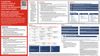 November 2025 in “SKIN The Journal of Cutaneous Medicine”
 Alopecia areata negatively affects self-esteem, relationships, and academics in young people.
227 citations
,
April 2023 in “The Lancet” Ritlecitinib effectively treats alopecia areata and is well-tolerated.
7 citations
,
July 2023 in “Immunotherapy” Ritlecitinib works well and is safe for treating alopecia areata.
 1 citations
,
July 2025 in “SKIN The Journal of Cutaneous Medicine”
1 citations
,
July 2025 in “SKIN The Journal of Cutaneous Medicine” Ritlecitinib is effective and safe for long-term treatment of alopecia areata.
1 citations
,
May 2022 in “British Journal of Dermatology” The instruments are valid but don't fully capture the emotional impact on adolescents with alopecia areata.
July 2026 in “American Journal of Clinical Dermatology” Oral JAK inhibitors help regrow hair in alopecia areata with manageable side effects.
 March 2026 in “American Journal of Clinical Dermatology”
 Ritlecitinib is effective and safe for long-term use in treating severe alopecia areata in people aged 12 and older.
November 2025 in “SKIN The Journal of Cutaneous Medicine” Ritlecitinib is effective long-term for treating alopecia areata in teens.
Children with alopecia areata often have low vitamin D, especially if they have darker skin, it's not summer, or they're not White.
 28 citations
,
December 2017 in “Journal of Investigative Dermatology Symposium Proceedings”
28 citations
,
December 2017 in “Journal of Investigative Dermatology Symposium Proceedings” Tofacitinib shows promise for treating severe hair loss in adults and teens, with many experiencing regrowth, but hair loss returns when treatment stops.
 22 citations
,
November 2021 in “Dermatology and Therapy”
22 citations
,
November 2021 in “Dermatology and Therapy” The AAPPO questionnaire is a reliable tool for assessing hair loss impact in alopecia areata patients.
 May 2026 in “Journal of Case Reports and Scientific Images”
 Homeopathic treatment and lifestyle changes helped a teen regrow hair lost to alopecia.
 February 2026 in “Clinical Cosmetic and Investigational Dermatology”
 Alopecia areata cases in children are rising, especially in females and low-income regions, with a projected increase in China and decrease in the USA.
 January 2021 in “Indian journal of sexually transmitted diseases and AIDS”
 A dermatologist helped identify syphilis in a teenager who only had hair loss.
 September 2023 in “Medicina Estética Revista Científica de la Sociedad Española de Medicina Estética (SEME)”
 The FDA approved Litfulo® for treating severe alopecia areata in people aged 12 and older.
 151 citations
,
August 2010 in “British Journal of Dermatology”
151 citations
,
August 2010 in “British Journal of Dermatology” Guidelines for diagnosing common hair loss include detailed history, clinical examination, and various diagnostic techniques.
1 citations
,
February 2025 in “Pediatric Dermatology” Tofacitinib helps hair regrow in some kids with severe alopecia areata, but more research is needed on long-term effects.
1 citations
,
November 2023 in “SKIN The Journal of Cutaneous Medicine”  1 citations
,
January 2019 in “Medical principles and practice”
1 citations
,
January 2019 in “Medical principles and practice” A boy's hair loss improved after tumor removal and vitamin D treatment, but hair loss returned despite normal vitamin D and no tumor regrowth.
 November 2025 in “SKIN The Journal of Cutaneous Medicine”
 Upadacitinib effectively treats severe alopecia areata and is safe.
 November 2025 in “SKIN The Journal of Cutaneous Medicine”
 Baricitinib helps regrow scalp, eyebrow, and eyelash hair in teens with severe alopecia areata.
7 citations
,
September 2024 in “The Journal of Dermatology” Ritlecitinib helps regrow hair in people with alopecia totalis and universalis and is safe to use.
January 2020 in “Medpluse International Journal of Anatomy” July 2025 in “Journal of the European Academy of Dermatology and Venereology” 83 citations
,
September 1993 in “Endocrinology and Metabolism Clinics of North America”  June 2026 in “Current Opinion in Pediatrics”
 Early, tailored assessment and treatment are crucial for adolescent hair loss, with promising new diagnostic and treatment options.