 6 citations
,
August 2009 in “Mini-reviews in Medicinal Chemistry”
6 citations
,
August 2009 in “Mini-reviews in Medicinal Chemistry” Different drugs can treat high male hormone levels in women, but they have various effects and some may harm a fetus.
 4 citations
,
January 2015 in “Endocrinology & metabolic syndrome”
4 citations
,
January 2015 in “Endocrinology & metabolic syndrome” Testosterone can cause acne and male-pattern baldness, affects hair growth in men and women, and makes male skin more sensitive.
 2 citations
,
June 2022 in “International Journal of Biomedicine”
2 citations
,
June 2022 in “International Journal of Biomedicine” The review suggests a comprehensive approach to treat hirsutism, focusing on hair removal, medication, and managing emotional effects.
 1 citations
,
January 2018 in “Journal of Gynecologic Surgery”
1 citations
,
January 2018 in “Journal of Gynecologic Surgery” Removing both ovaries can treat increased testosterone and related symptoms in postmenopausal women with ovarian hyperthecosis.
 1 citations
,
August 2013 in “Springer eBooks”
1 citations
,
August 2013 in “Springer eBooks” Birth control pills and anti-androgen medications help manage hair growth, acne, and hair loss in women with PCOS.
 1 citations
,
November 2025 in “Clinical Chemistry and Laboratory Medicine (CCLM)”
1 citations
,
November 2025 in “Clinical Chemistry and Laboratory Medicine (CCLM)” A new method accurately measures DHEAS in blood, improving on current tests.

Targeting androgen receptors in the skin is the most effective treatment for hyperandrogenism-related skin issues.
 August 2023 in “International journal of reproduction, contraception, obstetrics and gynecology”
 PCOS is common in young women, especially those aged 21-30, and often involves symptoms like irregular periods, weight gain, and acne.
 January 2020 in “Journal of South Asian Federation of Obstetrics and Gynaecology”
 Removing the ovaries can help treat hair loss caused by high androgen levels in postmenopausal women.
 November 2004 in “Medical Journal of Indonesia”
 Hormonal imbalances can cause skin and hair problems in women, and treatments that block male hormones can help.
 September 2002 in “Comprehensive Therapy”
 Primary care is key in managing PCOS, focusing on lifestyle changes and medications like birth control and metformin.
 March 2024 in “International journal of pharmaceutical sciences and drug research”
 Androgenetic alopecia is influenced by various factors and can be treated with medications, procedures, and non-drug methods.
 January 2022 in “International Research Journal of Ayurveda & Yoga”
 PCOS can be treated with Ayurvedic methods focusing on balancing body energies and improving digestion.
 July 2019 in “International journal of reproduction, contraception, obstetrics and gynecology”
 Obesity greatly affects polycystic ovarian syndrome, and losing weight should be the first treatment for obese patients to improve their chances of ovulation and pregnancy.
 January 2016 in “Springer eBooks”
 Pubertal acne is linked to hormonal changes, affects quality of life, and is treated similarly to adult acne.
 July 2015 in “Cambridge University Press eBooks”
 Androgens like testosterone affect skin health and can lead to conditions such as acne and hair loss, with various treatments available.
 253 citations
,
March 2006 in “The Journal of Clinical Endocrinology and Metabolism”
253 citations
,
March 2006 in “The Journal of Clinical Endocrinology and Metabolism” Exposure to too much androgen before birth might cause polycystic ovary syndrome later in life.
 97 citations
,
July 2006 in “Dermatologic therapy”
97 citations
,
July 2006 in “Dermatologic therapy” The document concludes that accurate diagnosis and personalized treatment are important for skin problems in women with PCOS.
 96 citations
,
February 2007 in “The Journal of Clinical Endocrinology & Metabolism”
96 citations
,
February 2007 in “The Journal of Clinical Endocrinology & Metabolism” Women with type 1 diabetes often have polycystic ovary syndrome and excess male hormones, which are frequently undiagnosed.
 94 citations
,
July 2020 in “European Journal of Human Genetics”
94 citations
,
July 2020 in “European Journal of Human Genetics” The guidelines ensure accurate genetic testing and reporting for 21-hydroxylase deficiency.
 50 citations
,
April 2000 in “Fertility and Sterility”
50 citations
,
April 2000 in “Fertility and Sterility” Diane 35 plus finasteride is more effective in reducing hair growth and androgen levels, but may decrease libido.
 40 citations
,
January 2003 in “Gynecological Endocrinology”
40 citations
,
January 2003 in “Gynecological Endocrinology” Finasteride effectively reduces hair growth in women with polycystic ovary syndrome or idiopathic hirsutism.
 7 citations
,
December 2014 in “Australasian journal of dermatology”
7 citations
,
December 2014 in “Australasian journal of dermatology” Insulin resistance is not more common in idiopathic hirsutism patients than in healthy individuals.
 3 citations
,
March 2018 in “Pediatric Dermatology”
3 citations
,
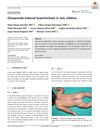
March 2018 in “Pediatric Dermatology” Two children grew extra hair from taking omeprazole, which went away after they stopped the medication.
 July 2020 in “International Journal of Research”
 High testosterone increases heart disease risk in women with PCOS.
 374 citations
,
May 2016 in “The Lancet. Diabetes & endocrinology”
374 citations
,
May 2016 in “The Lancet. Diabetes & endocrinology” Cushing's syndrome can cause serious health problems, and early treatment is crucial, but some issues may remain after treatment.
 173 citations
,
May 2001 in “Human reproduction update”
173 citations
,
May 2001 in “Human reproduction update” Oestrogens are key for bone growth during puberty in both boys and girls.
 115 citations
,
January 2001 in “American journal of clinical dermatology”
115 citations
,
January 2001 in “American journal of clinical dermatology” Eflornithine cream effectively reduces women's unwanted facial hair but hair returns if treatment stops.
 91 citations
,
May 2005 in “The Journal of Clinical Endocrinology & Metabolism”
91 citations
,
May 2005 in “The Journal of Clinical Endocrinology & Metabolism” A new mutation in the human glucocorticoid receptor reduces its function and causes resistance to glucocorticoids.
 82 citations
,
January 2000 in “Hormone Research in Paediatrics”
82 citations
,
January 2000 in “Hormone Research in Paediatrics” DHEA stimulates skin oil glands and could help postmenopausal women, with potential for acne and excessive hair growth treatments.