 October 2020 in “Medicine - Programa De Formación Médica Continuada Acreditado”
 Female hyperandrogenism is a condition caused by too much male hormones, leading to skin issues and ovulation problems, often due to Polycystic Ovary Syndrome, and is treated based on individual symptoms.
 April 2020 in “Journal of the Endocrine Society”
 An ovarian tumor caused a woman's male-like symptoms, which improved after surgery.
 January 2020 in “Przegla̧d dermatologiczny”
 The conclusion is that hirsutism in women can be managed with hair removal techniques, medications, and topical treatments.
July 2019 in “Journal of the ASEAN Federation of Endocrine Societies” The woman had a rare adrenal tumor removed, and she recovered well with no signs of the tumor returning.
April 2019 in “Journal of the Endocrine Society” A woman with Cushing's syndrome improved after surgery to remove an adrenal tumor.
 April 2019 in “Journal of the Endocrine Society”
 A woman's severe male-like symptoms were caused by a rare, benign tumor in her ovary that produced male hormones.
April 2019 in “Journal of the Endocrine Society” Rapid virilization should be checked for possible ovarian or adrenal cancer.
Measuring cortisol in hair can help assess adrenal function in asthmatic children using inhaled corticosteroids.
May 2018 in “Journal of Saidu Medical College Swat” Hirsutism in Afghan women varies by community, influenced by awareness, education, and socio-economic status.
August 2017 in “Journal of pediatric surgery case reports” A toddler with a rare adrenal gland tumor causing male-like physical changes was successfully treated with surgery.
February 2017 in “Faculty Opinions – Post-Publication Peer Review of the Biomedical Literature” Hair cortisol measurement is a promising, non-invasive tool for monitoring cortisol exposure over time.
 December 2016 in “University of Birmingham Institutional Research Archive (University of Birmingham)”
 Steroid-producing capabilities in certain cancers may contribute to treatment resistance.
 May 2016 in “Endocrine Abstracts”
 The removal of the adrenal tumor improved the patient's symptoms and reduced androgen levels, indicating successful surgery.
 January 2015 in “International Journal of Research in Medical Sciences”
 A patient with HAIR-AN syndrome, PCOS, and Hashimoto's thyroiditis improved with early diagnosis and treatment to prevent serious health problems.

The document concludes that hair loss in women can be treated with topical treatments or hormone therapy depending on the cause.
January 2011 in “The Journal of Secondary Vocational Education” Isotretinoin treatment in teens with acne can cause hormonal changes, leading to menstrual irregularity and increased hirsutism.
Trilostane generally improved symptoms in dogs with Cushing's syndrome, but dosage adjustments were needed over time.
March 2010 in “Gynecologic and Obstetric Investigation” Hirsutism in women can be a cosmetic issue or a sign of hormonal imbalance, treatable with hormonal and cosmetic methods.
 September 2009 in “Annales D Endocrinologie”
 DHEA supplementation may improve quality of life, neuropsychological functions, and sexual satisfaction in individuals with adrenal insufficiency, but more research is needed to confirm its safety and effectiveness.
October 2008 in “DOAJ (DOAJ: Directory of Open Access Journals)” A 20-month-old girl had a rare adrenal tumor removed successfully, with no recurrence for 10 years.
Hirsutism, often caused by PCOS, is treated with medication and weight loss is important for obese women with PCOS.
 October 2007 in “Postgraduate obstetrics & gynecology”
 Testosterone therapy can help postmenopausal women with low sexual desire but needs more safety research and should be used with estrogen therapy.
August 2004 in “Veterinary Dermatology” Adult-onset hair loss in Chesapeake Bay retrievers may be linked to abnormal adrenal hormone production.
 June 2003 in “Obstetrical & Gynecological Survey”
 After chemotherapy for a gestational trophoblastic tumor, normal pregnancy rates are possible, but there's a slightly higher risk of the tumor reoccurring in future pregnancies.
 June 2003 in “Obstetrical & Gynecological Survey”
 Postmenopausal ovary stromal cells have a unique makeup and limited steroid production, suggesting androgens come from the adrenal gland.
July 2002 in “Journal of applied cosmetology” Hair growth issues can be linked to genetics, diseases, or medications, and new treatments are being developed.
June 2002 in “Current obstetrics and gynaecology/Current obstetrics & gynaecology” Hirsutism, excessive hair growth in women, often caused by high androgen levels and polycystic ovary syndrome, can be treated with medication and weight management.
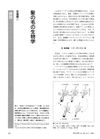 January 1998 in “KAGAKU TO SEIBUTSU”
 The document suggests that male hormones likely affect hair growth and baldness, and future treatments might involve stem cells and androgen-independent cells.
Antiandrogens and finasteride may help treat excess hair and hair loss in women.
November 1993 in “PubMed” Hirsutism, excessive male-pattern hair in women, can be caused by high androgens or skin sensitivity, diagnosed by testosterone levels, and treated with hair removal and hormone therapy.