14 citations
,
March 2018 in “The American journal of case reports” People with the same genetic mutation for Woodhouse-Sakati syndrome can have different symptoms.
 June 2023 in “British journal of dermatology/British journal of dermatology, Supplement”
 Two sisters with lipoedematous scalp suggest a genetic influence in the condition.
 106 citations
,
March 2013 in “Nature Communications”
106 citations
,
March 2013 in “Nature Communications” A new genetic region, 17q21.31, is linked to higher ovarian cancer risk.
 October 2025 in “Frontiers in Immunology”
 Platelet-rich plasma might help treat eczema by reducing inflammation and repairing the skin.
 19 citations
,
April 1995 in “Clinical Genetics”
19 citations
,
April 1995 in “Clinical Genetics” Two siblings were the first reported cases of inheriting both eye coloboma and loose anagen syndrome together.
4 citations
,
August 2024 in “International Journal of Molecular Sciences” EBGS reduces platelet adhesion, potentially helping prevent blood clots.
 3 citations
,
April 2012 in “Bioinformation”
3 citations
,
April 2012 in “Bioinformation” Two specific SNPs in the TRPS1 gene cause excessive hair growth by altering the protein's structure.
August 2024 in “American Journal of Medical Genetics Part A” Variants in the CCDC47 gene are linked to trichohepatoneurodevelopmental syndrome.
32 citations
,
April 2011 in “Journal of the American Academy of Dermatology” Erlotinib may cause scarring hair loss.
 115 citations
,
March 2019 in “Nature Communications”
115 citations
,
March 2019 in “Nature Communications” Frontal fibrosing alopecia is linked to four genetic areas, especially the HLA-B*07:02 allele.
81 citations
,
March 2006 in “Journal of Investigative Dermatology” Mutations in the DSG4 gene cause specific hair and scalp issues.
 May 2023 in “Sučasna pedìatrìâ. Ukraïna”
 An 11-year-old child with total hair loss may have a genetic autoimmune disease, and the outlook for hair regrowth is not good.
July 2020 in “Research Square (Research Square)” Higher BMI, IGF-1, and DHEAS levels are linked to advanced bone age in young Chinese girls with early breast development.

Early recognition and zinc treatment can effectively improve acrodermatitis symptoms.
 January 2024 in “Wiadomości Lekarskie”
 The ABI1 gene contributes to prostate cancer progression and treatment resistance.
The curly mutation in SELH/Bc mice affects hair and may help study human genetic disorders.
 2 citations
,
August 2025 in “Scientific Reports”
2 citations
,
August 2025 in “Scientific Reports” Pexidartinib often causes liver issues and fatigue, especially in women.
November 2024 in “Journal of Investigative Dermatology” Genetic changes in specific proteins contribute to hair loss in some women of African descent.
179 citations
,
June 2000 in “The American journal of pathology” The absence of functional sebaceous glands causes hair follicle destruction and scarring alopecia.
 January 2025 in “Turkish Journal of Cerebrovascular Diseases”
 CARASIL can cause different symptoms even with the same genetic mutation.
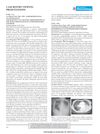 May 2025 in “The Journal of Rheumatology”
 Early recognition and a team approach are crucial for managing diffuse alveolar hemorrhage in antiphospholipid syndrome.
6 citations
,
April 2023 in “Current Issues in Molecular Biology” A specific gene variant may increase the risk of developing Alopecia Areata.
The document concludes that the girl's hairlessness is likely inherited from her parents.
 August 2015 in “MOJ proteomics & bioinformatics”
 ePUKs could be valuable for regenerative medicine due to their wound healing abilities.
 May 2021 in “Journal of the American College of Cardiology”
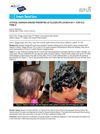
 An 11-year-old girl with Kawasaki disease experienced hair loss that improved after treatment.
 65 citations
,
March 2018 in “Journal of Dermatological Science”
65 citations
,
March 2018 in “Journal of Dermatological Science” Skin problems can be caused or worsened by physical forces and pressure on the skin.
 October 2024 in “Journal of the Endocrine Society”
 Certain genetic variants impair enzyme activity, contributing to non-classic congenital adrenal hyperplasia.
 4 citations
,
June 2014 in “The Journal of Dermatology”
4 citations
,
June 2014 in “The Journal of Dermatology” Elkonyxis, a rare nail condition, improved when patients stopped their nail-picking habits.
15 citations
,
August 1991 in “Histochemistry and Cell Biology” Enhancing Factor is found in growing tissues like young mouse intestines and skin but not in adults.
31 citations
,
July 2012 in “Journal of Lipid Research” ACBP is crucial for healthy skin in mice.