July 2011 in “Journal of Pediatric and Adolescent Gynecology” A 15-year-old girl has a skin condition causing blisters on her feet, likely inherited from her family.
 3 citations
,
August 2021 in “Research Square (Research Square)”
3 citations
,
August 2021 in “Research Square (Research Square)” The most common sign of aging at the gene level is more Ectodysplasin A2 Receptor (EDA2R) being made.
 115 citations
,
October 2009 in “The Journal of clinical endocrinology and metabolism/Journal of clinical endocrinology & metabolism”
115 citations
,
October 2009 in “The Journal of clinical endocrinology and metabolism/Journal of clinical endocrinology & metabolism” The research found that Atypical Progeroid Syndrome has unique symptoms and is not caused by the buildup of a certain mutant protein.
5 citations
,
October 2021 in “American Journal of Medical Genetics Part A” A new genetic variant causes BRESHECK syndrome by disrupting cell growth and stress response.
15 citations
,
November 2009 in “Journal of Comparative Pathology” Epidermolysis bullosa in calves was not caused by mutations in the keratin genes bKRT5 and bKRT14.
January 2007 in “Bristol Research (University of Bristol)” Epidermolysis bullosa in UK calves is not caused by mutations in keratin genes.
60 citations
,
March 2006 in “Journal of Medical Genetics” A mutation in the KRTHB5 gene causes hair and nail issues.
October 2020 in “Pediatrics in Review” The newborn was diagnosed with a rare skin disorder causing blisters, which requires careful wound care and family support.
11 citations
,
July 2010 in “European Journal of Dermatology” The condition is linked to chromosome 12, but no mutations were found in the known genes.
July 2024 in “Journal of Investigative Dermatology” Pediatric patients with dystrophic epidermolysis bullosa face more hospital admissions, procedures, and complications than others.
24 citations
,
February 2011 in “The American journal of pathology” AIRE protein, defective in APECED patients, is found in skin and hair cells and interacts with cytokeratin 17.
5 citations
,
February 2003 in “American Journal of Medical Genetics Part A” A chromosomal change may cause ectodermal dysplasia and developmental issues in a child.
 February 2026 in “Orphanet Journal of Rare Diseases”
 Most genetic mutations causing hypohidrotic ectodermal dysplasia in Russian patients are found in the EDA gene.
Genetic mutations linked to ectodermal dysplasias and hair loss were identified in Pakistani families.
 August 2025 in “International Journal of Research in Dermatology”
 Increasing zinc intake improved skin and hair symptoms in a rare genetic disorder.
 January 2025 in “Dermatology Reports”
 Early and accurate diagnosis is crucial for managing rare genetic disorders like this localized variant of junctional epidermolysis bullosa.
April 2016 in “Journal of Investigative Dermatology” Mutations in the TSPEAR gene cause a new form of ectodermal dysplasia affecting hair and tooth development.
 January 2026 in “Frontiers in Medicine”
 A child has a rare hair and skin disorder due to specific gene variants, suggesting broader genetic testing is needed.
3 citations
,
January 2020 in “The journal of investigative dermatology/Journal of investigative dermatology” Skin cells from people with Epidermolysis Bullosa Simplex have abnormally placed and less active mitochondria.
 21 citations
,
November 2009 in “Dermatologic Clinics”
21 citations
,
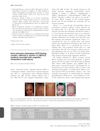
November 2009 in “Dermatologic Clinics” The document suggests that certain protein deficiencies and scalp blistering in Epidermolysis Bullosa may cause hair loss.
 11 citations
,
September 2011 in “British Journal of Dermatology”
11 citations
,
September 2011 in “British Journal of Dermatology” New ABCA12 gene mutations were linked to a skin condition with scaling and hair loss, and a treatment helped with hair loss in a related case.
32 citations
,
May 1986 in “Archives of Dermatology” The condition is likely inherited in an autosomal-dominant pattern.
 November 2022 in “Journal of Investigative Dermatology”
 Scientists developed a new way to study mutations in a skin condition using blood cells, which may help diagnose and treat the disease.
 30 citations
,
June 2014 in “Seminars in Immunology”
30 citations
,
June 2014 in “Seminars in Immunology” Future research on ectodysplasin should explore its role in diseases, stem cells, and evolution, and continue developing treatments for genetic disorders like hypohidrotic ectodermal dysplasia.
 February 2025 in “Journal of Investigative Dermatology”
 The ZIP13 variant is linked to abnormal hair quality.
1 citations
,
September 2022 in “European Journal of Dermatology” Gene sequencing is essential for diagnosing junctional epidermolysis bullosa.
 December 2023 in “American journal of medical genetics. Part A”
 A new syndrome was linked to two new genetic changes in the MBTPS1 gene in a 14-year-old girl.
 March 2026 in “Calcified Tissue International”
 The EDA pathway plays a key role in bone development by interacting with other signaling pathways.
1 citations
,
May 2022 in “International journal of molecular sciences” Faulty LEF1 activation causes faster skin cell differentiation in premature aging syndrome.
 1 citations
,
November 2017 in “Expert opinion on orphan drugs”
1 citations
,
November 2017 in “Expert opinion on orphan drugs” Scientists now better understand the genetics of hypohidrotic ectodermal dysplasia, leading to more accurate diagnoses and potential new treatments.