 5 citations
,
February 2015 in “Dermatologic Surgery”
5 citations
,
February 2015 in “Dermatologic Surgery” Two cases of a rare skin condition were successfully treated with laser therapy, offering a non-surgical treatment option.
November 2025 in “JDDG Journal der Deutschen Dermatologischen Gesellschaft” Restoring phenylalanine levels improved skin and hair symptoms in a PKU infant.
January 2013 in “Frontiers in Immunology” Parental uveitis increases offspring's risk and severity of autoimmune eye disease.
 37 citations
,
April 2010 in “FEBS Letters”
37 citations
,
April 2010 in “FEBS Letters” The study concludes that the EDA2R gene is activated by p53 during chemotherapy but is not necessary for chemotherapy-induced hair loss.
 5 citations
,
June 2023 in “Engineering Technology & Applied Science Research”
5 citations
,
June 2023 in “Engineering Technology & Applied Science Research” The AI model accurately classifies Alopecia Areata with 96.94% accuracy.
May 2015 in “Journal of the Egyptian Women's Dermatologic Society /Journal of the Egyptian Women's Dermatologic Society”  19 citations
,
February 2015 in “Contact dermatitis”
19 citations
,
February 2015 in “Contact dermatitis” Avoiding certain fragrances improved the man's skin condition.
 5 citations
,
April 2013 in “Nasza Dermatologia Online”
5 citations
,
April 2013 in “Nasza Dermatologia Online” Oral zinc therapy is effective for treating acrodermatitis enteropathica.
1 citations
,
February 2013 in “InTech eBooks” LEKTI is crucial for skin barrier and immune function, affecting conditions like Netherton syndrome and atopic dermatitis.
13 citations
,
April 2020 in “European Journal of Dermatology” Apremilast showed mixed results for treating severe alopecia areata.
1 citations
,
May 2022 in “International journal of molecular sciences” Faulty LEF1 activation causes faster skin cell differentiation in premature aging syndrome.
September 2019 in “Journal of Investigative Dermatology” PCE-DP brightens skin and promotes hair growth by enhancing cell growth and reducing melanin uptake.
June 2017 in “Journal of the American Academy of Dermatology” The new cream is safe and effective for mild to moderate atopic dermatitis.
July 2021 in “British Journal of Dermatology” The boy's genetic diagnosis of ectodermal dysplasia helped improve management and counseling for him and his sister.
25 citations
,
April 2008 in “Clinical and experimental dermatology” EFFC might be common but underreported.
 8 citations
,
March 2019 in “Drugs - Real World Outcomes”
8 citations
,
March 2019 in “Drugs - Real World Outcomes” Healthcare claims databases can help monitor drug safety, but may report adverse events differently than direct surveillance.
 August 1994 in “Molecular Endocrinology”
 Changing protein kinase levels in pituitary cells affects calcium flow and beta-endorphin release.
May 2024 in “Journal of the Egyptian Womenʼs Dermatologic Society” Diphenylcyclopropenone is effective and safe for treating severe alopecia areata in children, with maintenance therapy reducing relapse risk.
Integrating ABI screening in clinics can improve patient care for those at risk of peripheral artery disease.
 2 citations
,
March 2016 in “The Journal of Dermatology”
2 citations
,
March 2016 in “The Journal of Dermatology” The Facial Psoriasis Log-based Area and Severity Index is a more effective way to measure improvements in facial psoriasis than the traditional method.
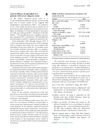 23 citations
,
September 2017 in “Journal of the American Academy of Dermatology”
23 citations
,
September 2017 in “Journal of the American Academy of Dermatology” Apremilast did not work for treating severe alopecia areata.
 May 2025 in “The Journal of Rheumatology”
 Antiphospholipid syndrome can severely damage adrenal glands, requiring early diagnosis and treatment.
 2 citations
,
June 2024 in “Frontiers in Plant Science”
2 citations
,
June 2024 in “Frontiers in Plant Science” LLPS is crucial for RALF signaling, aiding plant growth and stress resilience.
 7 citations
,
April 2009 in “Bioorganic & Medicinal Chemistry Letters”
7 citations
,
April 2009 in “Bioorganic & Medicinal Chemistry Letters” Diphenyl ethers can potentially reduce excess oil production when applied on the skin, helping treat conditions like acne.
 2 citations
,
February 2023 in “Journal of the American Academy of Dermatology”
2 citations
,
February 2023 in “Journal of the American Academy of Dermatology” People with autism are more likely to develop alopecia areata than those without autism.
32 citations
,
May 2018 in “The Plant Cell” ERULUS is crucial for root hair growth by controlling calcium levels.
 107 citations
,
August 2002 in “Journal of Neurology, Neurosurgery, and Psychiatry”
107 citations
,
August 2002 in “Journal of Neurology, Neurosurgery, and Psychiatry” Women with epilepsy should be monitored for reproductive issues, which can be caused by epilepsy or its treatments, especially when using valproate.
Accurate diagnosis of hair loss types is crucial for effective treatment.
 3 citations
,
January 2021 in “Journal of The American Academy of Dermatology”
3 citations
,
January 2021 in “Journal of The American Academy of Dermatology” Different types of atopic dermatitis were linked to specific genetic and immune changes, suggesting that severe cases might need stronger immune-targeting treatments.
 April 2026 in “Zenodo (CERN European Organization for Nuclear Research)”
 Post-Exposure Syndromes are persistent conditions caused by past exposures, needing unique interventions.