 September 2023 in “Medicine”
 Herbal extract spray improved hair growth in a man with hair loss.
7 citations
,
December 2023 in “International Journal of Molecular Sciences” Forsythiaside A helps protect cells and liver from damage by reducing oxidative stress and boosting antioxidants.
142 citations
,
November 2009 in “BMC Complementary and Alternative Medicine” Tridax procumbens significantly lowers blood sugar in diabetic rats.
 September 2024 in “Advanced Biomedical Research”
 Chick embryo extract helps rat hair follicle stem cells become more like neurons.
 April 2023 in “Research Society and Development”
 Corticosteroids are safe and effective for treating Alopecia Areata.
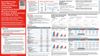 November 2025 in “SKIN The Journal of Cutaneous Medicine”
 Baricitinib works better in adolescents than adults for treating severe alopecia areata.
 August 2023 in “Journal of Investigative Dermatology”
 Ganoderma lucidum extract and its component, ganoderic acid A, may effectively prevent hair loss.
Fenugreek seeds and Butea monosperma flowers may help reduce hair loss from chemotherapy.
May 2011 in “Utrecht University Repository (Utrecht University)” The nicotinamide supplement did not reduce symptoms in horses with insect bite hypersensitivity.
January 2019 in “Egyptian Journal of Dermatology and Venereology /Egyptian Journal of Dermatology and Venerology” Mixing calcipotriol with a steroid is almost as effective as using a steroid alone for alopecia areata and has fewer side effects.
 11 citations
,
October 2018 in “Pediatric dermatology”
11 citations
,
October 2018 in “Pediatric dermatology” Leflunomide and anthralin may effectively treat severe alopecia areata.
1 citations
,
March 2023 in “Portuguese Journal of Dermatology and Venereology” Cannabis might help hair regrowth in alopecia areata.
 17 citations
,
December 2015 in “BMC Complementary and Alternative Medicine”
17 citations
,
December 2015 in “BMC Complementary and Alternative Medicine” A new plant extract from Avicennia marina could potentially be used to treat common hair loss.
36 citations
,
January 2010 in “International Journal of Trichology” Intralesional steroids can help regrow hair in some alopecia areata patients but have side effects.
The plant extract helped increase hair growth in men without severe side effects.
12 citations
,
December 1951 in “Experimental Biology and Medicine” Liver in the diet reduces cortisone acetate toxicity effects in rats.
3 citations
,
July 2022 in “Brain and Behavior” The HtrA1L364P mutation causes brain dysfunction and blood vessel damage.
14 citations
,
January 2015 in “Annals of dermatology/Annals of Dermatology” Corticosteroid pulse therapy is more effective for severe alopecia areata than combination therapy.
 July 2024 in “International Journal of Pharmaceutical Sciences and Medicine”
 Nyctanthes arbor-tristis is effective for treating many health issues.
Baricitinib helps regrow hair in teens with severe alopecia areata.
24 citations
,
June 2021 in “Annals of Translational Medicine” Human placental extract may help treat osteoarthritis, but more research is needed.
 October 2023 in “Journal of the American Academy of Dermatology”
 Clascoterone cream could be used for other skin conditions affected by hormones.
Thai plant extracts, especially Avicennia marina, can promote hair growth by inhibiting certain enzymes and boosting growth factors.
 May 2023 in “International Journal of Trichology”
 A witch-hazel-based 5% minoxidil solution is effective and safe for women with hair loss who didn't respond to regular minoxidil, especially if they're sensitive to propylene glycol.
1 citations
,
March 2021 in “Korean Journal of Clinical Laboratory Science” The extract promoted hair growth without significant toxicity.
 November 2023 in “Deleted Journal”
 Cedrus libani has potential medicinal uses but needs more safety studies.
 5 citations
,
January 2011 in “Korean Journal of Pharmacognosy”
5 citations
,
January 2011 in “Korean Journal of Pharmacognosy” Fermented Cornus officinalis promotes hair growth better than minoxidil.
 May 2024 in “Journal of cosmetic dermatology”
 Heat-treated Limosilactobacillus fermentum with menthol, salicylic acid, and panthenol promotes hair growth and balances scalp microbiome in people with androgenetic alopecia.
 September 2022 in “The American journal of dermatopathology/American journal of dermatopathology”
 A patient with a thick scalp and hair loss was correctly diagnosed with alopecia areata and a thick scalp fat layer, not lipedematous alopecia, and regrew hair after treatment.