 155 citations
,
September 2008 in “British journal of dermatology/British journal of dermatology, Supplement”
155 citations
,
September 2008 in “British journal of dermatology/British journal of dermatology, Supplement” FFA is more common in postmenopausal women, can affect younger women, and may stabilize over time.
3 citations
,
August 2024 in “Skin Research and Technology” LC-OCT can help identify lupus-related scarring hair loss by spotting unique features.
 23 citations
,
September 2019 in “Journal of The American Academy of Dermatology”
23 citations
,
September 2019 in “Journal of The American Academy of Dermatology” Tofacitinib and oral minoxidil together effectively regrow hair in severe alopecia areata patients.
 December 2013 in “Faculty Opinions – Post-Publication Peer Review of the Biomedical Literature”
 Flutamide, an oral anti-androgen therapy, is effective in treating female pattern hair loss, even without systemic androgen excess.
January 2016 in “Indian dermatology online journal” Frontal fibrosing alopecia causes hair loss at the front hairline, and no effective treatment exists.
20 citations
,
September 2003 in “Journal of Investigative Dermatology” Targeting MIG and MCP-1 may help treat inflammation in alopecia areata.
 24 citations
,
July 2017 in “Structure”
24 citations
,
July 2017 in “Structure” FGF9 controls which receptors it binds to through a process where two FGF9 molecules join, and changes in FGF9 can lead to incorrect receptor activation.
 September 2021 in “CRC Press eBooks”
 CCCA is a common hair loss condition in African American women, often inherited and influenced by hairstyling, with unique scalp features detectable by special tools.
4 citations
,
August 2023 in “Biomedicine & Pharmacotherapy” Ivacaftor can protect against noise-induced hearing loss by reducing oxidative stress.
 June 2026 in “Pathology & Oncology Research”
 Scalp cooling helps prevent hair loss during certain breast cancer treatments, especially when anthracyclines aren't used.
 1 citations
,
July 2018 in “Elsevier eBooks”
1 citations
,
July 2018 in “Elsevier eBooks” FAPD and possibly CCCA may be AGA subtypes, and treatments combining antiandrogens, hair growth agents, hair transplants, and anti-inflammatories could be effective.
November 2024 in “Dermatology and Therapy” Dermatologists should carefully choose treatments for FFA to avoid worsening the condition.
 1 citations
,
April 2017 in “Journal of Investigative Dermatology”
1 citations
,
April 2017 in “Journal of Investigative Dermatology” Tofacitinib may slow hair loss in scarring alopecias but is unlikely to regrow significant hair.
 1 citations
,
January 2021 in “Research Square (Research Square)”
1 citations
,
January 2021 in “Research Square (Research Square)” The AndroCoV Clinical Scoring is an accurate, easy, and free way to diagnose COVID-19 without a lab test.
60 citations
,
July 2014 in “Autophagy” The protein FLCN is involved in cellular cleanup and is regulated by ULK1.
45 citations
,
March 2020 in “International Journal of Nanomedicine” Clove essential oil nanoemulgel effectively reduces skin inflammation and is a promising alternative to traditional anti-inflammatory drugs.
 May 2024 in “European Journal of Immunology”
 Vitamin B5 and coenzyme A may help regulate the immune system and could improve treatments for chronic diseases and cancer.
 June 2022 in “Frontiers in Immunology”
 Tofacitinib regrew hair in a man with total hair loss but raised cytokine levels, needing more research on possible side effects.
38 citations
,
September 2017 in “Journal of zoo and wildlife medicine” Oclacitinib maleate successfully treated alopecia in Andean bears.
 238 citations
,
November 2016 in “Journal of The American Academy of Dermatology”
238 citations
,
November 2016 in “Journal of The American Academy of Dermatology” Tofacitinib is effective and safe for severe hair loss, but full regrowth is less likely after 10 years of hair loss.
 33 citations
,
April 2011 in “Journal of Veterinary Internal Medicine”
33 citations
,
April 2011 in “Journal of Veterinary Internal Medicine” Long-term fluticasone treatment does not harm the immune system in horses with heaves.
 September 2025 in “Journal of the Pakistan Medical Association”
 Tofacitinib effectively and safely promotes hair regrowth in alopecia patients.
 July 2025 in “Journal of Cosmetic Dermatology”
 Alternative treatments are needed when Tofacitinib alone fails for alopecia areata.
 August 2025 in “Scientific Electronic library online (Sciences Carlos III Health Institute)”
 Tofacitinib can help regrow hair in about 50% of people with moderate-severe alopecia areata.
 April 2025 in “Frontiers in Immunology”
 Tofacitinib effectively regrows hair in alopecia areata but may need continuous use.
 33 citations
,
June 2012 in “Journal of Crohn's and colitis”
33 citations
,
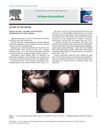
June 2012 in “Journal of Crohn's and colitis” Alopecia Areata might be linked to Crohn's disease.
14 citations
,
January 2015 in “Annals of dermatology/Annals of Dermatology” Corticosteroid pulse therapy is more effective for severe alopecia areata than combination therapy.

Infliximab was effective in treating a scalp condition that did not respond to other treatments.
 25 citations
,
June 2018 in “Journal of The American Academy of Dermatology”
25 citations
,
June 2018 in “Journal of The American Academy of Dermatology” Genes linked to fibrosis are more active in people with central centrifugal cicatricial alopecia.
 August 2025 in “Journal of IMAB - Annual Proceeding (Scientific Papers)”
 The A-T advancement flap is a safe and effective method for scalp reconstruction after basal cell carcinoma removal.