79 citations
,
January 2002 in “Nucleic Acids Research” BMP-2 activates the Dlx3 gene in mouse skin cells, important for hair and skin development.
 6 citations
,
January 2019 in “Medical Hypotheses”
6 citations
,
January 2019 in “Medical Hypotheses” Frontal Fibrosing Alopecia might be an autoimmune disease.
 96 citations
,
June 2017 in “Nature Communications”
96 citations
,
June 2017 in “Nature Communications” A WNT10A gene mutation leads to ectodermal dysplasia by disrupting cell growth and differentiation.
April 2023 in “Journal of Investigative Dermatology” AL136131.3 slows hair growth by affecting energy processes in hair loss.
 12 citations
,
March 2018 in “Anais brasileiros de dermatologia/Anais Brasileiros de Dermatologia”
12 citations
,
March 2018 in “Anais brasileiros de dermatologia/Anais Brasileiros de Dermatologia” A patient had both chronic cutaneous lupus erythematosus and frontal fibrosing alopecia.
 November 2022 in “The journal of investigative dermatology/Journal of investigative dermatology”
 Researchers made a detailed map of gene activity for different parts of human hair follicles to help create targeted hair disorder treatments.
 2 citations
,
June 2023 in “Journal of cell science”
2 citations
,
June 2023 in “Journal of cell science” Mutations in iRhom2 affect hair and skin in mice and are linked to esophageal cancer, with ADAM17 playing a crucial role.
 2 citations
,
August 2023 in “Development”
2 citations
,
August 2023 in “Development” Hair follicles in the back of the rosette fancy mouse have reversed orientations due to a gene mutation.
 July 2012 in “European journal of cancer”
 MPA increases cancer spread by boosting Eph A2 activity.
November 2025 in “BMC Genomics” Wrinkled skin in Xiang pigs is linked to gene changes related to oxidative stress and the extracellular matrix.
2 citations
,
September 1998 in “Der Hautarzt” A gene mutation causes a rare hereditary hair loss, offering potential for new treatments.
The balance between cell renewal and differentiation controls the growth of cancerous cells in mouse skin.
 1 citations
,
September 2023 in “Acta dermato-venereologica”
1 citations
,
September 2023 in “Acta dermato-venereologica” Certain genetic variants are linked to frontal fibrosing alopecia in Spanish patients.
 February 2022 in “Research Square (Research Square)”
 High TSPEAR levels in colorectal cancer predict worse outcomes.
5 citations
,
April 2022 in “Cell Biology International” JAM-A modification speeds up skin wound healing by boosting fibroblast growth.
193 citations
,
June 2007 in “The Plant Journal” GhDET2 is crucial for cotton fiber growth.
 139 citations
,
November 2016 in “Journal of the American Academy of Dermatology”
139 citations
,
November 2016 in “Journal of the American Academy of Dermatology” Tofacitinib helped regrow hair in most adolescents with alopecia areata, but more research is needed.
March 2026 in “Experimental Dermatology” The new model helps understand and develop treatments for genetic skin disorders like AEC.
 9 citations
,
January 2020 in “Postepy Dermatologii I Alergologii”
9 citations
,
January 2020 in “Postepy Dermatologii I Alergologii” Frontal fibrosing alopecia is a poorly understood condition with increasing cases and unclear treatment effectiveness.
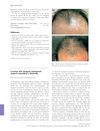 13 citations
,
February 2007 in “British Journal of Dermatology”
13 citations
,
February 2007 in “British Journal of Dermatology” EF and PXE not closely related.
 April 2023 in “Journal of Investigative Dermatology”
 Krox20 (Egr2) is important for the function of epithelial stem cells.
49 citations
,
October 1989 in “Genomics” Type I keratin genes are closely linked to the rex locus on mouse chromosome 11, affecting hair development.
 April 2019 in “The journal of investigative dermatology/Journal of investigative dermatology”
 Machine learning can predict how well patients with alopecia areata will respond to certain treatments.
 7 citations
,
March 2022 in “Scientific reports”
7 citations
,
March 2022 in “Scientific reports” Removing anthrax toxin receptor 1 in pigs prevents Senecavirus A infection and causes a rare disease similar to GAPO syndrome.
 January 2024 in “Theranostics”
 HDAC6 helps keep ovarian follicles dormant, extending female fertility.
May 2026 in “Journal of Human Immunity” Ruxolitinib reduced inflammation and improved symptoms in APECED patients but may cause anemia and weight gain.
 January 2020 in “Clinical Case Reports and Reviews”
 Lupus and frontal fibrosing alopecia may share a common cause.
86 citations
,
December 2002 in “Tissue Antigens” A specific gene change is linked to severe hair loss.
1 citations
,
October 2020 in “Research Square (Research Square)” Abnormal Wnt signaling in hair follicle stem cells can lead to acne-like cysts.
59 citations
,
November 2011 in “Development” Trps1 is essential for proper hair follicle development.