 7 citations
,
April 2009 in “Bioorganic & Medicinal Chemistry Letters”
7 citations
,
April 2009 in “Bioorganic & Medicinal Chemistry Letters” Diphenyl ethers can potentially reduce excess oil production when applied on the skin, helping treat conditions like acne.
 24 citations
,
June 2016 in “Acta dermato-venereologica”
24 citations
,
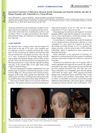
June 2016 in “Acta dermato-venereologica” Tofacitinib helped a young woman's severe hair loss and arthritis but not her plaque psoriasis.
2 citations
,
January 2023 in “Anais Brasileiros de Dermatologia” 25 citations
,
September 2005 in “Journal of Investigative Dermatology Symposium Proceedings” Adding zinc to pyrithione zinc improves its effectiveness against scalp conditions like dandruff.
November 2025 in “Contact Dermatitis” Avoiding salicylates improved skin issues and stabilized hair loss in a woman with frontal fibrosing alopecia.
 September 2023 in “Çukurova medical journal (Online)/Çukurova medical journal”
 EZH2 levels decrease as fetuses develop and are higher in adult skin, which may affect skin growth and repair.
 May 2017 in “Journal of The American Academy of Dermatology”
 The treatment increased hair follicle counts and is potentially effective for male hair loss without serious side effects.
27 citations
,
October 2020 in “Drugs” Clascoterone cream was approved in the USA for treating acne in people aged 12 and older.
25 citations
,
April 2010 in “Clinical and Experimental Dermatology” Erlotinib can cause hair loss and scalp issues, which improve after stopping the drug.
 27 citations
,
May 2010 in “Dermatologic Clinics”
27 citations
,
May 2010 in “Dermatologic Clinics” Zinc can be a helpful secondary treatment for certain skin conditions, but more research is needed to guide its use.
 May 2023 in “International Journal of Trichology”
 Tofacitinib effectively treated severe hair loss in a patient who didn't respond to other treatments.
4 citations
,
February 2025 in “Molecular Medicine” 5-aminolevulinic acid therapy reduces acne by decreasing fat production in skin cells.
A hair growth ointment improved hair length in a family with a genetic hair growth condition.
12 citations
,
July 2023 in “Journal of the European Academy of Dermatology and Venereology” Upadacitinib improved Crohn's disease, atopic dermatitis, and alopecia areata in one patient.
 43 citations
,
August 2016 in “International Journal of Nanomedicine”
43 citations
,
August 2016 in “International Journal of Nanomedicine” Eupafolin nanoparticles help protect skin cells from damage caused by air pollution.
Low-dose sorafenib can cause severe facial acne, treatable with topical medication.
 9 citations
,
August 2018 in “JAAD Case Reports”
9 citations
,
August 2018 in “JAAD Case Reports” Tofacitinib can temporarily improve hair growth in alopecia universalis, but its effectiveness may decrease over time.
20 citations
,
August 2023 in “Saudi Pharmaceutical Journal” Niosomes can effectively deliver cetirizine topically for treating alopecia.
 17 citations
,
August 2002 in “Dermatologic Surgery”
17 citations
,
August 2002 in “Dermatologic Surgery” Fluridil safely promotes hair growth in men with androgenetic alopecia.
 July 2025 in “Russian Journal of Clinical Dermatology and Venereology”
 Tofacitinib may help hair regrowth in familial alopecia areata with immune issues, but more research is needed.
8 citations
,
January 2017 in “Indian dermatology online journal” Traumatic anserine folliculosis is a skin condition caused by friction, treatable with topical cream and avoiding trauma.
April 2021 in “Journal of Investigative Dermatology”  August 2021 in “Case Reports”
 A woman thought to have rosacea was actually suffering from Frontal Fibrosing Alopecia, a hair loss condition. Despite treatment, her condition didn't change, showing the importance of accurate early diagnosis.
 October 2023 in “Open Repository of the University of Porto (University of Porto)”
 Pharmacists play a key role in health education and managing treatments for conditions like hair loss and smoking cessation.
8 citations
,
March 2010 in “Chinese medical journal/Chinese Medical Journal” Malassezia infection may cause refractory acne, and antifungal treatments can help.
 1 citations
,
May 2014 in “European Journal of Inflammation”
1 citations
,
May 2014 in “European Journal of Inflammation” A lotion with minoxidil, hydrocortisone butyrate, and 17a-estradiol can improve or stabilize Frontal Fibrosing Alopecia in some cases, but there's no universally-accepted treatment yet.
6 citations
,
January 2008 in “PubMed”  August 2023 in “Jurnal Pharmacia Mandala Waluya”
 Albizia saponaria bark extract at 20% concentration promotes hair growth in rabbits.
 April 2018 in “The journal of investigative dermatology/Journal of investigative dermatology”
 Androgens increase growth factors in skin cells, which may lead to acne.
 5 citations
,
January 2021 in “Journal of Cosmetic Dermatology”
5 citations
,
January 2021 in “Journal of Cosmetic Dermatology” Topical cetirizine 1% promotes hair growth in male androgenetic alopecia patients.