 2 citations
,
April 2023 in “JEADV. Journal of the European Academy of Dermatology and Venereology/Journal of the European Academy of Dermatology and Venereology”
2 citations
,
April 2023 in “JEADV. Journal of the European Academy of Dermatology and Venereology/Journal of the European Academy of Dermatology and Venereology” JAK-inhibitors for alopecia areata are generally safe with mostly mild side effects and a low rate of treatment withdrawal.
19 citations
,
November 1979 in “Archives of dermatology” Tretinoin may be effective for treating Fox-Fordyce disease.
Isotretinoin and tazarotene help treat acne, while minoxidil and finasteride promote hair growth.
46 citations
,
April 1982 in “Journal of the American Academy of Dermatology” Isotretinoin shrinks sebaceous glands without affecting hair or skin color, unlike etretinate.
Combining bromelain with finasteride improves hair regrowth and reduces inflammation in alopecia.
 8 citations
,
January 2019 in “Annals of Dermatology”
8 citations
,
January 2019 in “Annals of Dermatology” Bilobetin may help reduce acne by decreasing sebum production.
8 citations
,
July 2020 in “Dermatologic Therapy” Tofacitinib may effectively treat folliculitis decalvans.
 August 2002 in “Dermatologic Surgery”
 Fluridil safely promotes hair growth in men with androgenetic alopecia.
4 citations
,
October 1993 in “Journal of the American Academy of Dermatology” Azelaic acid's effectiveness in treating certain skin conditions needs more research.
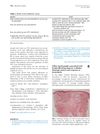 32 citations
,
September 2017 in “Journal of the American Academy of Dermatology”
32 citations
,
September 2017 in “Journal of the American Academy of Dermatology” Oral isotretinoin effectively treats yellow facial papules in frontal fibrosing alopecia patients.
 1 citations
,
July 2024 in “Journal of the European Academy of Dermatology and Venereology”
1 citations
,
July 2024 in “Journal of the European Academy of Dermatology and Venereology” Oral dutasteride is effective and safe for treating frontal fibrosing alopecia.
 April 2026 in “Frontiers in Medicine”
 Upadacitinib effectively treats psoriasis and lichen planus together.
 March 2026 in “International Journal of Dermatology and Venereology”
 Abrocitinib significantly improved hair regrowth in adolescents with alopecia areata without serious safety issues.
September 2017 in “Zenodo (CERN European Organization for Nuclear Research)” Liquorice extract may help treat acne by reducing sebum production.
 3 citations
,
August 2025 in “Frontiers in Pharmacology”
3 citations
,
August 2025 in “Frontiers in Pharmacology” Oral JAK inhibitors are safe for alopecia areata, but baricitinib may cause more acne and infections.
5 citations
,
May 2024 in “Journal of Allergy and Clinical Immunology Global” Upadacitinib effectively improved severe atopic dermatitis and alopecia universalis in a 29-year-old man.
April 2015 in “Our Dermatology Online” Zinc supplements and diet changes can effectively treat zinc deficiency and prevent complications.
 August 2025 in “Nutrients”
 Ageratum conyzoides extract promotes hair growth and regrowth.
1 citations
,
April 2025 in “Skin Health and Disease” Combining delgocitinib ointment with excimer laser can effectively treat severe alopecia areata.
 June 2023 in “Brazilian Journal of Case Reports”
 Botulinum Toxin Type A delivered through the skin may be a promising treatment for Frontal Fibrosing Alopecia.
December 2023 in “Reactions weekly” December 2023 in “Reactions weekly” September 2013 in “Reactions weekly”  September 2025 in “Clinical Cosmetic and Investigational Dermatology”
 Kūlaris improved quality of life for acne sufferers without side effects.
September 2023 in “Journal of the American Academy of Dermatology” Current guidelines may overlook beard and sideburn involvement in diagnosing frontal fibrosing alopecia in men.
 August 1986 in “Journal of The American Academy of Dermatology”
 Minoxidil showed a 30% success rate for hair growth in a study, and various skin treatments were effective, but some had limitations or side effects.
 April 2023 in “Journal of Investigative Dermatology”
 Being allergic to linalool, a common fragrance ingredient, might contribute to developing frontal fibrosing alopecia.
 1 citations
,
April 2019 in “Journal of Investigative Dermatology”
1 citations
,
April 2019 in “Journal of Investigative Dermatology” VB1953 gel significantly reduced acne and resistant bacteria in patients who didn't respond to clindamycin.
 December 2023 in “Acta dermato-venereologica”
 Tofacitinib is effective for treating alopecia areata, and starting treatment early may improve results.
4 citations
,
June 2017 in “Annales de dermatologie et de vénéréologie” The study found that a specific type of hair loss is increasingly common in premenopausal women and can be effectively diagnosed and treated with various medications.