 6 citations
,
January 2016 in “International Journal of Trichology”
6 citations
,
January 2016 in “International Journal of Trichology” The conclusion is that more hair loss (androgenetic alopecia) is linked to larger prostate size, suggesting hair loss could be an early sign of benign prostatic hyperplasia.
 4 citations
,
November 2005 in “The Journal of Urology”
4 citations
,
November 2005 in “The Journal of Urology” Large prostates link to more hair loss.
 September 2010 in “European Urology Supplements”
 Higher urethral PSA levels after prostate removal surgery may be linked to more hair loss and higher PSA levels post-surgery.
November 2020 in “UNC Libraries” Seven new genetic risk areas for prostate cancer were found.
PLX, a tomato extract mix, may help treat prostate issues like BPH.
November 2011 in “Nature Clinical Practice Urology” 5ARIs effectively treat and manage BPH by reducing prostate size and symptoms.
 21 citations
,
February 2021 in “Frontiers in Endocrinology”
21 citations
,
February 2021 in “Frontiers in Endocrinology” Hormones affect prostate health and disease, with certain hormone imbalances linked to prostate cancer and benign prostatic hyperplasia.
 1 citations
,
July 2022 in “Cancer Epidemiology, Biomarkers & Prevention”
1 citations
,
July 2022 in “Cancer Epidemiology, Biomarkers & Prevention” 5-Alpha reductase inhibitors are safe long-term but may be outdated for preventing less significant prostate cancer.
14 citations
,
March 1999 in “International Journal of Cancer” Urban living may increase prostate cancer risk, while early sexual activity might reduce it.
Higher PSA levels can indicate prostate cancer, but there's overlap with non-cancerous conditions.
 44 citations
,
October 2010 in “BJUI”
44 citations
,
October 2010 in “BJUI” 5-α-reductase inhibitors reduce prostate cancer risk but may cause sexual dysfunction and don't affect high-grade tumor or death rates.
 April 2012 in “Faculty Opinions – Post-Publication Peer Review of the Biomedical Literature”
 Early hair loss in men could be a sign of non-cancerous prostate enlargement, and treating hair loss early might help prevent prostate issues later.
 April 2010 in “The Journal of Urology”
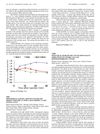
 Human prostate cells produce more WISP1/CCN4 when there's not enough oxygen.
May 2023 in “MQRInvestigar” A young dog with an enlarged prostate and cysts improved significantly after treatment and surgery.
1 citations
,
September 2010 in “UEF eRepo (University of Eastern Finland)” Androgen receptors help prostate cancer cells grow and resist drugs.
39 citations
,
February 2011 in “The Prostate/The prostate” Some men's prostate tissues have low enzyme levels due to genetic changes, possibly affecting treatment for prostate enlargement.
 May 2011 in “Expert Review of Endocrinology & Metabolism”
 Breast cancer survivors may have a higher risk of falls, tamoxifen could prevent breast cancer and deaths, new guidelines urge caution with prostate cancer therapy, and early balding in men may indicate a higher prostate cancer risk.
52 citations
,
July 1998 in “Urology” Liarozole may be more effective than cyproterone acetate for treating advanced prostate cancer, with better PSA response and survival rates, while maintaining quality of life.
 148 citations
,
April 2009 in “Molecular Pharmaceutics”
148 citations
,
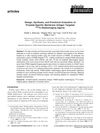
April 2009 in “Molecular Pharmaceutics” Researchers developed promising agents for prostate cancer imaging, with the best one showing high potential for clinical use.
2 citations
,
February 2006 in “Mayo Clinic Proceedings” Finasteride is effective for hair loss and may help prevent prostate cancer without increasing high-grade cancer risk.
 3 citations
,
December 2016 in “Canadian Urological Association journal”
3 citations
,
December 2016 in “Canadian Urological Association journal” Men with more advanced male pattern baldness have a higher risk of prostate cancer and more severe disease.
1 citations
,
October 2008 in “Urology” PSA levels help determine prostate size and guide treatment choices for benign prostatic hyperplasia.
 December 2024 in “Frontiers in Endocrinology”
 Continued research and awareness are needed to improve treatments for androgen-dependent diseases.
6 citations
,
June 2009 in “Journal of Clinical Oncology” 5-α-reductase inhibitors don't prevent prostate cancer but may reduce unnecessary biopsies.
Finasteride significantly reduces prostate cancer risk.
 5 citations
,
January 2010 in “Acta Chirurgica Iugoslavica”
5 citations
,
January 2010 in “Acta Chirurgica Iugoslavica” Higher urethral PSA levels after prostate removal may be linked to more scalp hair loss and more PSA in urethral glands.
 March 2012 in “Faculty Opinions – Post-Publication Peer Review of the Biomedical Literature”
 Hair loss can be an early sign of prostate enlargement.
 30 citations
,
July 2019 in “Endocrinology”
30 citations
,
July 2019 in “Endocrinology” Certain HSD3B1 gene types are linked to worse prostate cancer outcomes and affect treatment response and other health conditions.
 3 citations
,
January 2008 in “Endocrine journal”
3 citations
,
January 2008 in “Endocrine journal” A new mutation linked to partial Androgen Insensitivity Syndrome and prostate cancer was found in a patient unhappy with their female gender assignment.
127 citations
,
March 1999 in “International Journal of Cancer” Urban living may increase prostate cancer risk, while early sexual activity might reduce it.