 April 2014 in “Medical Clinics of North America”
 Accurate diagnosis and tailored treatment are crucial for managing common primary care symptoms.
 January 2014 in “Journal of Investigative Dermatology”
 Proteins like aPKC and PDGF-AA, substances like adenosine and ATP, and adipose-derived stem cells all play important roles in hair growth and health, and could potentially be used to treat hair loss and skin conditions.
 January 2014 in “S. Karger AG eBooks”
 Type 2 diabetes in youth is increasing, with high treatment failure rates and more severe than Type 1; certain drugs can lower lipid levels effectively with varying side effects, and apples may benefit heart health like statins but with fewer side effects.
 September 2013 in “The veterinary nurse”
 Finding the cause of a cat's itchiness requires a careful process and good communication with the owner.

Higher cholesterol levels increase aggressive prostate cancer risk.
 June 2011 in “Journal of clinical and experimental investigations”
 Oral zinc sulphate is an effective and safe treatment for thallium poisoning.
 March 2011 in “Journal of clinical and experimental investigations”
 Thallium poisoning can cause hair loss, skin rashes, and nerve damage, and can be fatal if not correctly diagnosed and treated.
 September 2009 in “Journal of the Dermatology Nurses’ Association”
 Hair loss significantly affects quality of life, wet combing is better than visual inspection for finding head lice, many with oral lichen planus have allergies, and wet wraps with steroids quickly improve itchy skin conditions.
 September 2009 in “Pediatric Dermatology”
 UVB is good for a skin condition in Asian kids, a lotion works for head lice, a drug helps with a skin blistering disorder, a foam reduces itchiness in skin inflammation, birthmarks can be more widespread, and criteria for a neurocutaneous disorder were agreed upon.
Acidic sandy clay damages archaeological hair the most, while dry conditions preserve but make it brittle; silicone oil can help keep the hair flexible.
 January 2009 in “Elsevier eBooks”
 Some plant-based treatments may help with ovary function, insulin resistance, and excess male hormones in PCOS, but more research is needed to confirm their safety and effectiveness.
 January 2009 in “Springer eBooks”
 The document concludes that treating skin conditions should include psychological care and a multidisciplinary approach is essential for effective management.
 January 2006 in “mediaTUM – the media and publications repository of the Technical University Munich (Technical University Munich)”
 Cattle hair isotope analysis can reveal diet and farm system characteristics.
 November 2005 in “Journal of Investigative Dermatology Symposium Proceedings”
 The 2004 hair research meeting presented new findings on hair cell differentiation, genetic factors in hair loss, hair pigmentation, and potential targeted therapies.
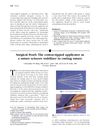 July 2005 in “Journal of The American Academy of Dermatology”
 Using a cotton-tipped applicator as a base for cutting sutures helps make them a uniform length and reduces the risk of skin cuts.
 September 2003 in “Current Paediatrics”
 The document concludes that accurate diagnosis and understanding the type of hair disorder are crucial for treating hair loss in children.
The book details advanced techniques in cosmetic dermatology for experienced surgeons.
Abortion access should be defended on public health grounds, and medical evaluations are crucial in psychiatric cases to avoid misdiagnosis.
Both books are valuable resources in their fields.
The document reviewed various health-related books, focusing on abortion debates, medical conditions, and effective health communication.
 October 1997 in “Baylor University Medical Center Proceedings”
 Obesity in the U.S. is largely influenced by diet and exercise, certain medications can improve heart procedures and hair growth, and major teaching hospitals have better patient outcomes.
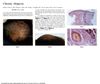 June 1995 in “Archives of Dermatology”
 A woman's hair loss was due to trichotillomania, which is often misdiagnosed and can require different treatments based on age and underlying conditions.
 January 1995 in “Adolescent and pediatric gynecology”
 Mutations in the androgen receptor gene cause different levels of androgen insensitivity, making it hard to create simple tests for the condition.
Eye drops with β-blockers may cause hair loss.
Treatments for acute leukaemia lead to high remission rates, but relapses occur, requiring ongoing advancements in care.
 May 1985 in “Journal of The American Academy of Dermatology”
 The book "Diseases of the Hair and Scalp" has outdated information and confusing content, but may still offer some insights.
 January 1984 in “Pediatric Dermatology”
 The document concludes that some dermatology books are useful for their photos or specific topics, while others have limitations like poor quality images or content.
 April 1974 in “Pediatric Research”
 The Naked (N) trait in mice is linked to lower glycine and tyrosine in hair proteins.
 November 2020 in “Skin Research and Technology”
 Videodermoscopy better identifies female hair loss than clinical diagnosis.
 July 2024 in “Chinese Medical Journal”
 Peripheral blood alive cell treatment is effective and safe for treating hair loss.