 15 citations
,
June 2019 in “Journal of Neuroendocrinology”
15 citations
,
June 2019 in “Journal of Neuroendocrinology” Isoallopregnanolone may be a safe and effective treatment for reducing tics in a mouse model of Tourette syndrome.
 February 2010 in “Journal of The American Academy of Dermatology”
 Women with androgenetic alopecia may have higher blood pressure levels.
Current treatments for androgenetic alopecia have limitations, and personalized approaches and new methods are needed for better results.
 July 2026 in “Zenodo (CERN European Organization for Nuclear Research)”
 Biochanin A is the safest herbal compound for potential hair loss treatment.
 45 citations
,
September 2018 in “International Journal of Women's Dermatology”
45 citations
,
September 2018 in “International Journal of Women's Dermatology” PRP shows promise for hair loss treatment, with three initial monthly injections and maintenance every 3-6 months.
 May 2012 in “Faculty Opinions – Post-Publication Peer Review of the Biomedical Literature”
 Prostaglandin D2, found in higher levels in bald scalps, stops hair growth, suggesting that blocking its receptor could potentially treat hair loss.
April 2023 in “Journal of Investigative Dermatology” AL136131.3 slows hair growth by affecting energy processes in hair loss.
23 citations
,
July 2003 in “Journal of Investigative Dermatology” Genetic testing for hairless gene mutations is crucial to correctly diagnose and treat atrichia with papular lesions.
 April 2026 in “Zenodo (CERN European Organization for Nuclear Research)”
 Post-Exposure Syndromes are persistent conditions caused by past exposures, needing unique interventions.
 8 citations
,
September 2010 in “Journal of Men's Health”
8 citations
,
September 2010 in “Journal of Men's Health” Androgenic Alopecia, a common hair loss condition, can be effectively treated with finasteride and other treatments.
April 2018 in “Cytotherapy” Both treatments promote hair growth safely, but stem cells are slightly more effective.
 24 citations
,
August 2005 in “Health and Quality of Life Outcomes”
24 citations
,
August 2005 in “Health and Quality of Life Outcomes” Women with androgenetic alopecia experience worse physical well-being and quality of life, but similar mental health compared to those without it.
5 citations
,
September 2024 in “Biomolecules and Biomedicine” Total glucosides of paeony may help treat alopecia areata by reducing inflammation and hair loss.
September 2009 in “Hair transplant forum international” Genetic testing can help understand male pattern baldness.
People with early-onset hair loss (AGA) have a higher risk of heart disease, metabolic syndrome, and prostate enlargement.
 2 citations
,
January 2025 in “动物学研究”
2 citations
,
January 2025 in “动物学研究” YAP1 helps fat cell formation by influencing the Hippo pathway.
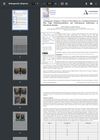
The combined treatment increased hair density in most patients with Androgenetic Alopecia.
 March 2026 in “Zenodo (CERN European Organization for Nuclear Research)”
 Restoring communication in hair follicle networks may treat hair loss and improve sexual dysfunction.
 September 2023 in “Biomedical Optics Express”
 New imaging techniques show testosterone delays hair growth and shrinks follicles in mice, but have limited depth for viewing.
 October 2025 in “Proceedings of the National Academy of Sciences”
 Phospholipids help plant proteins move by regulating receptor interactions.
 January 2016 in “Faculty Opinions – Post-Publication Peer Review of the Biomedical Literature”
 A substance called prostaglandin D2 is found more in bald scalps and it stops hair from growing. Blocking its receptor could potentially treat hair loss.
 3 citations
,
January 2005 in “Biological & Pharmaceutical Bulletin”
3 citations
,
January 2005 in “Biological & Pharmaceutical Bulletin” The peptide GPIGS helps hair cells grow and speeds up hair regrowth in mice.
December 2020 in “Ambiance in Life” Women with hair loss may have higher heart disease risk.
1 citations
,
August 2019 in “Journal of pediatric & adolescent gynecology” A new genetic change causing early stop in the androgen receptor gene was found in a patient with androgen insensitivity syndrome.
 December 2025 in “Zenodo (CERN European Organization for Nuclear Research)”
 Hair loss is caused by mechanical, thermal, and metabolic stress, not just hormones.
 June 2023 in “Skin Research and Technology”
 The supplement with amino acids, iron, selenium, and marine hydrolyzed collagen improved hair growth more than drug treatment alone, with most people tolerating it well.

Topical latanoprost acid at 0.05% concentration improved hair growth in women with androgenetic alopecia.
 19 citations
,
March 1997 in “Journal of Cutaneous Pathology”
19 citations
,
March 1997 in “Journal of Cutaneous Pathology” Alopecia areata involves specific T-cells, unlike androgenetic alopecia.
March 2016 in “Journal of Pharmacological Sciences” Structure Guided Drug Development improved drug design but didn't increase success rates.
 30 citations
,
January 2014 in “Annals of Dermatology”
30 citations
,
January 2014 in “Annals of Dermatology” Scalp dermatoscopy helps diagnose and monitor hair loss severity.