 March 2026 in “Zenodo (CERN European Organization for Nuclear Research)”
 The "Danti Original Source" method can reverse androgenetic alopecia.
June 2026 in “Journal of Investigative Dermatology” Retinoic acids temporarily change skin stem cells to a slower cycle and more differentiated state.
 4 citations
,
January 2022 in “Dermatologic Therapy”
4 citations
,
January 2022 in “Dermatologic Therapy” Tofacitinib was found to be a safe and effective treatment for hair regrowth in patients with alopecia areata.
The 7.5% talok and 2% pare leaf extract hair tonic effectively promotes hair growth, similar to minoxidil.
1 citations
,
January 2024 in “Pharmaceuticals” A new carrier improves skin delivery of tofacitinib for treating inflammatory skin diseases.
![Discovery of (2S)-N-(6-Cyano-5-(Trifluoromethyl)Pyridin-3-Yl)-3-(6-(4-Cyanophenyl)-3,6-Diazabicyclo[3.1.1]Heptan-3-Yl)-2-Hydroxy-2-Methylpropanamide as a Highly Potent and Selective Topical Androgen Receptor Antagonist for Androgenetic Alopecia Treatment](/images/assets/693e7bf6-2325-4ddc-a20f-3470db9f4516/small/25627.jpg) December 2023 in “Journal of Medicinal Chemistry”
December 2023 in “Journal of Medicinal Chemistry” A new topical treatment for hair loss shows strong hair growth effects with low toxicity.
1 citations
,
February 2012 
 6 citations
,
June 2018 in “PLOS ONE”
6 citations
,
June 2018 in “PLOS ONE” The Alopecia Areata Assessment Tool (ALTO) effectively identifies alopecia areata from other hair loss types but needs more validation.
 15 citations
,
October 2010 in “Archives of Toxicology”
15 citations
,
October 2010 in “Archives of Toxicology” A yeast-based test can detect the steroid methyltestosterone in urine longer than traditional methods.
7 citations
,
November 2006 in “Journal of immunological methods” The method can help diagnose and monitor diabetes by analyzing hair.
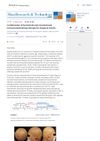 July 2023 in “Skin Research and Technology”
 Baricitinib combined with other immune therapies may safely and effectively treat severe scalp hair loss.
26 citations
,
June 2022 in “Stem Cell Research & Therapy” Tideglusib helps heal wounds in older skin.
May 2025 in “OPAL (Open@LaTrobe) (La Trobe University)” Linoleic acid and magnesium are key in alopecia areata progression, and tofacitinib can help by affecting their pathway.
 January 2008 in “Journal of The American Academy of Dermatology”
 ROS may affect hair loss related to hormones.
November 2025 in “Journal of Medicinal Chemistry” Topical PROTACs show promise for treating skin conditions but need better stability and delivery methods.
1 citations
,
December 2025 in “Journal of the American Academy of Dermatology”  2 citations
,
April 2019 in “Dermatologic Therapy”
2 citations
,
April 2019 in “Dermatologic Therapy” A patient with alopecia had hair regrowth with tofacitinib but developed a skin reaction, choosing to continue the treatment despite the side effect.