 1 citations
,
January 2022 in “Journal of Biosciences and Medicines”
1 citations
,
January 2022 in “Journal of Biosciences and Medicines” Understanding how androgens and their receptors work can lead to improved treatments for skin diseases.
 September 1998 in “Journal of The European Academy of Dermatology and Venereology”
 Phototrichogram helps assess hair loss severity.
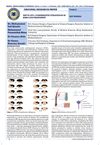 November 2025 in “PARIPEX-INDIAN JOURNAL OF RESEARCH”
 GFC is more effective than PRP for treating hair loss.
January 2004 in “DOAJ (DOAJ: Directory of Open Access Journals)” Finasteride is a safe and effective treatment for male hair loss.
 1 citations
,
July 2024 in “Indian Journal of Case Reports”
1 citations
,
July 2024 in “Indian Journal of Case Reports” GAPO syndrome causes growth issues, hair loss, missing teeth, and vision problems.
 32 citations
,
July 2020 in “Journal of The American Academy of Dermatology”
32 citations
,
July 2020 in “Journal of The American Academy of Dermatology” AGA linked to worse COVID-19 outcomes in men.
February 2026 in “JAAD International”  July 2010 in “Hair transplant forum international”
 A new group called the Asian Association of Hair Restoration Surgeons (AAHRS) has been created.
 November 2023 in “Translational Medicine Communications”
 Derinat may improve hair growth and quality of life in hair loss patients by reducing oxidative stress.
 41 citations
,
January 2007 in “Journal of Korean Medical Science”
41 citations
,
January 2007 in “Journal of Korean Medical Science” Minoxidil and ATRA together boost hair growth more effectively than minoxidil alone.
 January 2022 in “Clinical Cases in Dermatology”
 Androgenetic alopecia, a common hair loss condition, can be treated with topical minoxidil, oral finasteride, or oral spironolactone, and new treatments like platelet-rich plasma, low-level laser therapy, and janus-kinase inhibitors are being explored.

There are many treatments for common hair loss, but more trials are needed to decide which are best.
 2 citations
,
January 2018 in “Journal of clinical & experimental dermatology research”
2 citations
,
January 2018 in “Journal of clinical & experimental dermatology research” Both fat-derived stem cells and platelet-rich plasma are effective and safe for hair loss, but stem cells give better results with more side effects.
 37 citations
,
January 2005 in “Dermatology Online Journal”
37 citations
,
January 2005 in “Dermatology Online Journal” Women under 55 with hair loss (AGA) may have a higher risk of heart disease (CAD).
10 citations
,
January 1995 in “Dermatology” Dermatologists should consider congenital syndromes like TRPS in young adults with early hair loss.
 6 citations
,
January 2015 in “Journal of The European Academy of Dermatology and Venereology”
6 citations
,
January 2015 in “Journal of The European Academy of Dermatology and Venereology” Different hair loss types need accurate diagnosis for proper treatment.
44 citations
,
May 2023 in “MedComm” PROTAC technology shows promise for cancer treatment but needs more effective E3 ligase recruiters.
December 2024 in “Benha Journal of Applied Sciences” Early intervention and continuous treatment are key for managing hereditary hair loss effectively.
1 citations
,
January 2015 in “Journal of Dermatology and Venereology” Early hair loss may predict heart disease.
 March 2026 in “Dermatology Online Journal”
 Androgenetic alopecia is linked to higher cholesterol in both sexes and obesity in women.
 July 2023 in “Dermatology practical & conceptual”
 The machine learning model effectively assesses the severity of hair loss and could help dermatologists with treatment decisions.
 September 2024 in “British journal of surgery”
 Autologous stem cell therapy may effectively increase hair density in Androgenetic Alopecia.
 2 citations
,
January 2005
2 citations
,
January 2005 Men with a certain type of hair loss (vertex type AGA) may have higher levels of bad fats (triglycerides) and lower levels of good cholesterol (HDL), suggesting they could be at risk for high fat levels in the blood (hyperlipidemia).
 May 2025 in “Anadolu Kliniği Tıp Bilimleri Dergisi”
 Gene variations may increase oxidative stress in male pattern baldness.
 24 citations
,
August 2016 in “JAMA Facial Plastic Surgery”
24 citations
,
August 2016 in “JAMA Facial Plastic Surgery” Hair transplants make people look more attractive, successful, approachable, and younger.
October 2024 in “Cosmetics” ATG effectively reduces hair frizz without damaging hair strength.

Standardized PRP therapy can improve treatment for hair loss.
 December 2023 in “Benha Journal of Applied Sciences”
 Men with male pattern baldness have higher blood sugar, bad cholesterol, and ZAG protein levels than healthy men.
 November 2025 in “Clinical Cosmetic and Investigational Dermatology”
 Immune cells and plasma proteins are linked to hair loss, suggesting new treatment options.
 June 2025 in “Stem Cell Research & Therapy”
 Isoproterenol may help treat hair loss by activating hair follicle stem cells.