 4 citations
,
December 2020 in “Scientific Reports”
4 citations
,
December 2020 in “Scientific Reports” The plant extract mixture improves skin health by reducing inflammation, boosting collagen, and supporting anti-aging.
 336 citations
,
August 2015 in “European Journal of Epidemiology”
336 citations
,
August 2015 in “European Journal of Epidemiology” The Rotterdam Study found risk factors for elderly diseases, links between lifestyle and genetics with health conditions, and aimed to explore new areas like DNA methylation and sensory input effects on brain function.

New methods efficiently isolate dermal papilla cells from hair follicles, preserving their characteristics better than traditional methods.
 January 2022 in “Дерматологія та венерологія”
 Frontal fibrosing alopecia causes hair loss along the frontal hairline, mainly in postmenopausal women, and needs better treatments.
 September 2021 in “CRC Press eBooks”
 Lichen planopilaris causes permanent hair loss and scarring due to damage to hair follicles and can be mistaken for other hair loss conditions.
Treat active lichen planopilaris early to prevent permanent hair loss.
29 citations
,
March 2016 in “Dermatologic therapy” Platelet-rich plasma may successfully treat lichen planopillaris, as shown by one patient's symptom regression.
1 citations
,
December 2016 in “Rossijskij žurnal kožnyh i veneričeskih boleznej” A new treatment using unactivated platelet leukocyte autoplasma cured 80% of non-scarring alopecia patients.
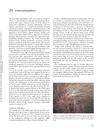 April 2012 in “Informa Healthcare eBooks”
 Lichen planopilaris is a rare, chronic condition causing hair loss, mainly in middle-aged women, and early treatment is important to prevent permanent baldness.
1 citations
,
March 2013 in “Journal of Dermatological Case Reports” A rare skin condition affected only the facial hair of a 46-year-old man.
Early diagnosis and treatment of Lichen Planopilaris are crucial to prevent permanent hair loss.
 90 citations
,
July 2008 in “Dermatologic therapy”
90 citations
,
July 2008 in “Dermatologic therapy” Lichen planopilaris is a chronic, scarring hair loss condition with no definitive cure, requiring accurate diagnosis and treatment to manage symptoms.
January 2022 in “Aesthetic Plastic Surgery” February 2026 in “JEADV Clinical Practice” Lichen planopilaris can cause hair loss on limbs, not just the scalp.
January 2026 in “JPRAS Open” PDLLA scalp injections improved hair regrowth in most patients with non-scarring alopecia.
June 2023 in “Journal of dermatology for physician assistants” Lichen planopilaris should be considered when diagnosing hair loss in people with darker skin as it may be often missed.
July 2022 in “Journal of Investigative Dermatology” Scalp clarifying shampoo can help reduce hair loss and improve hair volume.
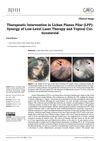 January 2024 in “Brazilian Journal of Hair Health”
 Combining low-level laser therapy with topical corticosteroids effectively improved Lichen Planopilaris symptoms.
 16 citations
,
December 2017 in “Journal of The American Academy of Dermatology”
16 citations
,
December 2017 in “Journal of The American Academy of Dermatology” Low-level laser therapy may reduce symptoms and increase hair thickness in lichen planopilaris patients.
 160 citations
,
March 2009 in “Seminars in Cutaneous Medicine and Surgery”
160 citations
,
March 2009 in “Seminars in Cutaneous Medicine and Surgery” New insights show Lichen Planopilaris is a rare, scarring hair loss condition, hard to treat, mainly affecting middle-aged women, and significantly impacts mental health.
3 citations
,
January 2016 in “Dermatology online journal” Some people with lichen planus pigmentosus might later develop frontal fibrosing alopecia.
18 citations
,
May 2006 in “Journal of Cutaneous Medicine and Surgery” Linear lichen planopilaris can affect the trunk, not just the face.
Poly-L-lactic acid injections can cause hair loss and skin issues.
6 citations
,
December 2021 in “Journal of Clinical Medicine” LiPADI is a useful tool for monitoring the severity and treatment of lichen planus.
 9 citations
,
September 2016 in “Dermatologic Surgery”
9 citations
,
September 2016 in “Dermatologic Surgery” New LPP subtype affects vellus hairs, mimics AGA, and needs biopsy for diagnosis.
 November 2018 in “Biomedical Journal of Scientific and Technical Research”
 Long-Acting Platelet Rich Plasma therapy can effectively reduce hair shedding, thicken hair, and promote new growth in women with pattern hair loss.
 July 2023 in “Dermatology Practical & Conceptual”
 A positive anagen pull test can help detect active Lichen Planopilaris.
5 citations
,
June 2015 in “The Journal of Dermatology” HTLV-1-associated lichenoid dermatitis (HALD) is linked to an immune response against HTLV-1-infected cells.
 4 citations
,
May 2020 in “Journal of The American Academy of Dermatology”
4 citations
,
May 2020 in “Journal of The American Academy of Dermatology” Cicatricial pattern hair loss is likely advanced common baldness, not a type of lichen planopilaris.
 August 2016 in “Journal of Investigative Dermatology”
 Researchers found a new genetic mutation linked to a hair condition in a Japanese boy.