44 citations
,
February 2017 in “Journal of the American Academy of Dermatology” Lichen planopilaris (LPP) is linked to androgen excess, while frontal fibrosing alopecia (FFA) is linked to androgen deficiency.

Human placental extract effectively and safely improves melasma, ulcers, and alopecia areata.
 February 2026 in “International Journal of Molecular Sciences”
 PDLLA filler can improve hair thickness and shine by reducing age-related hair decline.
 November 2024 in “Deleted Journal”
 Platelet-rich plasma injections can help treat hair loss in lupus patients.
 1 citations
,
January 2022 in “Open Access Macedonian Journal of Medical Sciences”
1 citations
,
January 2022 in “Open Access Macedonian Journal of Medical Sciences” Both platelet-rich plasma and low-level laser therapy effectively treat hair loss with minimal side effects and good cost-benefit ratio.
 3 citations
,
June 2022 in “Dermatology and therapy”
3 citations
,
June 2022 in “Dermatology and therapy” A new botanical treatment improved hair growth and symptoms in lichen planopilaris patients.
 155 citations
,
June 2009 in “International Journal of Dermatology”
155 citations
,
June 2009 in “International Journal of Dermatology” Lichen planus is a skin condition that can resolve on its own, is linked to hepatitis C, and increases the risk of skin cancer.
 March 2024 in “Case Reports in Dermatology”
 A woman's hair loss was misdiagnosed as alopecia areata but was actually lichen planopilaris, needing immediate and ongoing treatment.
 16 citations
,
June 2015 in “Pediatric dermatology”
16 citations
,
June 2015 in “Pediatric dermatology” Lichen Planopilaris in teens is rare, often misdiagnosed, and responds well to steroids.
 September 2023 in “Bulletin of the Medical Institute of Continuing Education”
 Early and accurate treatment of Lichen Planopilaris is crucial to prevent permanent hair loss in men.
 12 citations
,
June 2020 in “Journal of The American Academy of Dermatology”
12 citations
,
June 2020 in “Journal of The American Academy of Dermatology” Platelet-rich plasma is tolerable for lichen planopilaris and doesn't worsen the condition, but its effectiveness is unclear.
September 2025 in “Indian Journal of Dermatology” A Turkish woman has a hair condition caused by a LIPH gene mutation.
8 citations
,
April 1997 in “Experimental Dermatology” hHbl gene is active in hair shaft cells and some pilomatricomas.
2 citations
,
January 2009 in “Human cell culture” 11 citations
,
February 2011 in “The Journal of Dermatology” Mutations in the hairless gene cause a rare form of permanent hair loss.
 2 citations
,
June 2024 in “Frontiers in Plant Science”
2 citations
,
June 2024 in “Frontiers in Plant Science” LLPS is crucial for RALF signaling, aiding plant growth and stress resilience.
 January 2025 in “Journal of Plastic Reconstructive & Aesthetic Surgery”
 Two L-PRP treatments improve hair density in mild to moderate alopecia.
8 citations
,
January 2011 in “International journal of trichology” Accurate diagnosis of APL is crucial to avoid unnecessary treatments.
 10 citations
,
June 2019 in “Case reports in dermatology”
10 citations
,
June 2019 in “Case reports in dermatology” LALPS causes non-scarring hair loss along the Blaschko line, with unique trichoscopic findings.
 October 2023 in “Facial Plastic Surgery”
 The PHAT technique effectively rejuvenates lips and face.
 19 citations
,
April 2018 in “International Journal of Dermatology”
19 citations
,
April 2018 in “International Journal of Dermatology” People with Lichen Planopilaris are more likely to have autoimmune diseases, especially Systemic Lupus Erythematosus, and less likely to have diabetes and some other common conditions.
 1 citations
,
March 2019 in “KnE life sciences”
1 citations
,
March 2019 in “KnE life sciences” HDPCM treatment healed a baby's congenital skin defect caused by varicella infection.
 50 citations
,
December 2010 in “Dermatologic Surgery”
50 citations
,
December 2010 in “Dermatologic Surgery” Laser treatment can stimulate hair growth for male pattern hair loss.
 6 citations
,
January 2016 in “Skin appendage disorders”
6 citations
,
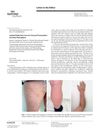
January 2016 in “Skin appendage disorders” A man with rare Lichen Planopilaris lost body hair, not scalp hair, and treatment stopped itching but didn't regrow hair.
253 citations
,
April 2009 in “Journal of Biological Chemistry” p2y5, now called LPA6, is a receptor important for human hair growth.
9 citations
,
September 2018 in “JAAD Case Reports” Lichen planopilaris can be triggered by prolonged scalp traction and can be treated with corticosteroids.
 September 2017 in “The journal of investigative dermatology/Journal of investigative dermatology”
 Scarred skin in lichen planopilaris loses immune cells due to a decrease in a specific protein in skin cells.
December 2023 in “Journal of Asia Pacific Aesthetic Sciences” Using one's own hair stem cells can improve hair density in Asian individuals with hair loss.
 1 citations
,
May 2015 in “Journal of The American Academy of Dermatology”
1 citations
,
May 2015 in “Journal of The American Academy of Dermatology” Lichen planus pigmentosus and fibrosing frontal alopecia in Colombia are likely different stages of the same disease.