29 citations
,
October 2010 in “Journal of Investigative Dermatology” Activating Kras in mouse skin causes excess skin and hair loss.
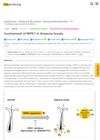
July 2022 in “Journal of Investigative Dermatology” Arg1+ macrophages may play a role in Alopecia Areata, offering new treatment targets.
21 citations
,
December 1994 in “Journal of Investigative Dermatology” 1 citations
,
October 2025 in “Journal of Allergy and Clinical Immunology” A JAK1 variant causes hair loss, skin issues, and thyroid disease, but treatment with a specific inhibitor can help.
107 citations
,
April 2014 in “The Plant cell” The CAP1 gene helps control ammonium levels and is necessary for the proper growth of root hairs in Arabidopsis.
8 citations
,
March 2004 in “Mammalian genome” KAP genes are crucial for hair development and show both shared and unique traits in humans, chimpanzees, and baboons.
 1 citations
,
January 2020 in “Benha Journal of Applied Sciences”
1 citations
,
January 2020 in “Benha Journal of Applied Sciences” Certain gene variations may increase the risk and severity of alopecia areata.
 April 2023 in “The journal of investigative dermatology/Journal of investigative dermatology”
 SETDB1 is essential for controlling DNA methylation, silencing retrotransposons, and maintaining skin cell health, with its absence leading to skin inflammation and hair loss.
86 citations
,
December 2002 in “Tissue Antigens” A specific gene change is linked to severe hair loss.
3 citations
,
October 2024 in “Experimental Dermatology” Higher CRHR1 levels in AA patients lead to increased inflammation.
RIPK1 inhibitors might help prevent alopecia areata.
February 2026 in “The Plant Journal” ADF8 and ADF11 help root hairs grow by responding to hormones and environmental signals.
 18 citations
,
August 2015 in “Biochemical and Biophysical Research Communications”
18 citations
,
August 2015 in “Biochemical and Biophysical Research Communications” XEDAR triggers a specific signaling pathway in cells.
43 citations
,
May 1999 in “Journal of Biological Chemistry” Agouti protein affects melanocortin receptors through competitive antagonism and receptor down-regulation.
1 citations
,
January 2012 The CRABP I gene in cashmere goats is highly conserved but has unique features at specific amino sites.
4 citations
,
October 2003 in “Annales de Génétique” A specific gene mutation causes different hair defects in Indian monilethrix families.
1 citations
,
September 1986 in “Journal of the Forensic Science Society” Hair root sheaths can be used to accurately analyze genetic markers.
 56 citations
,
December 2011 in “The Plant Journal”
56 citations
,
December 2011 in “The Plant Journal” AGD1 is important for root hair development in Arabidopsis, working with phosphoinositide signaling and the actin cytoskeleton.
 41 citations
,
April 2016 in “Journal of experimental botany”
41 citations
,
April 2016 in “Journal of experimental botany” RACB in barley is crucial for cell polarity and nucleus positioning, aiding fungal infection.
 April 2023 in “The journal of investigative dermatology/Journal of investigative dermatology”
 HPV8 causes hair follicle stem cells to grow, leading to skin lesions.
26 citations
,
October 2002 in “Journal of Investigative Dermatology” A specific gene mutation causes congenital hair loss.
70 citations
,
August 2006 in “Cancer Research” AP-1 controls tumor cell type by affecting key signaling pathways.
38 citations
,
February 1988 in “Molecular and Cellular Biology” Only one of the two K16 genes on chromosome 17 makes a functional protein for keratin filaments.
51 citations
,
January 2007 in “The journal of investigative dermatology/Journal of investigative dermatology” Scientists discovered a unique hair protein, KAP24.1, with a special structure, found only in the upper part of hair cuticles.
20 citations
,
October 2005 in “Archives of Dermatological Research”  6 citations
,
October 2014 in “Experimental Dermatology”
6 citations
,
October 2014 in “Experimental Dermatology” Prostaglandins and the enzyme AKR1C3 could play a role in skin cancer and hair loss, and further research is needed to understand these mechanisms.
 April 2023 in “Journal of Investigative Dermatology”
 Krox20 (Egr2) is important for the function of epithelial stem cells.
15 citations
,
June 2012 in “British Journal of Dermatology” A new mutation in the KRT86 gene causes a hair disorder with variable expression.
717 citations
,
June 2010 in “Nature” Alopecia areata involves both innate and adaptive immunity, with specific genes linked to the disease.
August 2020 in “bioRxiv (Cold Spring Harbor Laboratory)” Normal cells outcompete and remove mutant cells in the pancreas with the help of the EphA2 receptor.