4 citations
,
January 2023 in “Andrology” The testes produce sperm and hormones essential for male development.
3 citations
,
May 2025 in “Journal of Ovarian Research” m6A deregulation plays a key role in PCOS and could lead to new treatments.
3 citations
,
May 2025 in “Clinical Endocrinology” Evaluate and manage androgen excess in women with a systematic approach, considering both physical and psychological impacts.
 3 citations
,
October 2022 in “Frontiers in Surgery”
3 citations
,
October 2022 in “Frontiers in Surgery” Proteomics combined with other technologies can lead to a better understanding of skin diseases.
 3 citations
,
September 2021 in “International Journal of Molecular Sciences”
3 citations
,
September 2021 in “International Journal of Molecular Sciences” Androgens and a high-fat diet may increase the risk of severe COVID-19 in women with PCOS by upregulating certain proteins in the heart and kidneys.
2 citations
,
February 2025 in “Advanced Healthcare Materials” Perhexiline can effectively target ovarian cancer cells left after treatment.
2 citations
,
October 2023 in “Cancer Reports” Mitochondrial features can predict colorectal cancer outcomes and improve immunotherapy.
1 citations
,
December 2024 in “BMC Genomics” Nuptial pads in Chinese brown frogs change seasonally due to specific gene activity.
1 citations
,
December 2022 in “Archives of Dermatological Research” SVF injections improve hair growth and reduce hair loss in people with androgenic alopecia.
1 citations
,
November 2011 in “British journal of pharmacology” Enzymes are classified into six types and are essential for many biological processes, with only a few targeted by drugs.
 June 2026 in “Oriental Journal Of Chemistry”
 Steroid 12 shows promise as a targeted treatment for prostate cancer by selectively reducing cell growth and increasing cell death.
February 2026 in “Toxicology Letters” MK-0773 is a moderate inhibitor of the SRD5A2 enzyme.
January 2026 in “International Journal of Molecular Sciences” Lifestyle changes and environmental strategies can help address declining testosterone levels.
November 2025 in “Preprints.org” Monosaccharide composition in plant polysaccharides significantly affects their biological activities and therapeutic potential.
November 2025 in “European Journal of Endocrinology” Hair steroid profiling is a feasible, non-invasive alternative to serum analysis for assessing hormone levels and metabolism.
 August 2025 in “International Journal of Molecular Sciences”
 Broccoli sprout extract may help regrow hair by improving hormone metabolism.
 February 2025 in “Jurnal Kesehatan Bakti Tunas Husada Jurnal Ilmu-ilmu Keperawatan Analis Kesehatan dan Farmasi”
 Nanostructured Lipid Carriers can improve curcumin's effectiveness for treating hair loss.
 June 2024 in “Computational and Structural Biotechnology Journal”
 Multi-omics techniques help understand the molecular causes of androgenetic alopecia.

New treatments for hair loss should target eight main causes and use specific plant compounds and peptides for better results.
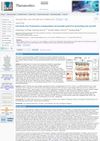 January 2023 in “Theranostics”
 A patch with curcumin-zinc can improve hair growth and health by delivering beneficial particles to the skin, increasing hair follicles, and reversing effects of a hair loss hormone.
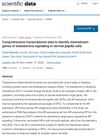 November 2022 in “Scientific Data”
 The research identified genes and non-coding RNAs in cells that could be affected by testosterone, which may help understand hair loss and prostate cancer.
December 2022 in “International Journal of Molecular Sciences” Afatinib, neratinib, and zanubrutinib could be effective against KRASG12C-mutant tumors.
18 citations
,
January 2015 in “Experimental Dermatology” New mutations in KRT83 and KRT86 are linked to the hair disorder monilethrix.
July 2026 in “bioRxiv (Cold Spring Harbor Laboratory)” Acne starts with a cell change in skin, leading to inflammation and blocked pores.
Activating CB1 can reduce keratin levels, potentially helping manage psoriasis and aid wound healing.
April 2021 in “The journal of investigative dermatology/Journal of investigative dermatology” CTCF protein is essential for skin and hair follicle development in mice.
 12 citations
,
June 2019 in “Psychoneuroendocrinology”
12 citations
,
June 2019 in “Psychoneuroendocrinology” Allopregnanolone is needed for certain brain processing issues caused by D1 dopamine receptor activation.
November 2025 in “Journal of Investigative Dermatology” Chronic refractory alopecia areata has more skin-resident memory T cells, and JAK inhibitors may help reduce them.
 September 2021 in “International Journal of Biomedicine”
 Certain gene variations are linked to a higher risk of severe acne, suggesting a genetic influence on the condition.
 19 citations
,
May 2012 in “The journal of investigative dermatology/Journal of investigative dermatology”
19 citations
,
May 2012 in “The journal of investigative dermatology/Journal of investigative dermatology” The type 3 IP3 receptor is important for controlling hair loss and growth.