 November 2023 in “Cell Proliferation”
 A protein from fat-derived stem cells, DKK1, is linked to hair loss and blocking it may help treat alopecia areata.

A new AIRE gene mutation causes rare autoimmune symptoms in a Lebanese boy.
Mutations in the hairless protein gene cause hair loss.
 April 2023 in “The journal of investigative dermatology/Journal of investigative dermatology”
 Removing UBE2N from skin cells causes inflammation and immune response, which can be lessened with specific inhibitors.
 92 citations
,
January 2012 in “International Journal of Biological Sciences”
92 citations
,
January 2012 in “International Journal of Biological Sciences” The document introduced a new naming system for keratin-associated proteins to improve clarity and communication across species.
 60 citations
,
August 2008 in “Human molecular genetics online/Human molecular genetics”
60 citations
,
August 2008 in “Human molecular genetics online/Human molecular genetics” A position effect on the TRPS1 gene causes excessive hair growth in humans and mice.
10 citations
,
May 2017 in “Wound Repair and Regeneration” Overexpression of ALK2 in hair follicles disrupts skin development and slows wound healing.
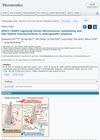 May 2026 in “Theranostics”
 Targeting DKK3–CKAP4 can help reverse hair loss in androgenetic alopecia.
March 2026 in “Experimental Dermatology” The new model helps understand and develop treatments for genetic skin disorders like AEC.
88 citations
,
August 2014 in “PLOS genetics” Syndecan-1 is essential for maintaining skin fat and preventing cold stress.
20 citations
,
October 2017 in “Stem Cell Reports” Alkaline Ceramidase 1 prevents early hair loss in mice by keeping hair follicle stem cells balanced.
3 citations
,
August 2018 in “Journal of Structural Biology” KAP8.1 protein is crucial for hair structure and interacts with keratin 85.
4 citations
,
May 2022 in “Genes & Diseases” 53 citations
,
June 2005 in “The journal of investigative dermatology/Journal of investigative dermatology” KAP genes show significant genetic variability, but its impact on hair traits is unclear.
April 2016 in “The journal of investigative dermatology/Journal of investigative dermatology” The ALADIN score can predict how well patients with alopecia areata will respond to JAK inhibitor treatments.
1 citations
,
April 2023 in “International journal of molecular sciences” Certain skin proteins can form anchoring structures without the protein AMACO.
September 2025 in “Asian journal of pediatric dermatology.” Abrocitinib helped a 14-year-old girl with severe alopecia areata regrow her hair significantly.
114 citations
,
July 2003 in “PubMed” Lack of KSR1 stops certain skin tumors in mice.
July 2026 in “Pediatric Allergy and Immunology” 66 citations
,
May 2002 in “The Plant Journal” The IRE gene is important for normal root hair growth in Arabidopsis plants.
 April 2019 in “Journal of Investigative Dermatology”
 Researchers fixed gene mutations causing a skin disease in stem cells, which then improved skin grafts in mice.
January 2025 in “Journal of Bioresource Management” ATR is crucial for DNA repair and cell survival after UV exposure.
 April 2019 in “Journal of Investigative Dermatology”
 Non-coding RNA boosts retinoic acid production and signaling, aiding regeneration.
 February 2020 in “Definitions”
 KRT72 gene helps form hair.
 42 citations
,
July 2007 in “Journal of Biological Chemistry”
42 citations
,
July 2007 in “Journal of Biological Chemistry” Most Hairless gene mutations reduce its ability to work with the Vitamin D Receptor, which might explain a certain type of hair loss.
139 citations
,
September 2001 in “The journal of investigative dermatology/Journal of investigative dermatology” Mutations in the Vitamin D receptor gene can cause hair loss similar to mutations in the Hairless gene.
53 citations
,
October 2003 in “Genetics” The mK6irs1/Krt2-6g gene likely causes wavy hair in mice.
22 citations
,
April 2010 in “Journal of Cellular Biochemistry” Certain mutations in the hairless protein disrupt its ability to regulate the hair cycle.
 2 citations
,
May 2021 in “Case reports in dermatological medicine”
2 citations
,
May 2021 in “Case reports in dermatological medicine” A 28-year-old man with type 1 diabetes had skin and hair issues due to zinc deficiency.
40 citations
,
May 2010 in “American Journal of Clinical Dermatology” AKN might be a skin marker for metabolic syndrome.