
Dual TCR Treg cells are common in various mouse tissues and show diverse characteristics.
Upadacitinib effectively treated a patient with multiple inflammatory conditions.
305 citations
,
March 2008 in “AJP Endocrinology and Metabolism” SSAT is a key enzyme affecting cell growth and metabolism, with potential but risky use in disease treatment.
 February 2025 in “International Journal of Molecular Sciences”
 RIPK1 inhibitors may help prevent alopecia areata by reducing immune cell activity.
 19 citations
,
September 2011 in “Journal of Dermatological Science”
19 citations
,
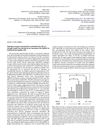
September 2011 in “Journal of Dermatological Science” TGF-β1 increases androgen receptor activity in hair loss, but Hic-5/ARA55 can counter this effect.
11 citations
,
March 2002 in “Pediatric Dermatology” Temporal triangular alopecia is a non-scarring hair loss seen in some Asian children.
21 citations
,
February 2006 in “Clinical Cancer Research” Mitf plays a key role in melanoma progression and is linked to disease stage.
June 2025 in “OPAL (Open@LaTrobe) (La Trobe University)” Anti-Ku-positive patients often have muscle weakness and autophagy plays a key role in their condition.
July 2024 in “Journal of Investigative Dermatology” CD8+ T cells expand significantly in alopecia areata, suggesting new treatment targets.
 1 citations
,
November 1987 in “Journal of The American Academy of Dermatology”
1 citations
,
November 1987 in “Journal of The American Academy of Dermatology” Isotretinoin can raise CPK levels, so patients need monitoring, especially before surgery.
 August 2019 in “Journal of Investigative Dermatology”
 The study found that tight junctions reach the top layer of the skin's stratum granulosum, not just the second top layer as previously thought.
 137 citations
,
October 2009 in “The American journal of pathology”
137 citations
,
October 2009 in “The American journal of pathology” Matriptase is crucial for keeping epithelial tissues healthy and functioning properly.
 17 citations
,
August 2012 in “Archives of Pharmacal Research”
17 citations
,
August 2012 in “Archives of Pharmacal Research” Acankoreoside J from Acanthopanax koreanum may help promote hair growth.
 January 2001 in “Biomedical Research”
 THH and PAD type III appear together early in hair growth, but deiminated THH appears later, suggesting another factor is involved.
 June 2017 in “Journal of the American Academy of Dermatology”
 Tofacitinib is effective and safe for treating severe alopecia areata and related conditions.
 192 citations
,
January 2015 in “Journal of the American Academy of Dermatology”
192 citations
,
January 2015 in “Journal of the American Academy of Dermatology” Targeted cancer therapies often cause serious skin problems that need careful management.
111 citations
,
April 2000 in “British journal of dermatology/British journal of dermatology, Supplement” Thyroid hormone receptor β1 is found in human hair follicles and helps them survive.
12 citations
,
October 2006 Matriptase imbalance contributes to cancer development and spread.
 1 citations
,
May 2021 in “Annals of the rheumatic diseases”
1 citations
,
May 2021 in “Annals of the rheumatic diseases” Tofacitinib is a promising treatment for children with rheumatic diseases.
 555 citations
,
July 2001 in “Genes & Development”
555 citations
,
July 2001 in “Genes & Development” Tcf3 and Lef1 are key in deciding skin stem cell roles.
June 2023 in “Journal of Biological Chemistry” Get3d protein helps maintain photosynthesis in plants and photosynthetic bacteria.
Combining ATRA with TPO-RA effectively stabilizes platelet counts in ITP patients.
57 citations
,
July 2000 in “Toxicology Letters” K6/ODC transgenic mice are effective for quickly identifying cancer-causing chemicals.
8 citations
,
August 2016 in “Journal of the European Academy of Dermatology and Venereology” Oral tacrolimus helped a rheumatoid arthritis patient regrow hair lost due to alopecia areata.
 April 2023 in “The journal of investigative dermatology/Journal of investigative dermatology”
 Lack of TG2 increases fat storage and lowers cell cleanup in skin oil cells.
March 2026 in “International Journal of Cosmetic Science” Pal-KCV peptide strengthens hair and reduces breakage by up to 52%.
Low levels of tenuazonic acid can severely damage vital organs.
 April 2016 in “Journal of the American Academy of Dermatology”
 Tofacitinib helped a person with total body hair loss grow hair again without bad side effects.
November 2023 in “Bioengineering” AMT® is effective and safe for early-stage knee osteoarthritis.
65 citations
,
November 2013 in “The EMBO Journal” HDAC1 is crucial for skin development and preventing tumors.