Search
for
Sort by
Research
30 / 1000+ results
research Topical ALA-Photodynamic Therapy for Acne Can Induce Apoptosis of Sebocytes and Down-regulate Their TLR-2 and TLR-4 Expression
ALA-photodynamic therapy helps reduce acne by causing acne cell death and lowering certain skin protein levels.

research Carbon‐dioxide laser‐associated PDT treatment of folliculitis decalvans
CO2 laser-associated PDT effectively treated therapy-resistant folliculitis decalvans.

research Dissecting cellulitis (Perifolliculitis Capitis Abscedens et Suffodiens): a comprehensive review focusing on new treatments and findings of the last decade with commentary comparing the therapies and causes of dissecting cellulitis to hidradenitis suppura
New treatments for Dissecting cellulitis show promise, but more research is needed to understand the disease and establish a standard treatment plan.

research Straight hair associated with interferon-alfa plus ribavirin in hepatitis C infection
ALA-PDT is effective and safe for chronic X-ray dermatitis, providing complete or partial remission.

research Treatment of multiple scalp basal cell carcinomas by photodynamic therapy
Photodynamic therapy was effective in treating multiple scalp basal cell carcinomas with minimal side effects and good cosmetic results.
research Mechanistic insights into 5-aminolevulinic acid photodynamic therapy for acne vulgaris: targeting lipogenesis via the OLR1-Wnt/β-catenin pathway
5-aminolevulinic acid therapy reduces acne by decreasing fat production in skin cells.

research Treatment of androgenetic alopecia with 5-aminolevulinic acid photodynamic therapy: A randomized, placebo-controlled, split-scalp study of efficacy and safety
Using 5-aminolevulinic acid photodynamic therapy for hair loss didn't increase hair growth but slightly reduced scalp oiliness, and it was safe with mild side effects.

research Erosive Pustular Dermatosis: Delving into Etiopathogenesis and Management
Topical corticosteroids are the main treatment for Erosive Pustular Dermatosis, but recurrence is common after stopping treatment.

research 6. Phototherapy, Photomedicine, and Pigmentary Disorders
Stopping certain drugs can improve skin conditions, arsenicosis affects over half of a Bangladeshi village, males are more vulnerable, and certain treatments are effective for warts, acne, and psoriasis. Smoking and drinking are linked to psoriasis in men, a cream helps with a type of skin cancer, and low iron levels don't directly cause chronic hair loss in women.
research The Use of Photodynamic Therapy for Treatment of Acne Vulgaris
Photodynamic Therapy is an effective treatment for mild to severe acne.

research Combination of photodynamic therapy with 5‐aminolaevulinic acid and microneedling in the treatment of alopecia areata resistant to conventional therapies: our experience with 41 patients
Combining light therapy, acid, and microneedling improves hair regrowth in stubborn hair loss cases.
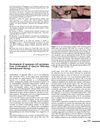
research Development of squamous cell carcinoma from erythroplasia of Queyrat following photodynamic therapy
Photodynamic therapy may not work for erythroplasia of Queyrat and could lead to invasive squamous cell carcinoma.
research Successful in situ 5-aminolevulinic acid photodynamic therapy in a 53-year-old female with cutaneous squamous cell carcinoma
Photodynamic therapy successfully treated skin cancer in a 53-year-old woman.
research Surgery combined with photodynamic therapy for the case of perifolliculitis capitis abscedens et suffodiens: A case report
Combining surgery and photodynamic therapy effectively treated a rare scalp condition when other treatments failed.
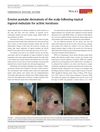
research Erosive pustular dermatosis of the scalp following topical ingenol mebutate for actinic keratoses
Two elderly men developed scalp inflammation after using a gel for skin lesions, which healed with treatment except for some permanent hair loss.
research 14 Dermatological drugs, topical agents, and cosmetics
Dermatological treatments can have significant side effects, including allergic reactions, sexual dysfunction, and increased cancer risk.

research Liposomes in dermatology today
Liposomes improve drug delivery and reduce skin irritation in dermatology.

research Poster session
Lasers are effective and safe for various medical treatments, including cancer, wound healing, and skin conditions.

research Plain language summaries
Doctors need more training in skin cancer screening, a new treatment is effective for a skin condition, better diagnosis methods for skin cancer are available, hair loss in women may be linked to hormones and cholesterol, certain skin care products might cause hair loss, babies' skin gets weaker after birth, and a gene mutation might be linked to eczema.

research Protoporphyrin IX: the Good, the Bad, and the Ugly
Protoporphyrin IX is useful in cancer treatment but can cause health problems if not properly regulated.

research Lessons Learned from the First Decade of Laser-Assisted Drug Delivery
Laser-assisted drug delivery has shown improved treatment outcomes for skin conditions and has potential to reduce side effects and treatment time.
research Combination of tacalcitol ointment and photodynamic therapy for the treatment of follicular mucinosis of the scalp
Using tacalcitol ointment with photodynamic therapy may effectively treat follicular mucinosis with scalp hair loss.

research Laser Hair Reduction and Removal
Laser hair removal is effective for dark hair but needs improvement for nonpigmented or fine hairs.

research Effects of Visible Light on the Skin†
Visible light can damage skin and most sunscreens don't block it well; more research is needed on its effects and protection methods.

research Field Cancerization: From Molecular Basis to Selective Field-Directed Management of Actinic Keratosis
Photodynamic therapy is the preferred treatment for skin precancer due to its effectiveness and safety.

research Treatments for Dissecting Cellulitis of the Scalp: A Systematic Review and Treatment Algorithm
More research is needed to find the best treatment for dissecting cellulitis of the scalp.

research Emerging Therapies for Acne Vulgaris
New acne treatments show promise as alternatives to traditional therapies.
research Nonpigmented hair removal using photodynamic therapy in animal model
Photodynamic therapy can remove nonpigmented hair in mice and might work for humans.

research Therapies
The document concludes that low-dose acne treatment is most suitable for moderate acne, with high patient satisfaction and low relapse rates.