8 citations
,
August 2024 in “Clinical and Experimental Dermatology” A comprehensive scoring system for alopecia areata severity is needed.
March 2026 in “The Journal of Dermatology” Ritlecitinib is cost-effective for severe alopecia areata in Japan.
October 2023 in “The Open Dermatology Journal” Baricitinib is effective for severe alopecia areata with manageable side effects, mainly upper respiratory infections.
 July 2022 in “Al-Mağallaẗ al-ʻirāqiyyaẗ li-l-ṣaydalaẗ”
 People with Alopecia Areata often have lower zinc levels, and more hair loss is linked to even lower zinc levels.
Higher disease activity in systemic lupus erythematosus is strongly linked to more internal organ damage.
July 2023 in “SKIN The Journal of Cutaneous Medicine” Continued ritlecitinib treatment can improve hair regrowth in some alopecia areata patients who initially don't respond.
January 2026 in “Journal of the Egyptian Womenʼs Dermatologic Society” High levels of HSP70 and IL-15 are linked to more severe alopecia areata.
April 2025 in “Journal of Oncology Pharmacy Practice” The scalp lotion helped increase hair thickness in cancer patients undergoing chemotherapy.
 November 2023 in “Research Portal Denmark”
 Baricitinib shows promise for severe alopecia areata but isn't a cure and has side effects.
2 citations
,
January 2012 in “Journal of Clinical & Experimental Dermatology Research” Fexofenadine reduces discomfort but doesn't significantly improve hair regrowth in Alopecia Areata treatment.
 April 2025 in “Egyptian journal of Immunology”
 Calprotectin levels are higher in alopecia areata patients, indicating systemic inflammation.
 April 2025 in “Medical Journal of Babylon”
 Copeptin and cortisol levels are higher in alopecia areata patients, suggesting they could help diagnose and manage the condition.
6 citations
,
March 2021 in “Journal of the American Academy of Dermatology” The Brigham Eyelash Tool for Alopecia (BELA) is a reliable way to measure eyelash loss in alopecia areata patients.
July 2026 in “Dermatology and Therapy” Baricitinib and ritlecitinib are both effective and safe for treating severe alopecia areata.
 June 2026 in “Journal of health economics and outcomes research”
 Ritlecitinib is more effective and cheaper than baricitinib for treating severe alopecia areata.
 October 2024 in “Journal of the European Academy of Dermatology and Venereology”
 Ritlecitinib and baricitinib are similarly effective for hair regrowth in severe alopecia areata.
14 citations
,
January 2025 in “Journal of Dermatological Treatment” Baricitinib is effective and safe for treating severe alopecia areata, promoting significant hair regrowth.
 June 2024 in “JEADV Clinical Practice”
 Severe alopecia areata patients have a low chance of spontaneous hair regrowth.
 November 2025 in “Turkish Journal of Dermatology”
 Both baricitinib and tofacitinib effectively reduce alopecia areata severity, with tofacitinib showing more improvement over longer use.
3 citations
,
February 2025 in “Journal of Dermatological Treatment” Hair regrowth in Alopecia Areata patients leads to increased satisfaction and reduced stress.
 November 2025 in “SKIN The Journal of Cutaneous Medicine”
 Baricitinib helps regrow scalp, eyebrow, and eyelash hair in teens with severe alopecia areata.
 June 2024 in “International Journal of Pharmaceutical Quality Assurance”
 The method accurately and quickly measures silodosin and dutasteride in mixtures.
 October 2013 in “Journal of the American College of Cardiology”
 Higher aldosterone levels in urine are linked to a nondipper blood pressure pattern in healthy people.
 November 2023 in “El-Minia Medical Bulletin”
 Sinclair grading effectively identifies female androgenic alopecia patterns, with Grade III most common.
April 2022 in “Journal of evolution of medical and dental sciences” Intralesional triamcinolone acetonide is more effective but has a higher relapse rate than platelet-rich plasma for treating alopecia areata.
October 2025 in “The Egyptian Journal of Hospital Medicine” Lower adiponectin and higher leptin levels may predict hair loss in alopecia areata.
 January 2023 in “Journal of The American Academy of Dermatology”
 Baricitinib helped most teenagers with severe hair loss regrow hair and had mild side effects.
 December 2023 in “Journal of Ayub Medical College Abbottabad”
 Ritlecitinib effectively treats alopecia areata in patients 12 and older with fewer side effects.
June 2020 in “Acta medica Philippina” Topical adenosine may effectively and safely treat hair loss.
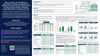 November 2025 in “SKIN The Journal of Cutaneous Medicine”
 Upadacitinib effectively treats severe alopecia areata and is safe.